Cricket Explained
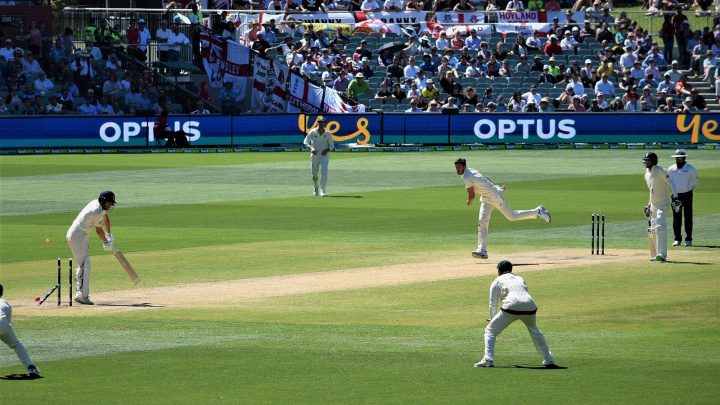
Every Way of Getting Out in Cricket Explained
Bowled, caught, LBW, run out, stumped and the rare ones: every way a batter can be dismissed under the Laws of Cricket, with the current Law numbers.
How cricket's extras work: front-foot and other no-balls, free hits, wides, byes, leg byes and five-run penalties, and how each is recorded.
Why rain-hit limited-overs matches need a method, how DLS uses overs and wickets as "resources," and how par scores and revised targets are set.
How cricket's Decision Review System works: player reviews, how many each team gets, ball-tracking, edge detection, umpire's call and the third umpire.
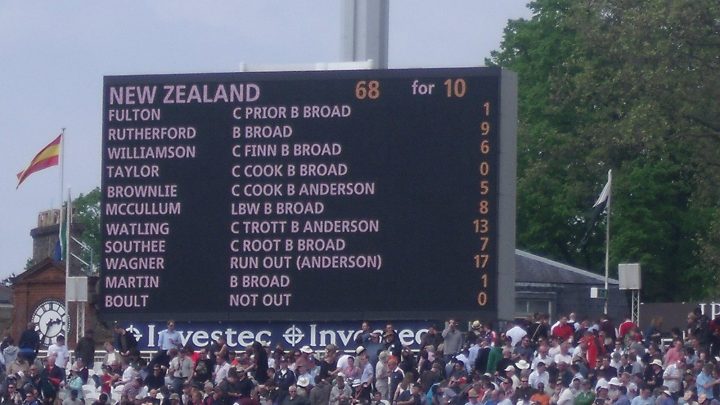
Learn to read a cricket scorecard: the batting card, dismissal notation, extras, fall of wickets, bowling figures, economy and Test match summaries.
Leg before wicket, step by step: where the ball lands, where it hits the pad, whether it would hit the stumps, the no-shot exception and how DRS reviews work.
Test, ODI or T20? How cricket's three international formats differ in length, overs, innings, fielding restrictions and tactics, with a side-by-side table.
A plain-English guide to cricket: two teams of 11, innings and overs, how runs and boundaries are scored, the main ways to get out, and who does what.