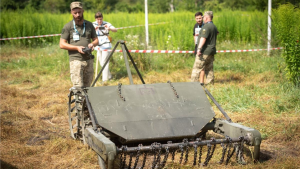



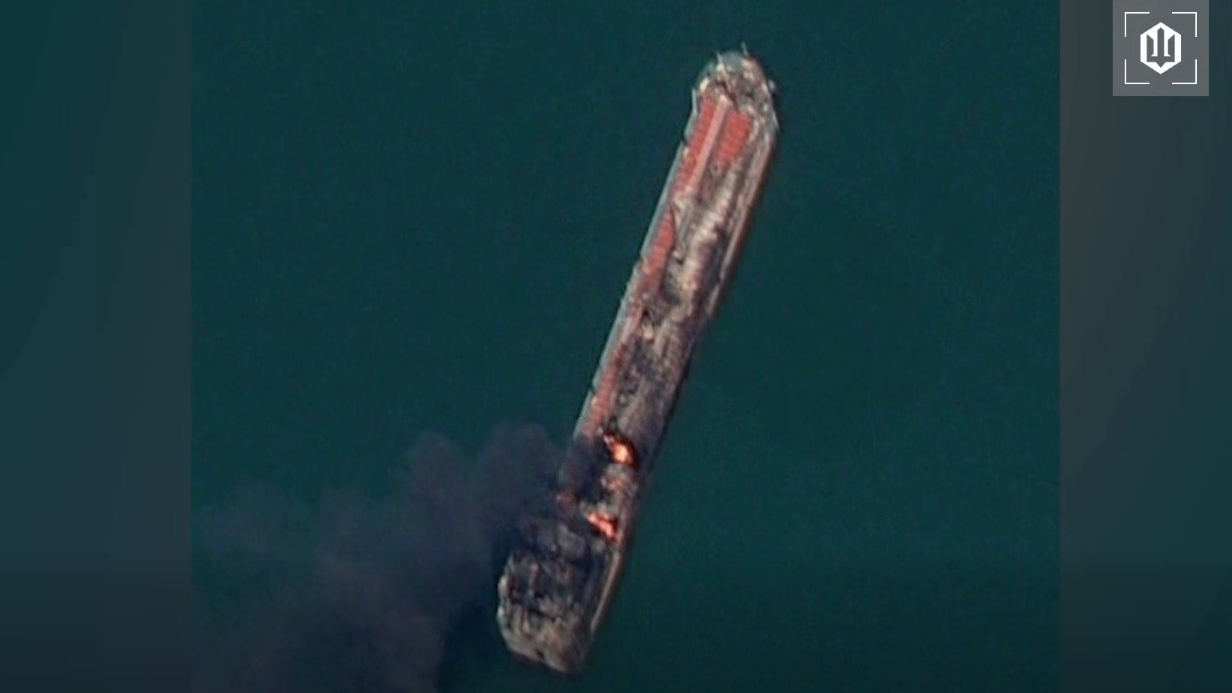
In a significant development that highlights the growing effectiveness of Ukrainian asymmetric warfare tactics, the commander of the Special Operations Forces (SOF) has revealed that Russia is being forced to redeploy substantial drone assets away from active combat zones. According to the military official known by his callsign “Magyar,” approximately 200 Rubikon drone crews are being withdrawn from the front lines to defend Russia’s so-called shadow fleet of oil tankers operating in contested waters.
The redeployment comes as a direct consequence of Operation “MoLoChKa” (an acronym that translates to “Milk” in Ukrainian), a strategic campaign that has been systematically targeting Russian maritime assets. This forced reallocation of resources represents a notable tactical victory for Ukrainian forces, as it effectively weakens Russia’s unmanned aerial capabilities along the line of contact where fierce fighting continues daily.
The Strategic Impact of Operation MoLoChKa
Operation MoLoChKa represents one of the most innovative aspects of Ukraine’s unconventional warfare strategy since the full-scale invasion began in February 2022. By targeting Russia’s shadow fleet – a network of aging tankers used to circumvent Western sanctions on Russian oil exports – Ukraine has found a pressure point that extends far beyond the immediate battlefield. These vessels, often operating under flags of convenience and with obscured ownership structures, have been crucial to maintaining Russia’s oil revenues despite international restrictions.
The shadow fleet has become increasingly vital to Russia’s economy as Western sanctions have tightened. Estimates suggest that Russia operates between 400 and 600 such vessels, moving millions of barrels of crude oil to markets in Asia, Africa, and elsewhere. By threatening these assets, Ukraine has forced Moscow to make difficult choices about resource allocation. The withdrawal of 200 specialized drone units – each typically consisting of operators, equipment, and support personnel – represents a considerable reduction in Russia’s front-line unmanned combat capabilities.
The Rubikon System and Its Battlefield Role
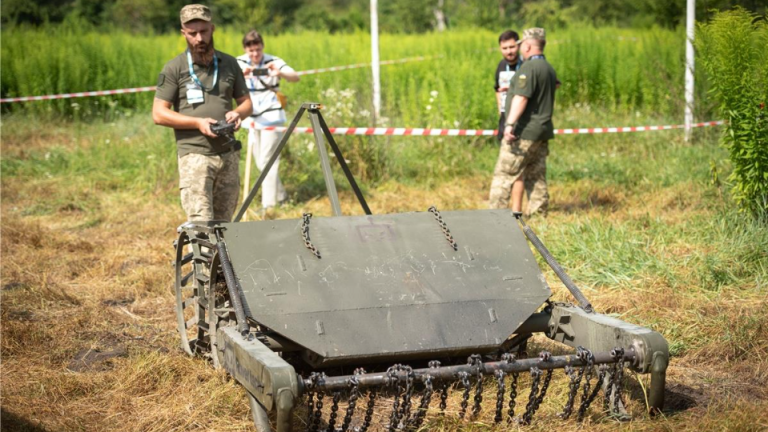
The Rubikon system represents one of Russia’s primary tactical drone platforms, used extensively for reconnaissance, artillery correction, and increasingly for direct strike missions using modified commercial drones and purpose-built FPV (first-person view) attack drones. These units have been central to Russia’s strategy of using cheap, expendable unmanned systems to locate and destroy Ukrainian positions, vehicles, and personnel. The withdrawal of 200 such crews could significantly impact Russian operational effectiveness across multiple sectors of the approximately 1,200-kilometer front line.
Military analysts have noted that the drone war in Ukraine has evolved into one of the most intensive unmanned aerial conflicts in history, with both sides launching thousands of drones monthly. The loss of experienced drone operators and their equipment from the front lines could create gaps in Russian reconnaissance coverage and reduce the tempo of drone strikes against Ukrainian positions. This is particularly significant as both armies have become increasingly dependent on unmanned systems for everything from basic surveillance to precision strikes on high-value targets.
Broader Implications for the Conflict
The situation illustrates a fundamental challenge facing the Russian military command: the need to protect economically vital assets while maintaining pressure on Ukrainian forces across an extended front. This strategic dilemma is not new in military history, but the scale and immediacy of the trade-off highlighted by Magyar’s statement underscores how Ukrainian forces have successfully expanded the battlefield beyond conventional ground combat.
Ukraine has invested heavily in developing maritime drone capabilities, with numerous reported attacks on Russian naval vessels and port infrastructure in the Black Sea. The extension of these operations to target commercial shipping supporting the Russian war economy represents an evolution in strategy that Moscow appears to have anticipated but struggled to counter effectively. The redeployment of front-line assets suggests that existing naval and coastal defense systems have proven insufficient to protect the shadow fleet without reinforcement.
As the war enters its fourth year, such asymmetric approaches may become increasingly important for Ukraine as it seeks ways to offset Russia’s advantages in manpower and conventional military equipment. The success of operations like MoLoChKa demonstrates that creative tactical thinking can yield strategic results that extend far beyond the immediate military sphere, potentially affecting Russia’s ability to finance its continued military operations through oil revenues.
Expert Opinion: The forced reallocation of 200 specialized drone units reveals a critical vulnerability in Russia’s strategic calculus – the inability to simultaneously protect economic assets and maintain full combat effectiveness. This development suggests Ukraine’s maritime asymmetric warfare campaign is achieving its intended effect of stretching Russian resources thin. If sustained, such pressure could force Moscow into increasingly difficult prioritization decisions that may ultimately degrade both its economic resilience and battlefield capabilities.