


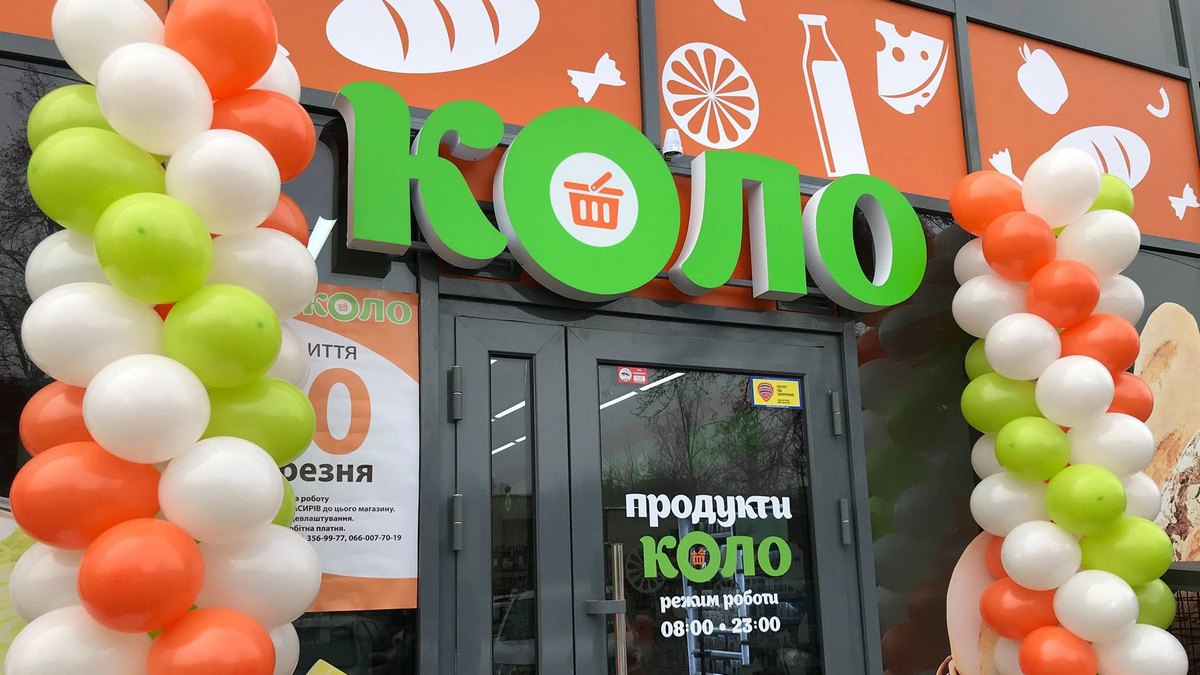
The Dnipro-based supermarket chain Varus is set to significantly strengthen its position in Ukraine’s capital through a major merger and acquisition deal. The company has announced its intention to acquire Kolo, a Kyiv-based grocery retail network, marking one of the most significant consolidation moves in the Ukrainian retail sector in recent years. This strategic acquisition represents a calculated effort by Varus to expand its footprint in the highly competitive Kyiv market, where consumer spending remains robust despite ongoing economic challenges facing the country.
According to industry expert Kostiantyn Shostak, the acquisition is a carefully planned strategic maneuver designed to accelerate Varus’s growth in the capital city. Rather than building new stores from the ground up, which requires significant time and capital investment, acquiring an established chain with existing locations, customer base, and operational infrastructure provides immediate market access. Shostak emphasized that this approach allows Varus to bypass many of the traditional barriers to entry that retailers face when expanding into new territories, particularly in a market as competitive and saturated as Kyiv.
Understanding the Ukrainian Retail Landscape
The Ukrainian grocery retail market has undergone significant transformation over the past decade, with consolidation becoming an increasingly common strategy among major players. Before the full-scale invasion in 2022, the country’s retail sector was experiencing steady growth, with modern retail formats gradually replacing traditional markets and small shops. Major chains including ATB, Silpo, Novus, and Varus have been competing for market share, each employing different strategies to attract consumers. ATB has focused on discount pricing, while Silpo has positioned itself as a premium shopping experience. Varus, headquartered in Dnipro, has built a strong regional presence in central and eastern Ukraine but has had a relatively modest presence in Kyiv compared to its competitors.
The Kolo supermarket chain, though smaller in scale, has established a loyal customer base in several key Kyiv neighborhoods. The chain has developed a reputation for fresh produce and convenient locations, making it an attractive acquisition target. For Varus, purchasing Kolo provides not just physical store locations but also valuable real estate positions, trained staff, established supplier relationships, and existing customer loyalty programs. These assets would take years to develop organically, making the acquisition a time-efficient path to expansion.
Economic Context and Market Dynamics
Despite the challenging economic environment created by the ongoing conflict, Ukraine’s retail sector has shown remarkable resilience. Consumer spending patterns have shifted, with Ukrainians prioritizing essential goods and food purchases. According to recent market analysis, grocery retail has remained one of the more stable sectors of the economy, as people continue to need basic necessities regardless of broader economic conditions. This stability makes grocery retail an attractive sector for investment and expansion, even during uncertain times. The Kyiv market, in particular, remains significant due to the capital’s large population and relatively higher purchasing power compared to other regions.
The M&A activity in Ukraine’s retail sector reflects broader trends seen in European markets, where consolidation has been a defining characteristic of the grocery industry for decades. Larger chains benefit from economies of scale in purchasing, logistics, and marketing, allowing them to offer competitive prices while maintaining profitability. For mid-sized players like Varus, strategic acquisitions represent an opportunity to achieve the scale necessary to compete effectively with larger rivals. Industry analysts suggest that further consolidation in the Ukrainian market is likely, as companies seek to strengthen their positions and improve operational efficiency.
Future Implications and Industry Outlook
The Varus-Kolo deal is expected to have ripple effects throughout the Ukrainian retail industry. Competitors may feel pressure to pursue their own expansion strategies, whether through acquisitions, organic growth, or strategic partnerships. The transaction also signals continued confidence in Ukraine’s long-term economic prospects, as companies would be unlikely to make significant investments without expectations of future stability and growth. For consumers, the consolidation could bring both benefits and challenges – potentially improved store experiences and pricing through operational efficiencies, but also reduced choice if market concentration increases significantly.
Looking ahead, the success of this acquisition will depend on Varus’s ability to integrate Kolo’s operations effectively while retaining the qualities that made the chain attractive to its existing customers. Retail industry experts note that post-merger integration is often the most challenging phase of any acquisition, requiring careful management of everything from supply chain logistics to corporate culture alignment. If executed successfully, this deal could serve as a model for future consolidation in the Ukrainian retail sector and position Varus as a major player in the capital city market for years to come.
Expert Opinion: This acquisition represents a pivotal moment in Ukrainian retail consolidation, demonstrating that strategic investors continue to see long-term value in the country’s consumer market despite current challenges. The deal’s success will likely trigger additional M&A activity in the sector, potentially reshaping the competitive landscape within the next two to three years. Companies that fail to achieve sufficient scale may find themselves as acquisition targets rather than acquirers in this evolving market environment.