


The European Union is intensifying pressure on Russia’s oil export capabilities by introducing new sanctions that will permit the sale of Russian crude oil seized from confiscated vessels belonging to the so-called ‘shadow fleet.’ This latest measure represents a significant escalation in the West’s efforts to curtail Moscow’s energy revenues, which have been funding the ongoing military operations in Ukraine. The new regulations aim to close loopholes that have allowed Russia to circumvent the $60 per barrel price cap imposed by Western nations in December 2022.
The Rise of Russia’s Shadow Fleet
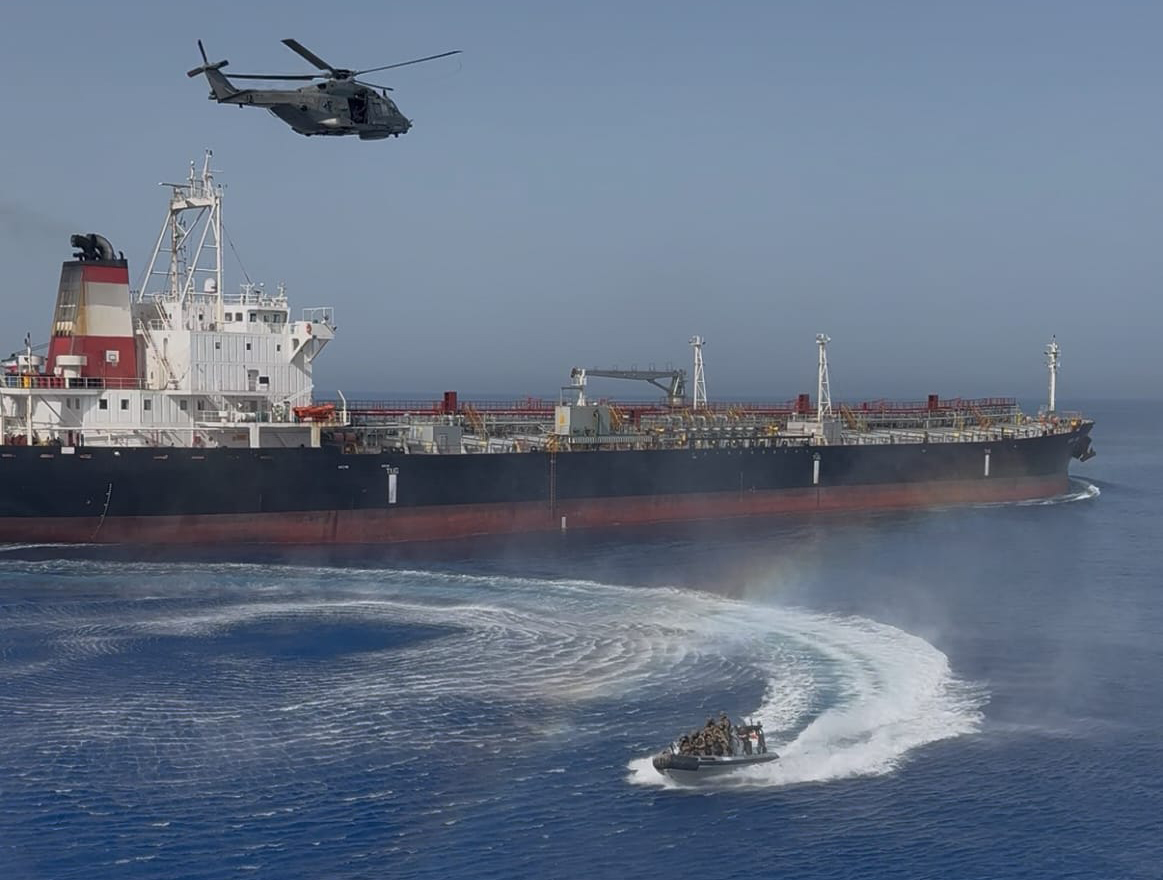
Since the imposition of Western sanctions following Russia’s invasion of Ukraine in February 2022, Moscow has assembled an extensive network of aging tankers operating outside traditional maritime insurance and shipping frameworks. This ‘shadow fleet’ consists of approximately 600 vessels, many of which are decades old and operate under flags of convenience from countries with minimal regulatory oversight. These ships have enabled Russia to continue exporting crude oil to willing buyers, primarily in Asia, while evading the price cap mechanism designed to limit Kremlin revenues. Industry analysts estimate that this shadow fleet has transported hundreds of millions of barrels of Russian oil, generating tens of billions of dollars in revenue that would otherwise have been restricted under Western sanctions.
The shadow fleet poses significant environmental and safety risks due to the age and poor maintenance of many vessels. Several incidents involving oil spills and near-misses have been reported in the Baltic Sea and other waterways frequented by these tankers. Environmental groups have repeatedly warned that a major disaster is increasingly likely, potentially causing catastrophic damage to marine ecosystems and coastal communities. The European Union has cited these safety concerns alongside economic motivations in justifying the expanded confiscation and sale provisions.
Details of the New Sanctions Framework
Under the newly adopted regulations, EU member states will have the authority to seize vessels suspected of violating the oil price cap and subsequently auction the cargo aboard these ships. The proceeds from such sales would be directed toward supporting Ukraine’s reconstruction efforts and humanitarian needs, according to officials familiar with the policy. This approach mirrors similar mechanisms already employed for frozen Russian state assets and represents a creative legal framework for converting sanctioned goods into direct support for Kyiv. Legal experts note that this measure treads new ground in international sanctions law, potentially setting precedents for future enforcement actions against sanctions evaders.
The implementation of these sanctions will require close coordination between EU member states, maritime authorities, and international partners. Port authorities in key European shipping hubs, including Rotterdam, Hamburg, and Piraeus, will play crucial roles in identifying and detaining suspect vessels. Intelligence sharing between NATO allies and commercial shipping tracking services will be essential for effective enforcement. The European Commission has allocated additional resources to Europol and national customs agencies to support these operations, recognizing that successful implementation will depend on robust surveillance and rapid response capabilities.
Implications for Global Energy Markets
The strengthened sanctions regime is expected to have ripple effects throughout global energy markets, potentially disrupting supply chains and influencing crude oil prices. Major buyers of Russian oil, including China and India, may face increased scrutiny and secondary sanctions risks if they continue accepting deliveries from shadow fleet vessels. Energy market analysts predict that these measures could push more Russian oil toward less efficient and more expensive transportation methods, effectively raising the cost of Russian exports even when nominally sold below the price cap. Some experts suggest that sustained enforcement pressure could eventually force Russia to accept significantly lower prices for its crude, achieving the original intent of the sanctions more effectively than previous measures.
Russia has condemned the new EU measures as illegal interference with international trade and has vowed to challenge them through diplomatic and legal channels. Moscow argues that the price cap itself violates international law and free market principles, though these objections have gained little traction outside of Russia’s traditional allies. The Kremlin has indicated it will continue expanding alternative shipping and financial networks to maintain oil export volumes, suggesting that the economic confrontation between Russia and the West over energy trade will continue escalating for the foreseeable future.
Expert Opinion: The EU’s decision to authorize the sale of oil from confiscated shadow fleet vessels marks a significant evolution in sanctions enforcement strategy, moving from passive restrictions to active asset seizure and redistribution. This approach could prove more effective than previous measures by directly targeting the infrastructure Russia has built to evade sanctions, though success will ultimately depend on consistent enforcement across all EU member states and cooperation from key shipping nations. The coming months will reveal whether these measures can meaningfully reduce Russian oil revenues or whether Moscow will again adapt its evasion tactics to maintain export volumes.