



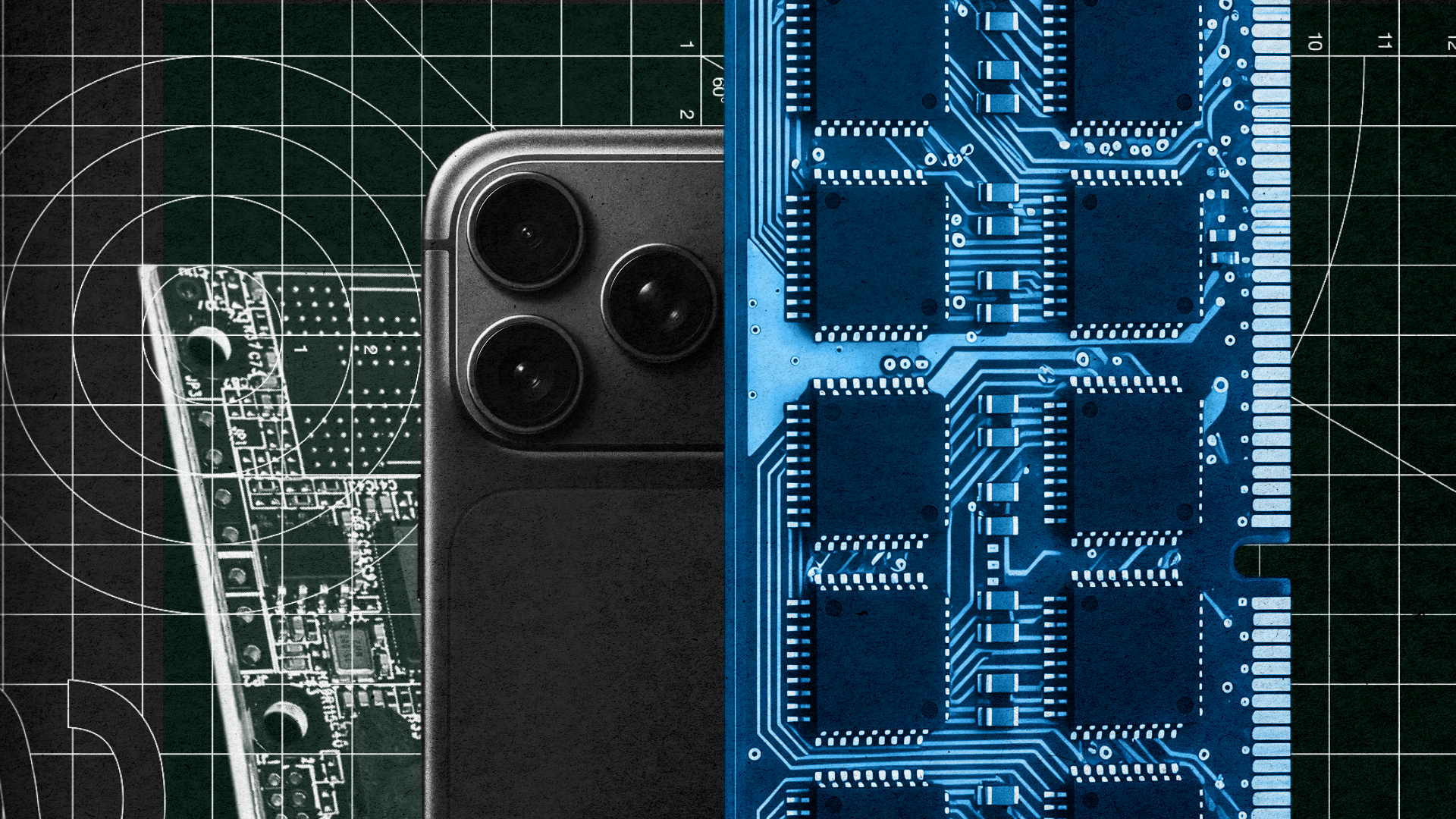
The global consumer electronics market is experiencing a significant shift as the artificial intelligence revolution creates unprecedented demand for computing components. This surge in AI-related hardware requirements is now rippling through supply chains worldwide, ultimately affecting retail prices for everyday devices like smartphones, laptops, and tablets. Ukraine, despite its ongoing challenges, is not immune to these global market forces, and consumers are beginning to feel the impact on their wallets.
The connection between AI development and consumer electronics pricing might not be immediately obvious to the average buyer, but the relationship is direct and consequential. AI systems require massive amounts of processing power, memory chips, and specialized semiconductors — the same components that power smartphones and computers. As tech giants like NVIDIA, Microsoft, Google, and OpenAI race to build increasingly powerful AI infrastructure, they are consuming semiconductor production capacity at an extraordinary rate, creating competition that drives up prices across the entire electronics ecosystem.
The Global Semiconductor Squeeze
The semiconductor industry has become the battleground for AI supremacy, with companies investing billions of dollars to secure chip supplies. NVIDIA, the dominant player in AI chips, has seen its valuation skyrocket as demand for its graphics processing units (GPUs) far exceeds supply. These same GPU architectures, originally designed for gaming, are now essential for training large language models and running AI applications. The resulting shortage has a cascading effect: when high-end chips become scarce and expensive, manufacturers of consumer devices must either accept higher component costs or settle for less powerful alternatives.
Memory chips represent another critical bottleneck. Modern AI systems require vast amounts of high-bandwidth memory (HBM) to function effectively. Samsung, SK Hynix, and Micron — the world’s largest memory manufacturers — have pivoted significant production capacity toward AI-optimized memory products, reducing availability for conventional consumer electronics. Industry analysts estimate that AI-related demand now accounts for over 30% of premium memory chip consumption, a figure that continues to grow quarterly.
Impact on the Ukrainian Market
For Ukrainian consumers, these global dynamics translate into tangible price increases at local electronics retailers. Market observers report that smartphone prices have risen by 10-15% compared to the previous year, with premium devices experiencing even steeper increases. Laptops suitable for professional work have seen similar price adjustments, putting additional financial pressure on consumers already dealing with wartime economic challenges. The situation is particularly acute for businesses and educational institutions that need to upgrade their technology infrastructure.
Ukrainian electronics importers face a complex situation. The country relies almost entirely on imported devices, making it vulnerable to global supply chain disruptions and currency fluctuations. When international manufacturers raise prices due to component costs, Ukrainian distributors must pass these increases to consumers. Additionally, logistics challenges and import complications add further premiums to retail prices. Some retailers have begun stockpiling popular models in anticipation of future price increases, while others are promoting mid-range alternatives to price-conscious consumers.
Looking Ahead: Market Predictions and Consumer Strategies
Industry experts predict that the pressure on electronics prices will continue throughout 2025 and potentially beyond. The AI boom shows no signs of slowing, with major technology companies announcing increasingly ambitious projects that will require even more computing resources. Intel, TSMC, and Samsung are investing heavily in new fabrication facilities, but these plants take years to become operational. Until new production capacity comes online, the supply-demand imbalance will persist, keeping prices elevated across the consumer electronics sector.
For Ukrainian consumers navigating this challenging market, experts recommend several strategies. Purchasing devices during promotional periods can yield significant savings, as retailers often discount older models to clear inventory. Considering refurbished or previous-generation devices offers another path to affordability without sacrificing too much performance. Additionally, proper maintenance of existing devices can extend their useful life, delaying the need for expensive replacements. As the AI revolution reshapes the global technology landscape, consumers worldwide — including those in Ukraine — must adapt to a new reality of higher prices and strategic purchasing decisions.
Expert Opinion: The current AI-driven price surge represents a structural shift in the electronics market rather than a temporary fluctuation. As artificial intelligence becomes increasingly integrated into everyday devices — from smartphones with on-device AI to smart home systems — the demand for advanced semiconductors will only intensify. Ukrainian consumers should expect sustained price pressure for at least the next 18-24 months, making strategic timing of purchases and consideration of alternative brands more important than ever for household budgeting.