


Ukraine’s steel and metallurgical sector, once a cornerstone of the nation’s economy and a significant player in global markets, now faces an existential threat that could reshape the country’s economic landscape for decades to come. Recent assessments indicate that the ongoing conflict has inflicted what experts are calling “unprecedented damage” to the industry, with projections suggesting that up to 72 percent of Ukraine’s metallurgical capacity could be permanently lost. This potential collapse threatens to trigger a cascade of negative consequences that would ripple throughout the entire Ukrainian economy, affecting everything from employment to export revenues and government tax receipts.
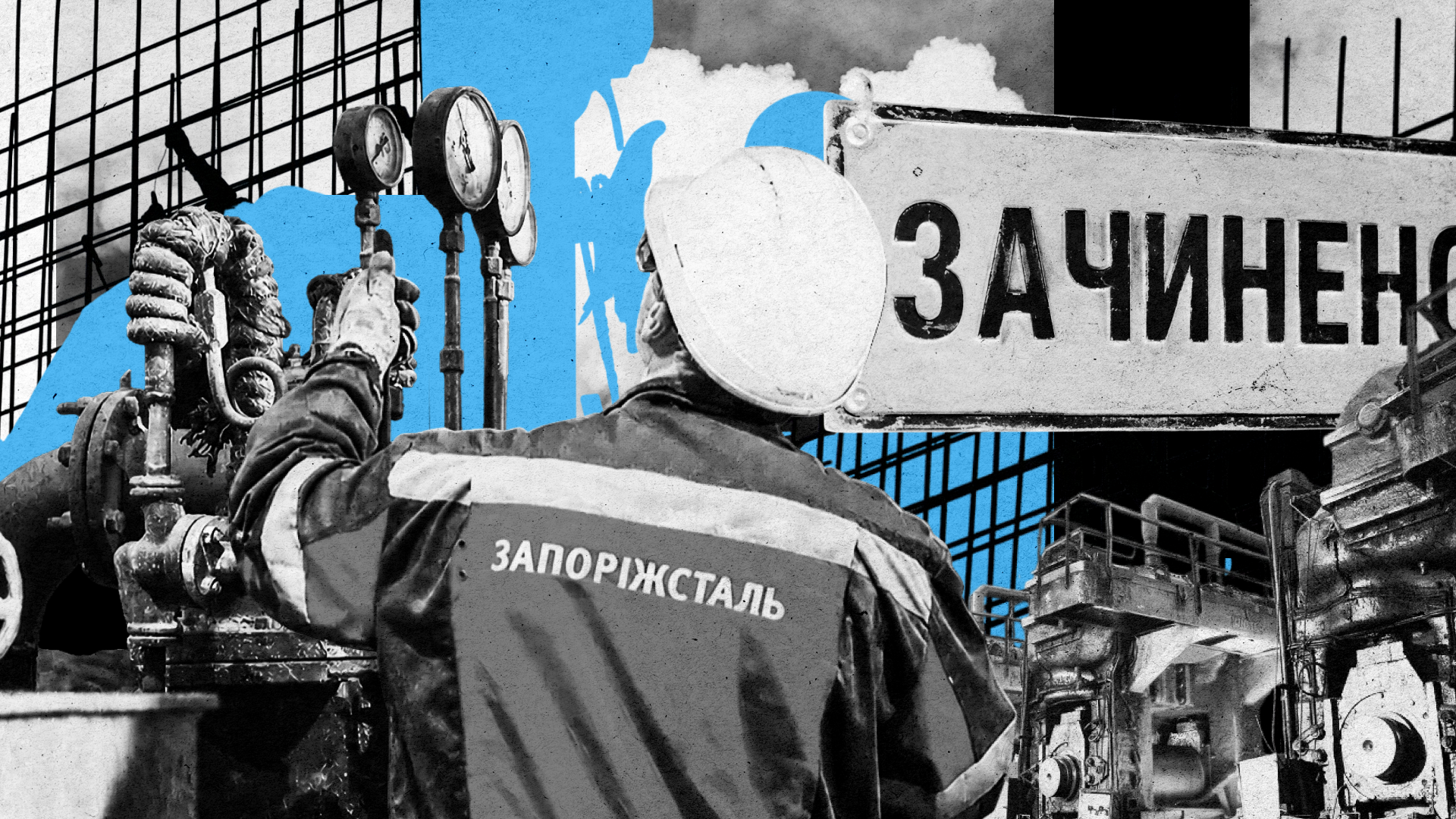
Before the full-scale invasion began in February 2022, Ukraine ranked among the world’s top fifteen steel-producing nations, with the metallurgical sector contributing approximately 10 percent of the country’s gross domestic product. The industry employed hundreds of thousands of workers directly and supported millions more in related sectors including mining, transportation, and energy. Major steel plants in cities like Mariupol, Zaporizhzhia, and Kryvyi Rih formed the backbone of regional economies, providing not just jobs but also funding for local infrastructure and social services.
The Devastating Impact on Critical Infrastructure
The destruction of the Azovstal and Illich steel plants in Mariupol during the brutal siege of that city in early 2022 represented the first major blow to Ukraine’s metallurgical capabilities. These facilities, operated by Metinvest, one of the country’s largest industrial conglomerates, had combined annual production capacities of several million tons of steel. The plants became symbols of Ukrainian resistance, with defenders holding out for weeks in the underground tunnels of Azovstal, but the facilities themselves were reduced to ruins by constant bombardment. Reconstruction of these plants, if it ever occurs, would require investments measured in billions of dollars and take many years to complete.
Subsequent attacks on energy infrastructure have compounded the industry’s problems dramatically. Steel production is extraordinarily energy-intensive, requiring massive amounts of electricity and natural gas to operate blast furnaces and rolling mills. The systematic targeting of Ukraine’s power grid has forced remaining operational plants to reduce output or halt production entirely during periods of severe electricity shortages. Even facilities located far from the front lines have struggled to maintain consistent operations due to power instability, leading to equipment damage and reduced efficiency.
Economic Ripple Effects and Regional Consequences
The potential loss of nearly three-quarters of metallurgical capacity would have severe implications extending far beyond the steel sector itself. Steel exports historically accounted for a significant portion of Ukraine’s foreign currency earnings, helping to support the hryvnia and fund imports of essential goods. The industry’s decline has already contributed to a dramatic reduction in export revenues, placing additional strain on a wartime economy heavily dependent on international financial assistance. Government tax receipts from the sector have plummeted, further complicating efforts to fund both military operations and basic public services.
The human cost of this industrial collapse is equally significant. Communities built around major steel plants face an uncertain future, with limited alternative employment opportunities available in regions already struggling with war-related displacement and economic disruption. Young workers with technical skills have increasingly sought opportunities abroad, accelerating a brain drain that could hamper post-war reconstruction efforts. The metallurgical workforce possessed specialized knowledge accumulated over generations, and reconstituting this human capital may prove as challenging as rebuilding physical infrastructure.
Future Prospects and Reconstruction Challenges
Looking ahead, the reconstruction of Ukraine’s steel industry presents both enormous challenges and potential opportunities. Some experts suggest that rebuilding could incorporate modern, more environmentally friendly technologies, potentially positioning Ukraine as a producer of “green steel” attractive to European markets increasingly focused on carbon reduction. International partnerships and investment will be essential, with estimates suggesting that restoring the sector to pre-war levels could require tens of billions of dollars over a decade or more. However, such investment depends heavily on security guarantees and the ultimate resolution of the conflict, factors that remain deeply uncertain.
The metallurgical crisis also highlights the broader vulnerability of Ukraine’s industrial economy to continued hostilities. As the war approaches its third year, the cumulative damage to productive capacity raises increasingly urgent questions about the country’s long-term economic viability and the scale of international support that will be needed to rebuild. The potential loss of such a significant portion of a major industry represents not just an economic setback but a fundamental transformation of Ukraine’s place in global supply chains and its domestic economic structure.
Expert Opinion: The potential collapse of 72% of Ukraine’s metallurgical capacity represents one of the most significant industrial catastrophes in modern European history. While post-war reconstruction presents opportunities for technological modernization, the immediate priority must be protecting remaining operational facilities and preserving the skilled workforce. International investors will likely require robust security guarantees before committing the massive capital needed for reconstruction, making the industry’s ultimate recovery inseparable from broader questions of war termination and lasting peace.