


The past week has been marked by significant developments across Ukraine’s business landscape, from major corporate acquisitions to groundbreaking changes in the defense sector. As the country continues to navigate wartime economic challenges, several stories have emerged that highlight both the resilience of Ukrainian enterprise and the complex dynamics affecting regional markets. The defense industry, in particular, has seen dramatic developments with the opening of Ukrainian weapons exports and a controversial investigation into one of the nation’s leading drone manufacturers.
Among the most notable business transactions, the Ukrainian construction materials giant Aeroc is set to transition to Irish ownership, marking another chapter in the ongoing restructuring of Ukrainian assets during wartime. Meanwhile, Russia continues to grapple with a deepening fuel crisis that has implications for both its domestic economy and its military operations. Adding to the week’s financial news, the National Bank of Ukraine has announced the introduction of a new 2000 hryvnia banknote, reflecting both practical monetary policy considerations and the evolving needs of the wartime economy.
Defense Sector Developments: Export Opportunities and Controversy
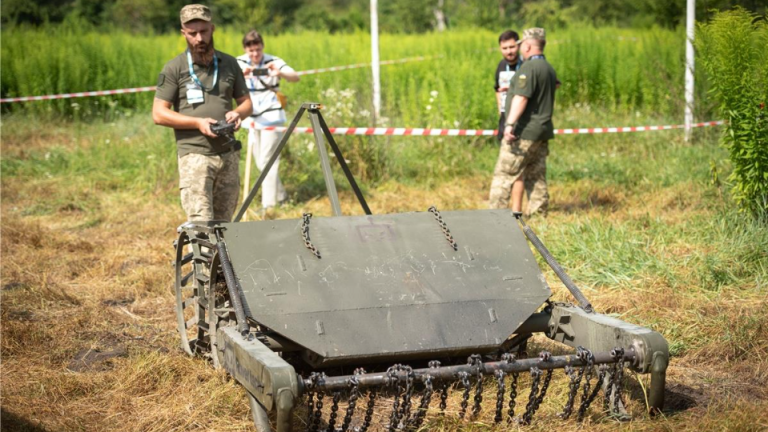
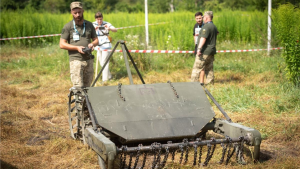
Ukraine’s defense industry has reached a pivotal moment with the official opening of weapons exports to foreign markets. This development represents a significant shift in government policy, allowing Ukrainian manufacturers to capitalize on the global demand for battle-tested military equipment. The country’s defense sector has grown exponentially since the beginning of the full-scale invasion, with domestic companies developing innovative solutions that have proven effective in real combat conditions. International interest in Ukrainian-made weapons systems, particularly drones and electronic warfare equipment, has surged as military observers worldwide have witnessed their effectiveness on the battlefield.
However, the week was not without controversy in the defense sector. The State Bureau of Investigation conducted searches at the facilities of Vyriy, one of Ukraine’s leading drone manufacturers. The company has been at the forefront of developing unmanned aerial vehicles that have become crucial tools in Ukraine’s defensive operations. The investigation has sparked debate within the business and defense communities about the appropriate balance between oversight and the need to maintain momentum in critical defense production. Industry experts have expressed concern that such actions could potentially disrupt supply chains at a critical time, while others emphasize the importance of maintaining transparency and accountability in the rapidly expanding defense industry.
Aeroc Acquisition: Irish Investment in Ukrainian Industry
The acquisition of Aeroc by Irish investors represents a significant vote of confidence in Ukraine’s long-term economic prospects. Aeroc, a major producer of autoclaved aerated concrete and other construction materials, has been a key player in Ukraine’s building industry for years. The company’s products have been essential for both residential and commercial construction projects across the country. The transition to Irish ownership is expected to bring new capital investment and potentially expanded market access for the company’s products.
This acquisition follows a broader trend of European companies and investors seeking opportunities in Ukraine despite ongoing hostilities. The construction materials sector is particularly attractive given the anticipated massive reconstruction effort that will be required once the conflict ends. International estimates suggest that Ukraine’s reconstruction could cost hundreds of billions of dollars, creating enormous demand for building materials of all types. Irish investment in Aeroc positions the new owners to participate in what many analysts expect to be one of the largest infrastructure rebuilding projects in modern European history.
Russia’s Fuel Crisis Deepens
Across the border, Russia continues to face a worsening fuel crisis that has exposed vulnerabilities in its energy infrastructure. Despite being one of the world’s largest oil producers, Russia has experienced significant disruptions to its domestic fuel supply, leading to shortages and price increases in various regions. The crisis has been attributed to multiple factors, including damage to refinery capacity, logistical challenges, and the prioritization of military fuel needs over civilian consumption.
Ukrainian drone strikes on Russian oil refineries have contributed to the reduction in processing capacity, forcing Russia to implement fuel export bans and other emergency measures. Energy analysts note that the situation highlights the interconnected nature of Russia’s energy sector vulnerabilities and demonstrates how sustained pressure on infrastructure can have cascading effects throughout the economy. The fuel shortages have affected agricultural operations, transportation networks, and everyday consumers, adding to the economic pressures already facing Russian citizens due to international sanctions.
New Currency Denomination Reflects Economic Realities
The National Bank of Ukraine’s introduction of a new 2000 hryvnia banknote reflects both practical considerations and symbolic significance during wartime. The new denomination will facilitate larger cash transactions and reduce the physical volume of currency needed for everyday commerce. With inflation and the changing purchasing power of the currency, higher denomination notes become increasingly practical for both businesses and consumers conducting cash transactions.
The introduction of new currency denominations is a normal part of central bank operations, particularly during periods of economic adjustment. The NBU has maintained remarkable stability in managing Ukraine’s monetary policy throughout the conflict, implementing measures to control inflation while ensuring adequate liquidity in the financial system. The new banknote is expected to feature design elements that reflect Ukrainian cultural heritage and national identity, continuing the tradition of using currency as a medium for commemorating important aspects of the nation’s history and values.
Expert Opinion: The convergence of defense sector expansion, foreign investment in strategic industries, and monetary policy adjustments signals Ukraine’s determination to maintain economic functionality while prosecuting its defense. The Aeroc acquisition particularly demonstrates that sophisticated international investors are making long-term bets on Ukrainian stability, which could catalyze further foreign direct investment. However, authorities must carefully balance security oversight of the defense industry with the imperative to maintain production momentum—excessive bureaucratic friction could undermine the very capabilities that have attracted global attention to Ukrainian military technology.