

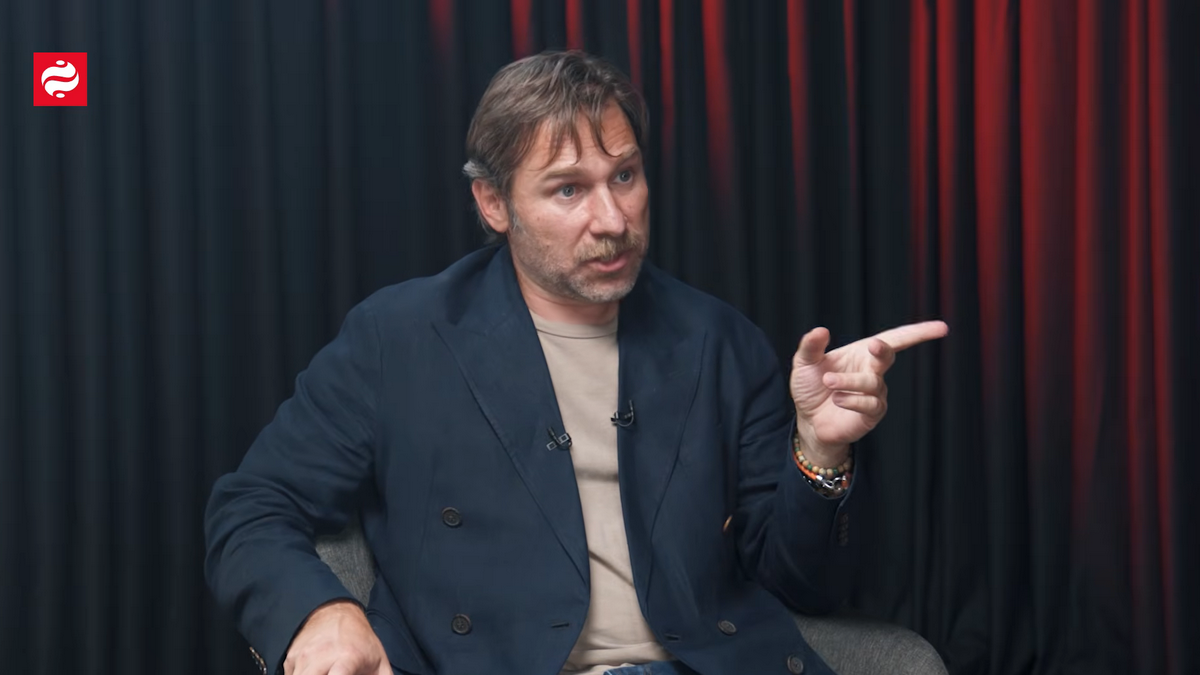
Rostyslav Vovk, the Lviv-based entrepreneur and owner of Kormotech, one of Ukraine’s largest pet food manufacturers, has made a striking statement about the current state of the Ukrainian mergers and acquisitions market. According to the businessman, discounts in the FMCG (Fast-Moving Consumer Goods) sector have reached such dramatic levels that selling a Ukrainian company at this time would be financially inadvisable. His comments shed light on the challenging reality facing Ukrainian business owners who might be considering exit strategies amid the ongoing conflict and economic uncertainty.
The statement comes at a time when Ukrainian businesses are navigating unprecedented challenges, including disrupted supply chains, workforce displacement, energy infrastructure attacks, and fluctuating consumer demand. Many international investors have adopted a wait-and-see approach toward Ukrainian assets, while those still interested in acquisitions are offering significantly reduced valuations compared to pre-war levels. Industry analysts estimate that some Ukrainian companies are being valued at 40-60% below their 2021 market prices, creating a buyer’s market that heavily favors acquiring parties.
The Ukrainian FMCG Sector Under Pressure
The FMCG sector in Ukraine has historically been one of the most resilient segments of the economy, encompassing everything from food and beverages to household products and personal care items. However, the war that began with Russia’s full-scale invasion in February 2022 has fundamentally altered the business landscape. Companies have been forced to relocate production facilities, find alternative logistics routes, and adapt to a consumer base that has been significantly affected by internal displacement and emigration. Despite these challenges, many Ukrainian FMCG companies, including Kormotech, have demonstrated remarkable adaptability and have continued operations, albeit under difficult circumstances.
Kormotech itself serves as an interesting case study in Ukrainian business resilience. Founded in 2003, the company has grown to become one of Eastern Europe’s leading pet food producers, with brands that are recognized across multiple international markets. The company operates modern production facilities and has invested heavily in meeting European quality standards, which has allowed it to expand its export footprint even during wartime. This international diversification has provided some buffer against domestic market volatility, but the company’s valuation, like that of its peers, has undoubtedly been affected by the broader economic situation.
Why Business Owners Are Holding Firm
Vovk’s advice to fellow Ukrainian entrepreneurs appears to be rooted in a long-term perspective on value recovery. Historical precedent from other conflict-affected economies suggests that asset valuations typically recover significantly once stability returns. Business owners who sold during crisis periods often found that they had essentially transferred substantial future value to buyers who were willing to accept short-term risk in exchange for long-term gains. This dynamic is particularly relevant in sectors like FMCG, where brand equity, distribution networks, and customer relationships represent intangible assets that can quickly regain value in a normalized economic environment.
Financial experts note that the current discount environment reflects not just war-related risks but also broader global economic factors, including inflation, rising interest rates, and shifting consumer behaviors post-pandemic. For Ukrainian companies with strong fundamentals, solid management teams, and established market positions, waiting for improved conditions could result in significantly better transaction terms. However, this strategy requires sufficient working capital and operational resilience to weather continued uncertainty, which not all businesses possess. The decision to sell or hold ultimately depends on individual company circumstances, owner objectives, and risk tolerance.
Looking Toward Future Recovery
Despite the current challenges, there are signs that international interest in Ukrainian assets remains strong among certain investor categories. Some private equity firms and strategic buyers are actively monitoring opportunities, recognizing that today’s discounted prices could translate into substantial returns if and when peace is achieved. International financial institutions have also signaled continued support for Ukraine’s private sector, with programs designed to help businesses maintain operations and prepare for post-war reconstruction. This suggests that while current valuations may be depressed, the fundamental attractiveness of Ukrainian companies to international capital has not disappeared entirely.
The reconstruction period, whenever it arrives, is expected to bring significant opportunities for well-positioned Ukrainian companies. Government officials and international partners have discussed reconstruction plans valued in the hundreds of billions of dollars, which would create substantial demand across multiple sectors. Companies that maintain their operational capacity and market positions through the current difficult period may find themselves exceptionally well-placed to benefit from this anticipated economic expansion, making the case for patience even stronger for those with the resources to wait.
Expert Opinion: The current valuation gap in Ukrainian M&A markets represents a temporary dislocation rather than a fundamental repricing of Ukrainian business assets. Entrepreneurs who can sustain operations through this period are likely to see valuations recover to 80-90% of pre-war levels within 18-24 months following any peace settlement, making strategic patience a rational approach for well-capitalized business owners.