Cricket Rules Explained: A Beginner’s Guide to the Basics
A plain-English guide to cricket: two teams of 11, innings and overs, how runs and boundaries are scored, the main ways to get out, and who does what.
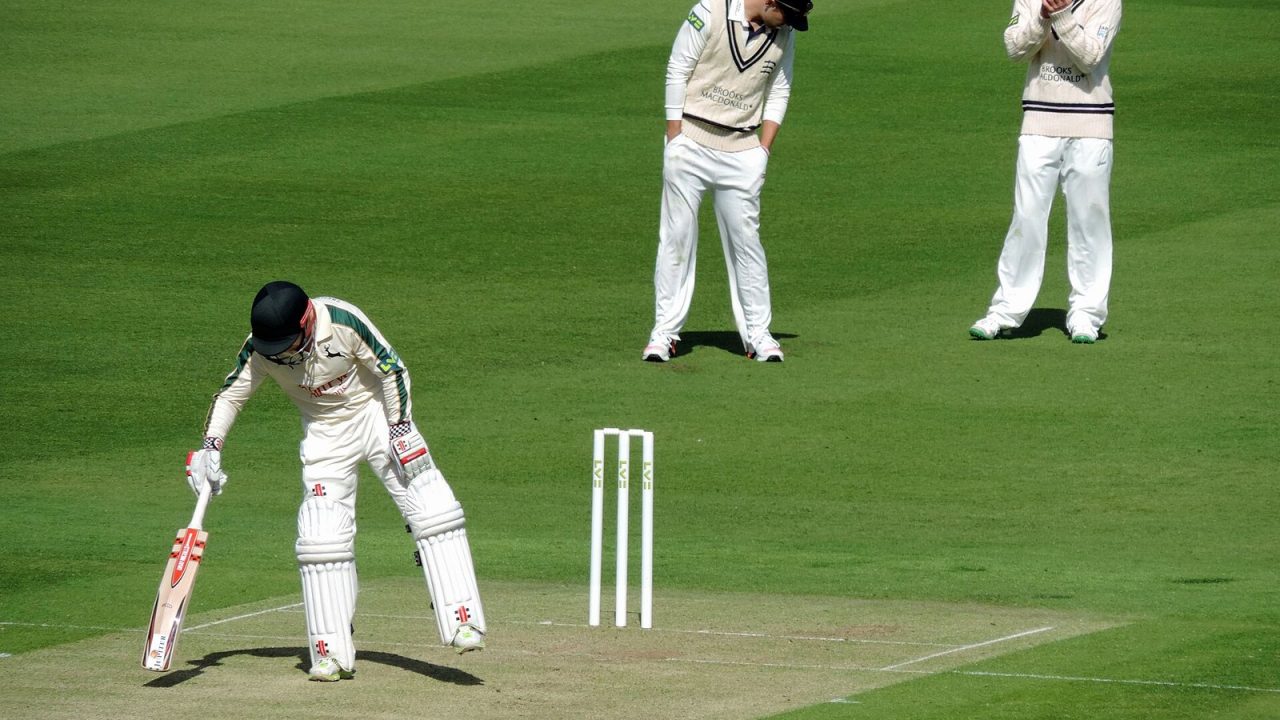
Cricket has a reputation for being impenetrable. Matches can last anything from three hours to five days, the vocabulary is full of odd terms, and the scoring looks like a code. But the core of the game is simple: one side bats and tries to score runs, the other bowls and fields and tries to get the batters out. Everything else is detail built on that contest.
This guide explains the basics using the Laws of Cricket, which are written and maintained by the Marylebone Cricket Club (MCC). The current text is the 2017 Code, 4th Edition, which came into effect on 1 October 2026. Professional competitions add their own playing conditions on top, but the fundamentals below apply everywhere.
The Teams and the Field
Law 1 sets out that a match is played between two sides of eleven players, one of whom is captain. Sides can agree to play with more or fewer, but no more than eleven may field at any time.
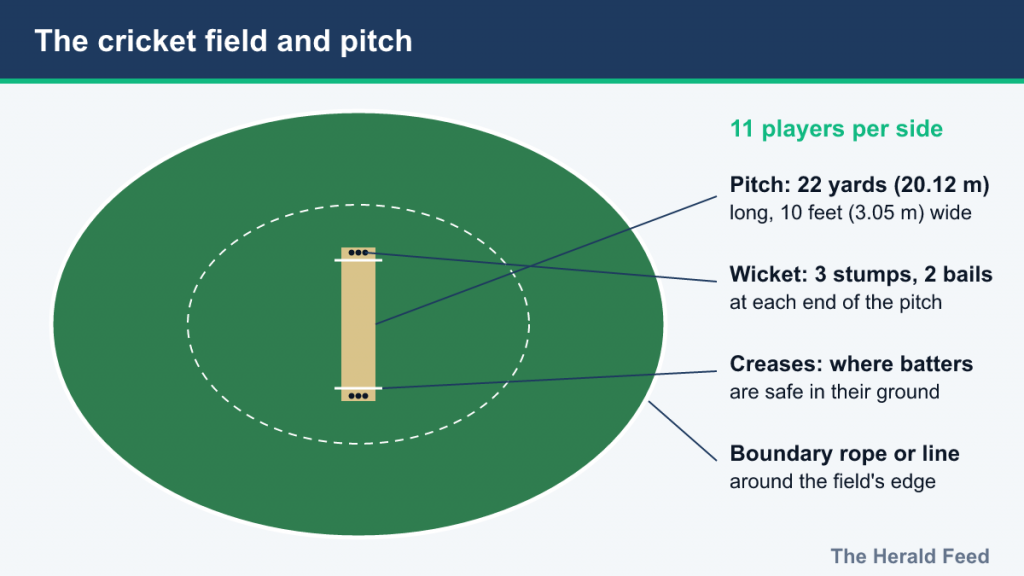
The game takes place on a large, usually oval field with a boundary rope or line around its edge. In the middle is the pitch, a strip 22 yards (20.12 m) long and 10 feet (3.05 m) wide. At each end of the pitch stands a wicket: three upright stumps topped by two small bails. Painted lines called creases mark where the bowler must deliver from and where batters are safe — “in their ground” — when running.
Before play, the captains toss a coin, and the winner chooses whether to bat or field first. Under Law 13 that choice, once notified, cannot be changed. The decision often depends on the pitch and the weather, and it can shape the whole match.
Innings and Overs
An innings is a team’s turn to bat. Depending on what is agreed before the match, each side has either one or two innings. In a two-innings match, the sides normally bat alternately.
The bowling side delivers the ball in overs. Law 17 says the ball is bowled from each end alternately in overs of six valid balls. Deliveries that are wides or no-balls do not count towards the six, so an over can include more than six deliveries in total. After each over, a different bowler takes over at the other end; a bowler cannot bowl two consecutive overs in the same innings.
An innings is complete when:
- the side is all out — ten batters have been dismissed, leaving the last batter without a partner;
- the captain declares the innings closed (in multi-day cricket);
- the agreed number of overs has been bowled or the time has run out (in limited-overs cricket).
That third point is what separates cricket’s formats. A Test match gives each side two innings with no over limit, played over up to five days. One-day internationals limit each side to 50 overs, and T20 cricket to 20 overs. The rules of bat and ball are the same; the length and the tactics differ.
How Runs Are Scored
Two batters are on the field at once, one at each end. The one facing the bowler is the striker; the other is the non-striker. When the striker hits the ball, both batters can run to the opposite end. Each time they cross and reach the other crease safely, they score one run. If the ball goes far enough, they can run two, three or more.
The boundary saves them the effort. Under Law 19:
- Four runs are scored when the ball crosses the boundary after touching the ground inside the field.
- Six runs are scored when the ball is struck by the bat and lands beyond the boundary without bouncing inside the field.
Runs can also come from extras, which are credited to the team rather than to a batter. The main extras are wides (a delivery too far from the batter to hit), no-balls (an illegal delivery, most often when the bowler oversteps the front line), byes (runs taken when the ball passes the batter without touching bat or body) and leg byes (runs taken after the ball hits the batter’s body). Umpires can also award penalty runs for certain offences.
Batters swap ends whenever they run an odd number of runs, which is why a single off the last ball of an over is so valuable: it keeps a preferred batter on strike for the next over, bowled from the other end.
Wickets: The Main Ways of Getting Out
“Taking a wicket” means dismissing a batter. The Laws list a number of ways to be out, but a handful account for the vast majority of dismissals. Each is a separate Law, and the fielding side must normally appeal — traditionally by asking “How’s that?” — for the umpire to give the batter out.
| Dismissal | What happens |
|---|---|
| Bowled (Law 32) | The delivery hits the stumps and removes a bail, whether or not it touched the bat first. |
| Caught (Law 33) | A fielder catches the ball after it comes off the bat (or the glove holding the bat) before it touches the ground. |
| Leg before wicket (Law 36) | The ball hits the batter’s body, usually the pad, when it would otherwise have gone on to hit the stumps — subject to conditions about where it landed and where it struck. |
| Run out (Law 38) | The fielding side breaks the wicket while a batter is out of their ground during a run. |
| Stumped (Law 39) | The wicketkeeper breaks the wicket while the striker is out of their ground but not attempting a run — typically after advancing down the pitch and missing the ball. |
Rarer dismissals exist — hit wicket, obstructing the field, hit the ball twice and timed out among them — and they make for great trivia. LBW, in particular, deserves its own explanation, because its conditions about line and impact confuse new viewers more than anything else in the game.
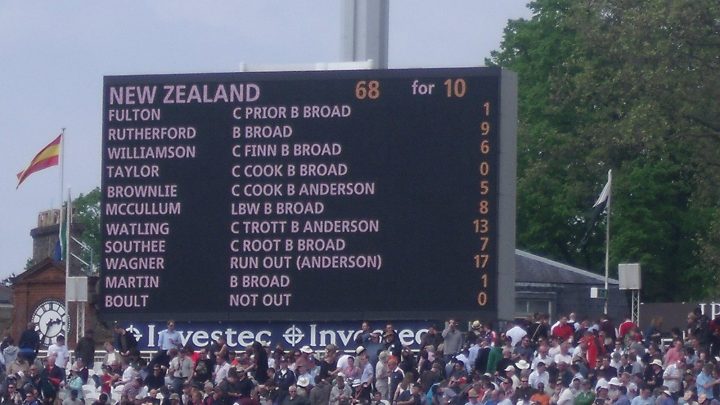
When a team has lost ten wickets, its innings is over, because the last batter cannot continue alone.
Who Does What: Batters, Bowlers, Keepers and Umpires
Batters
Batters have two jobs: protect their wicket and score runs. Openers face the new ball, which tends to swing and bounce more; middle-order batters build on that start or rebuild after early wickets; lower-order batters, often specialist bowlers, contribute what they can. A batter’s score is shown next to their name, and fifty and a hundred (a “century”) are milestones celebrated in every form of the game.
Bowlers
Bowlers deliver the ball with a straight arm — throwing is illegal — and usually bounce it on the pitch before it reaches the batter. Fast bowlers rely on pace, bounce and movement in the air or off the seam. Spin bowlers deliver more slowly and make the ball turn after it lands. A captain rotates bowlers to suit the conditions and the batters at the crease, within any over limits the format imposes.
The wicketkeeper
The wicketkeeper stands behind the striker’s stumps wearing gloves and pads. They are the only fielder allowed to wear gloves, and they take catches, stumpings and throws from the field. A good keeper is involved in almost every ball.
Fielders
The remaining nine players are placed around the field by the captain and bowler, either close to the bat to take catches or spread out to stop runs. Fielding positions have their own names — slip, gully, point, cover, mid-on and more — which explain a lot about a captain’s intentions.
Umpires and scorers
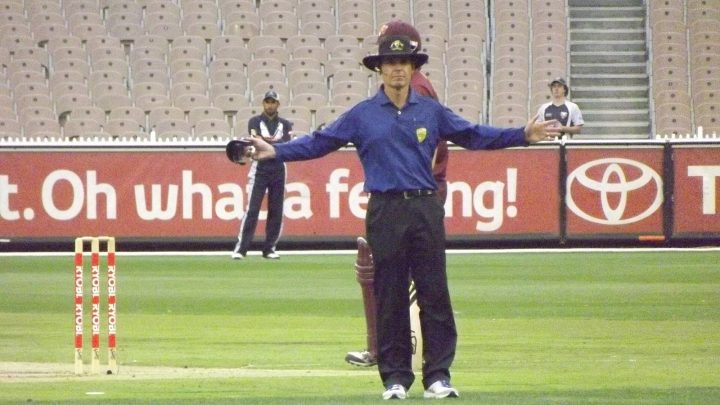
Law 2 provides for two on-field umpires, one at each end. One stands behind the stumps at the bowler’s end and judges most decisions; the other stands square of the batter at the striker’s end, watching for stumpings and run-outs. Umpires communicate with the official scorers using signals: for example, under the Laws a boundary four is shown by waving an arm from side to side, and a six by raising both arms above the head. In professional cricket a third umpire watches replays, and in many competitions players can challenge decisions using the Decision Review System.
How a Match Is Won
The simplest way to think about a result: the team with more runs wins. In a limited-overs game, the side batting second is chasing a target and wins as soon as it passes the first side’s total. If it falls short when its overs run out or it is bowled out, the side batting first wins.
Results are described differently depending on who won. A side that bats second and wins is said to win “by” the number of wickets it had left — for example, “won by 4 wickets”. A side that bats first and wins does so “by” a margin of runs.
Two-innings matches add another possibility. To win a Test, a side must usually bowl the opposition out twice. If time runs out before that happens, the match is a draw, regardless of who has more runs. A tie — under Law 16, all innings completed and the scores equal — is extremely rare in Tests. The possibility of a draw is why Test captains declare innings closed: they are trading runs for the time they need to take twenty wickets.
Common Questions from New Fans
Why do batters sometimes not run after hitting the ball?
Running is optional. If the ball is fielded quickly, attempting a run risks a run-out, so batters only run when they are confident of making their ground.
What is “the spirit of cricket”?
The Laws open with a preamble on the Spirit of Cricket, and Law 1 makes captains responsible for ensuring play is conducted within it as well as within the Laws. It covers respect for opponents and umpires, and it explains why behaviour that is technically legal can still be frowned upon.
Do I need to understand everything to enjoy a match?
No. Watch the contest between one bowler and one batter, ball by ball. Is the batter scoring or surviving? Is the bowler building pressure? Once you follow that duel, the scoreboard and the tactics fall into place.