


Ukraine’s Zaporizhstal steel plant, one of the nation’s largest metallurgical facilities, has been forced to suspend operations following a devastating Russian missile strike that killed seven workers. The attack marks a significant escalation in Russia’s apparent strategy to target Ukraine’s industrial infrastructure after previously focusing on energy facilities and logistics hubs. The strike on the Zaporizhzhia-based plant represents a direct blow to Ukraine’s wartime economy, which has relied heavily on its steel industry to generate export revenue and maintain employment in key industrial regions.
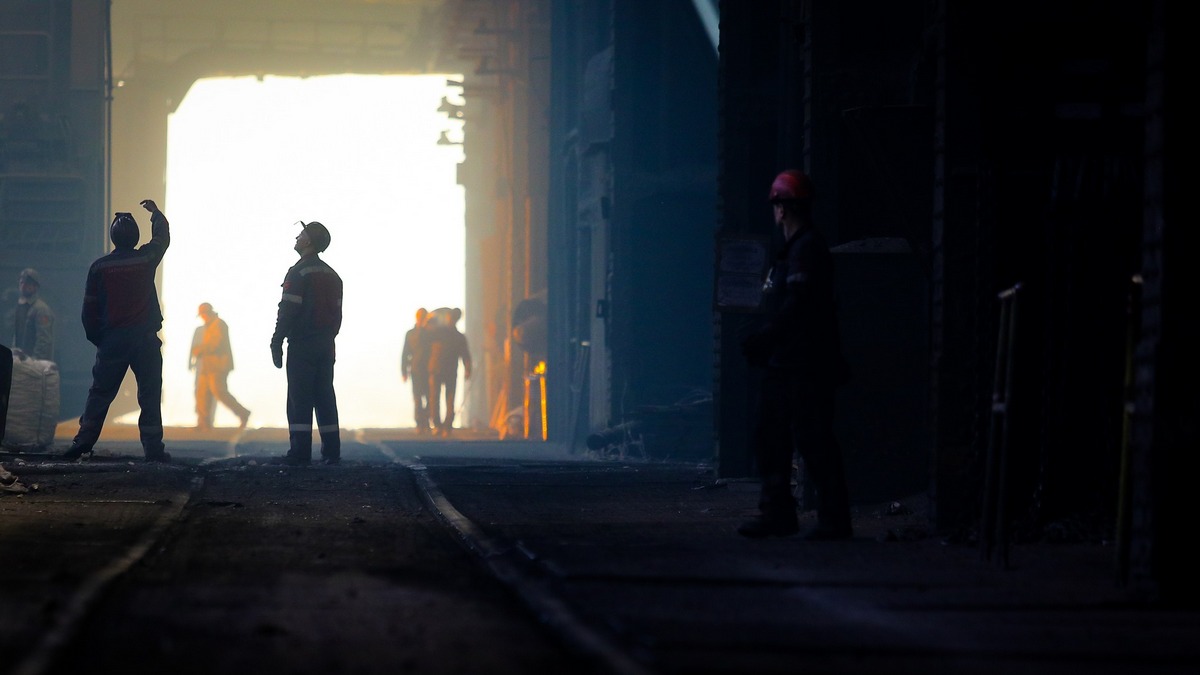
The seven victims were employees of the massive integrated steel works, which has been a cornerstone of Ukrainian heavy industry for decades. Emergency services responded to the scene as plant management confirmed the casualties and announced the immediate cessation of all production activities. The decision to halt operations reflects both the physical damage sustained and safety concerns for the remaining workforce, estimated at thousands of employees who work across the facility’s various production lines.
Strategic Shift in Russian Targeting
Military analysts have noted that this strike represents a notable shift in Russian military strategy. After systematically targeting Ukraine’s energy infrastructure throughout the winter months and attacking warehouses and supply depots in recent weeks, Russian forces appear to be expanding their campaign to include critical industrial assets. Steel production facilities represent high-value targets due to their economic importance and the difficulty of quickly repairing specialized metallurgical equipment. Zaporizhstal alone accounted for a significant portion of Ukraine’s pre-war steel output, making it both an economic and symbolic target.
The Zaporizhzhia region has been a focal point of conflict since the early days of Russia’s full-scale invasion in February 2022. The city sits near the front lines and hosts the Zaporizhzhia Nuclear Power Plant, Europe’s largest nuclear facility, which has been under Russian occupation since March 2022. The industrial zone surrounding the city has remained under Ukrainian control but faces constant threat from Russian artillery, drones, and missile systems positioned across the Dnipro River.
Economic Impact on Ukrainian Steel Industry
Ukraine’s steel industry, once the backbone of the national economy, has suffered tremendously since the invasion began. Before the war, Ukraine ranked among the world’s top fifteen steel producers, with the sector contributing approximately ten percent of GDP and providing direct employment to hundreds of thousands of workers. The loss of production capacity at Mariupol’s Azovstal and Illich Steel Works during the siege of that city in 2022 already dealt a massive blow to the industry. Now, with Zaporizhstal forced offline, Ukraine’s remaining operational capacity faces further strain.
International steel markets will likely feel ripple effects from the continued degradation of Ukrainian production capacity. Prior to the conflict, Ukraine was a significant exporter of semi-finished steel products, iron ore, and pig iron to European and global markets. The targeting of facilities like Zaporizhstal could have long-term implications for reconstruction efforts, as domestic steel production will be essential for rebuilding the country’s devastated infrastructure once hostilities eventually conclude.
Humanitarian Concerns and Worker Safety
The deaths of seven workers highlight the ongoing human cost of the conflict for Ukrainian civilians who continue to work in essential industries despite the dangers. Steel plants, power stations, and other critical infrastructure facilities have increasingly become targets, forcing workers to operate under conditions of extreme risk. Labor unions and international organizations have called for enhanced protection measures for industrial workers, though the practical challenges of defending large, fixed facilities against modern missile systems remain formidable. The families of the deceased workers join the growing number of Ukrainian civilians who have lost loved ones to strikes on non-military targets throughout the nearly three-year conflict.
Expert Opinion: The deliberate targeting of Ukraine’s steel industry signals Russia’s intent to wage economic warfare alongside its military campaign, aiming to cripple Ukraine’s export capacity and long-term reconstruction potential. This strategic shift suggests Moscow recognizes that degrading industrial infrastructure may prove more effective than continued attacks on energy systems, which Ukraine has shown remarkable ability to repair. International partners should anticipate increased requests for air defense systems to protect remaining industrial assets critical to Ukraine’s economic survival.