

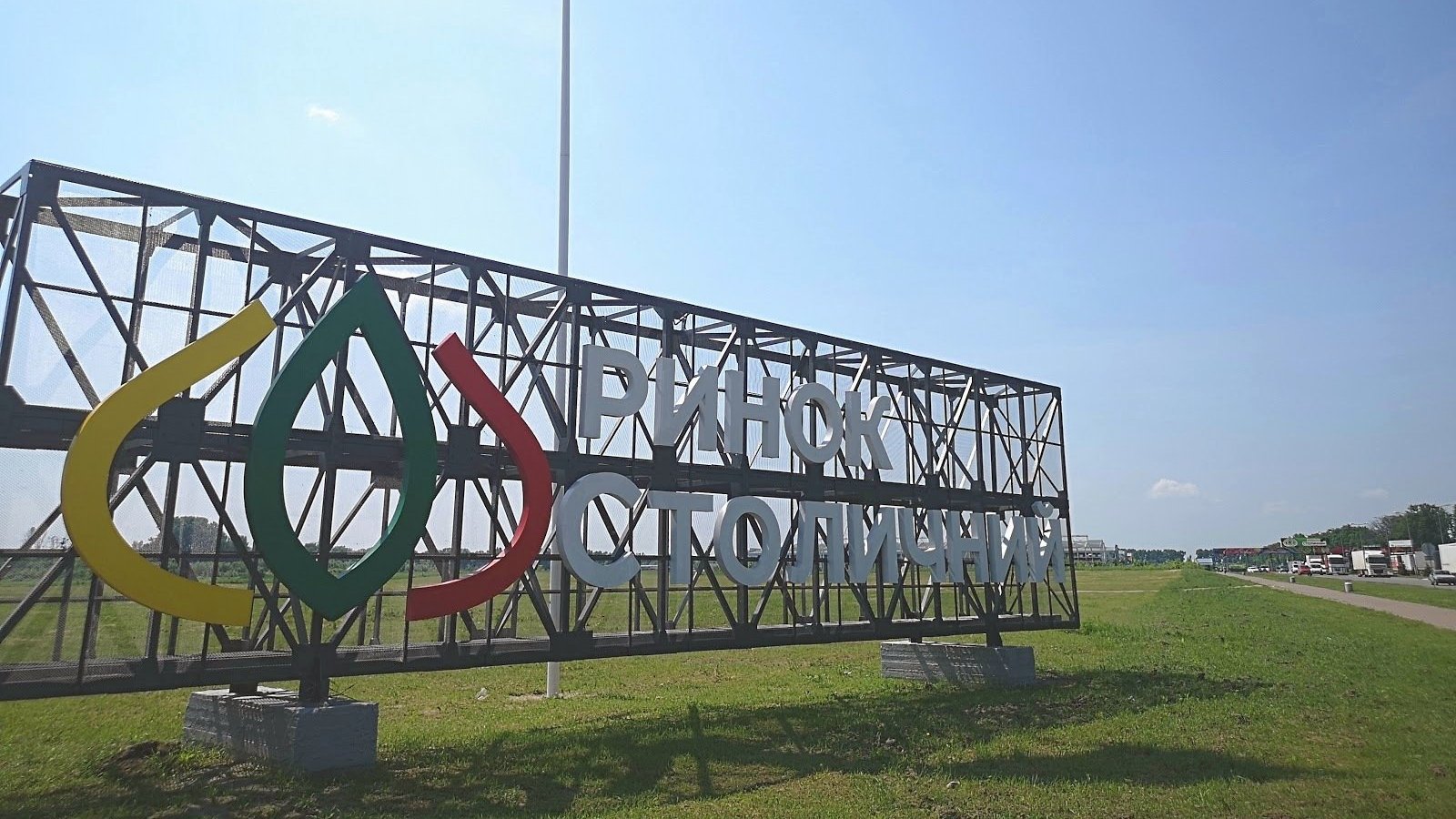
Ukraine’s National Anti-Corruption Bureau (NABU) has concluded its investigation into a high-profile land seizure case involving prominent Kyiv real estate developer Molchanova and former Member of Parliament Ivaniushchenko. The case, which centers on the alleged illegal capture of 18 hectares of land belonging to the “Stolychnyi” market in Kyiv, is now ready to proceed to trial. This development marks a significant milestone in Ukraine’s ongoing efforts to combat corruption and hold powerful figures accountable for economic crimes against the state.
The investigation has been closely watched by anti-corruption advocates and legal experts as a test of Ukraine’s judicial system’s ability to prosecute cases involving influential business and political figures. The “Stolychnyi” market case represents one of numerous land disputes that have plagued Ukraine’s capital city over the past two decades, where valuable urban real estate has frequently been at the center of corruption scandals and alleged illegal seizures.
Background of the Stolychnyi Market Land Dispute
The “Stolychnyi” market has long been one of Kyiv’s largest and most commercially significant trading venues, attracting thousands of vendors and customers daily. The 18-hectare plot on which the market operates represents prime urban real estate worth potentially hundreds of millions of dollars. According to investigators, the suspects allegedly employed a sophisticated scheme to gain illegal control over this valuable property, utilizing their political connections and business networks to circumvent legal protections for public land.
Land disputes of this nature became increasingly common in Ukraine during the turbulent post-Soviet transition period, when unclear property rights and weak institutional oversight created opportunities for well-connected individuals to acquire state assets through questionable means. The practice, often referred to as “raiding” in Ukrainian legal parlance, has been identified by international observers as a major impediment to economic development and foreign investment in the country.
Key Figures in the Investigation
Molchanova has established herself as a major player in Kyiv’s real estate development sector, with her companies involved in numerous construction and commercial projects throughout the capital. Her business activities have periodically attracted scrutiny from regulatory authorities and investigative journalists examining the origins of development permits and land acquisition processes. Former parliamentarian Ivaniushchenko, meanwhile, served in Ukraine’s Verkhovna Rada and has been associated with various business interests that intersected with political decision-making during his tenure in office.
The combination of a powerful developer and a former lawmaker in a single corruption case underscores the complex web of relationships between business and politics that anti-corruption reformers have long sought to untangle. NABU’s ability to complete this investigation demonstrates the bureau’s growing capacity to handle sophisticated economic crime cases despite political pressures and institutional challenges that have historically hampered such efforts.
Implications for Ukraine’s Anti-Corruption Efforts
The completion of this investigation comes at a critical time for Ukraine, as the country continues its reform efforts while simultaneously managing the challenges posed by the ongoing conflict with Russia. International partners, including the European Union and the United States, have consistently emphasized the importance of demonstrating tangible progress in anti-corruption prosecutions as a condition for continued support and eventual EU membership. Successfully bringing high-profile cases to trial and securing convictions would signal that Ukraine is serious about establishing rule of law and equal accountability regardless of wealth or political connections.
NABU was established in 2015 as part of a comprehensive anti-corruption reform package demanded by international partners following the Euromaidan revolution. Since its founding, the bureau has investigated hundreds of cases involving government officials, judges, prosecutors, and business figures accused of corruption and abuse of power. However, critics have noted that conviction rates in such cases remain lower than hoped, often due to procedural delays and what some observers describe as interference from powerful interests seeking to protect defendants.
What Comes Next
With the investigation now complete, the case will be transferred to Ukraine’s specialized anti-corruption court, the High Anti-Corruption Court (HACC), which was established specifically to adjudicate cases brought by NABU and the Specialized Anti-Corruption Prosecutor’s Office. The defendants will have the opportunity to present their defense and challenge the evidence gathered during the investigation. Legal experts anticipate that the trial could last several months to over a year, given the complexity of land seizure cases and the extensive documentation typically involved.
Expert Opinion: This case represents a crucial test for Ukraine’s anti-corruption infrastructure, as successful prosecution of figures with significant political and economic influence would demonstrate meaningful progress in institutional reform. The outcome will likely influence international perceptions of Ukraine’s commitment to rule of law and could affect decisions regarding EU accession timelines. Observers should watch closely for any attempts to delay proceedings or exert undue influence on the judicial process, as these patterns have historically undermined similar high-profile cases.