


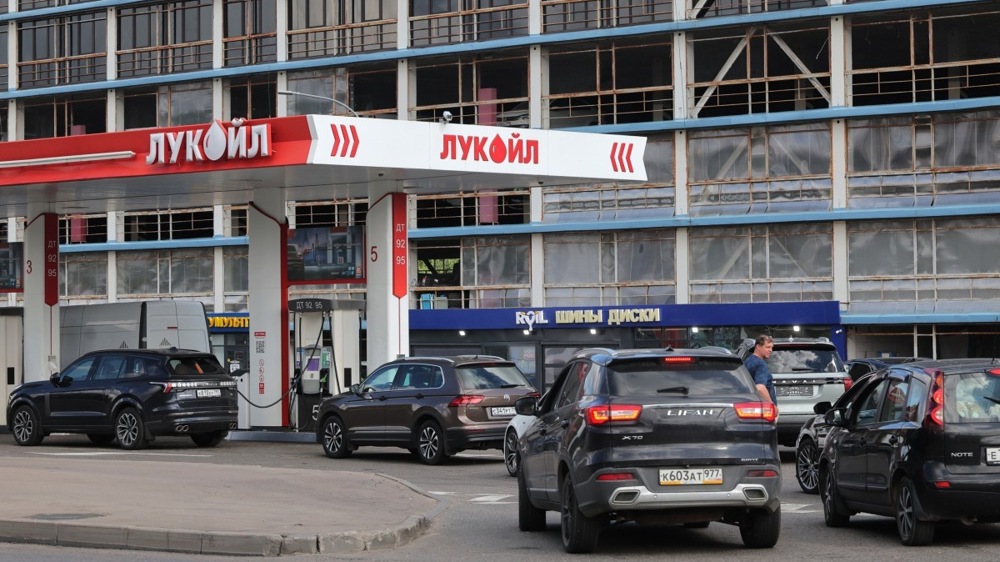
Eyewitnesses have reported to Reuters that long queues have formed at several gas stations across Moscow and the surrounding Moscow Oblast region, as some fuel retailers have introduced limits on how much gasoline customers can purchase at one time. The development marks an unusual occurrence for the Russian capital, where fuel availability has traditionally been stable and queues at gas stations are rare. The restrictions appear to affect multiple locations throughout the metropolitan area, though the exact scope of the limitations remains unclear as of this report.
The situation has sparked concern among Russian motorists, many of whom have taken to social media to share their experiences waiting in line to fill their vehicles. Some reports indicate that certain stations are limiting purchases to specific amounts per customer, while others have reportedly run out of particular fuel grades entirely. The emergence of these queues comes at a time when Russia’s fuel market has faced various pressures, including seasonal demand fluctuations and ongoing adjustments in the country’s petroleum sector.
Background on Russia’s Fuel Market Dynamics
Russia, one of the world’s largest oil producers and exporters, has historically maintained a complex relationship between its domestic fuel market and international energy dynamics. The country possesses vast petroleum reserves and operates numerous refineries across its territory, yet domestic fuel prices and availability have occasionally experienced disruptions due to various factors. These include refinery maintenance schedules, export priorities, government pricing policies, and logistical challenges in distributing fuel across the nation’s enormous geographic expanse.
In recent years, the Russian government has implemented various mechanisms to ensure domestic fuel stability, including export restrictions and price controls during periods of market stress. The so-called “damper mechanism” was designed to balance the interests of oil companies seeking to maximize export revenues with the need to maintain adequate domestic supplies at affordable prices. However, this balancing act has sometimes proven challenging, particularly during periods of high international oil prices or when refineries face operational issues.
Regional Impact and Consumer Response
The Moscow metropolitan area, home to over 20 million people and featuring one of Europe’s largest vehicle fleets, represents a critical market for Russian fuel distributors. Any disruption in this region tends to attract significant attention due to the sheer number of affected consumers and the economic importance of maintaining transportation networks in the capital. Local authorities and fuel companies typically work to address supply issues quickly given the political sensitivity of fuel availability in major population centers.
Consumer reactions to the reported restrictions have varied, with some motorists expressing frustration while others have adopted a more pragmatic approach, adjusting their refueling schedules to avoid peak queuing times. Industry observers note that temporary restrictions at individual stations are not unprecedented and can result from various factors including delivery schedule disruptions, technical issues, or localized demand spikes. However, the simultaneous appearance of queues at multiple locations has raised questions about whether broader supply factors may be at play.
Looking Ahead: Market Observers Weigh In
Energy market analysts suggest that the situation warrants close monitoring but caution against drawing immediate conclusions about the overall health of Russia’s fuel supply system. Temporary local shortages can occur for numerous reasons that do not necessarily indicate systemic problems. Nevertheless, the incident highlights the ongoing challenges facing Russia’s domestic energy market as it navigates a complex landscape of production decisions, infrastructure constraints, and shifting economic conditions. Authorities have not yet issued official statements regarding the specific causes of the current restrictions or their expected duration.
Expert Opinion: The appearance of fuel purchase limits in Moscow likely reflects localized supply chain adjustments rather than a fundamental shortage crisis, though it underscores the delicate balance Russia must maintain between export commitments and domestic market stability. Should these restrictions persist or expand to other regions, it could signal deeper structural challenges in the country’s petroleum distribution network that may require government intervention to resolve.