

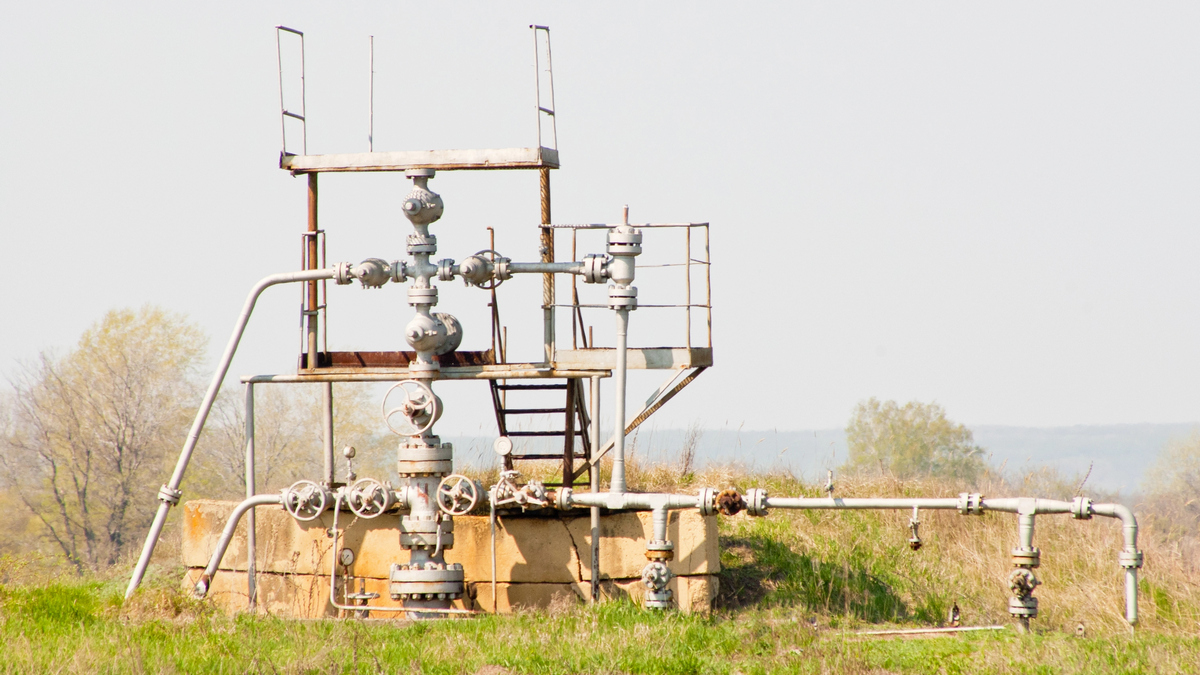
The Stynava oil field in Ukraine’s Lviv region has officially ceased operations following a government decision to suspend the operating license of Boryslavska Oil Company. The suspension comes as part of broader sanctions enforcement measures, marking a significant development in Ukraine’s ongoing efforts to regulate its energy sector amid geopolitical pressures. The decision affects one of the historically significant oil-producing regions in Western Ukraine, raising questions about the future of domestic energy production and the implications for local communities dependent on the industry.
The license suspension represents a concrete application of sanctions policies that have reshaped business operations across multiple sectors since the escalation of the conflict in 2022. Ukrainian authorities have been increasingly vigilant about corporate ownership structures and potential connections to sanctioned entities, leading to heightened scrutiny of companies operating in strategic industries such as energy, mining, and critical infrastructure.
Historical Significance of the Boryslavska Oil Region
The Boryslavska oil region holds a special place in global petroleum history, representing one of the earliest commercially developed oil fields in the world. Oil extraction in this area of Galicia dates back to the mid-19th century, predating many famous oil discoveries including those in Texas and the Middle East. By the late 1800s, the region around Boryslav had become one of the world’s leading oil producers, attracting international investment and transforming the local economy. The city of Boryslav itself grew from a small settlement into a thriving industrial center, with its population swelling as workers arrived seeking employment in the booming petroleum sector.
Throughout the 20th century, the Boryslavska oil fields continued to produce, though at declining rates as reserves were gradually depleted. Despite the reduction in output, the region maintained its importance for Ukrainian energy independence, contributing to domestic fuel supplies and supporting thousands of jobs in extraction, refining, and related services. The Stynava field, one of several deposits in the broader Boryslavska basin, had continued modest production operations until the recent license suspension.
Sanctions Enforcement and Corporate Accountability
The suspension of Boryslavska Oil Company’s license reflects Ukraine’s strengthened approach to sanctions compliance following the full-scale Russian invasion in February 2022. Ukrainian authorities have implemented rigorous vetting procedures to identify companies with potential links to Russian capital, sanctioned individuals, or entities that might contribute to the adversary’s war effort. Energy companies have faced particular scrutiny given the strategic nature of oil and gas resources, with several licenses revoked or suspended across the country since the conflict intensified.
The Ukrainian government has established multiple agencies tasked with monitoring corporate structures and beneficial ownership, working in coordination with international partners to ensure that sanctions regimes are effectively enforced. Companies found to have connections to sanctioned parties face not only license revocations but potential asset seizures and criminal investigations. Industry analysts note that while these measures create short-term disruptions, they are essential for maintaining international credibility and ensuring that Ukraine’s natural resources do not indirectly benefit hostile actors.
Economic and Community Impact
The cessation of operations at the Stynava field will inevitably affect workers and communities that have relied on the oil industry for generations. The Lviv region, while more diversified than some eastern Ukrainian areas, still counts natural resource extraction among its economic pillars. Local officials and labor representatives have expressed concerns about unemployment and the broader economic ripple effects, calling for transition support programs and potential retraining initiatives for displaced workers.
Energy experts suggest that while the immediate impact may be challenging, the long-term trajectory for Ukraine’s energy sector likely involves continued diversification away from fossil fuels and toward renewable sources, aligned with European Union standards and climate commitments. The current situation, though difficult, may accelerate this transition in affected communities. Meanwhile, authorities continue to review other companies operating in the energy sector, suggesting that additional license actions may follow as sanctions enforcement efforts continue.
Expert Opinion: The suspension of Boryslavska Oil Company’s license demonstrates Ukraine’s commitment to rigorous sanctions enforcement, even when it creates domestic economic challenges. This approach strengthens Ukraine’s position with Western allies and international financial institutions, potentially unlocking greater support for economic reconstruction. However, the government must balance sanctions compliance with social protection measures to prevent the emergence of depressed regions that could become sources of instability in the post-war period.