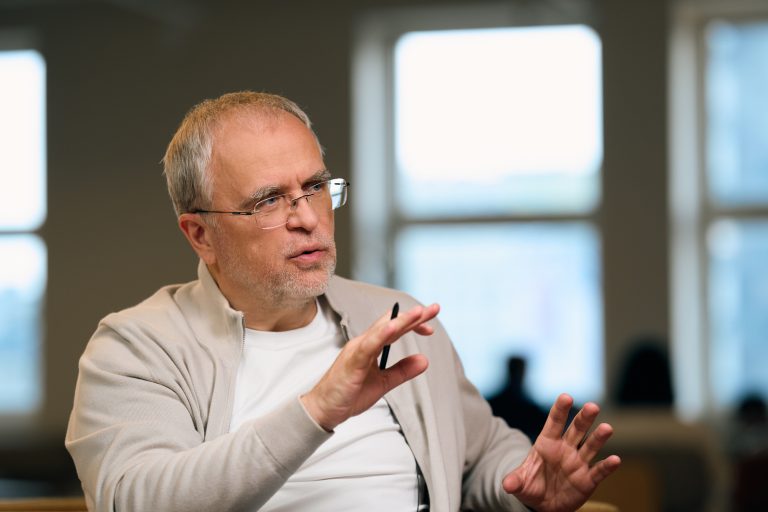

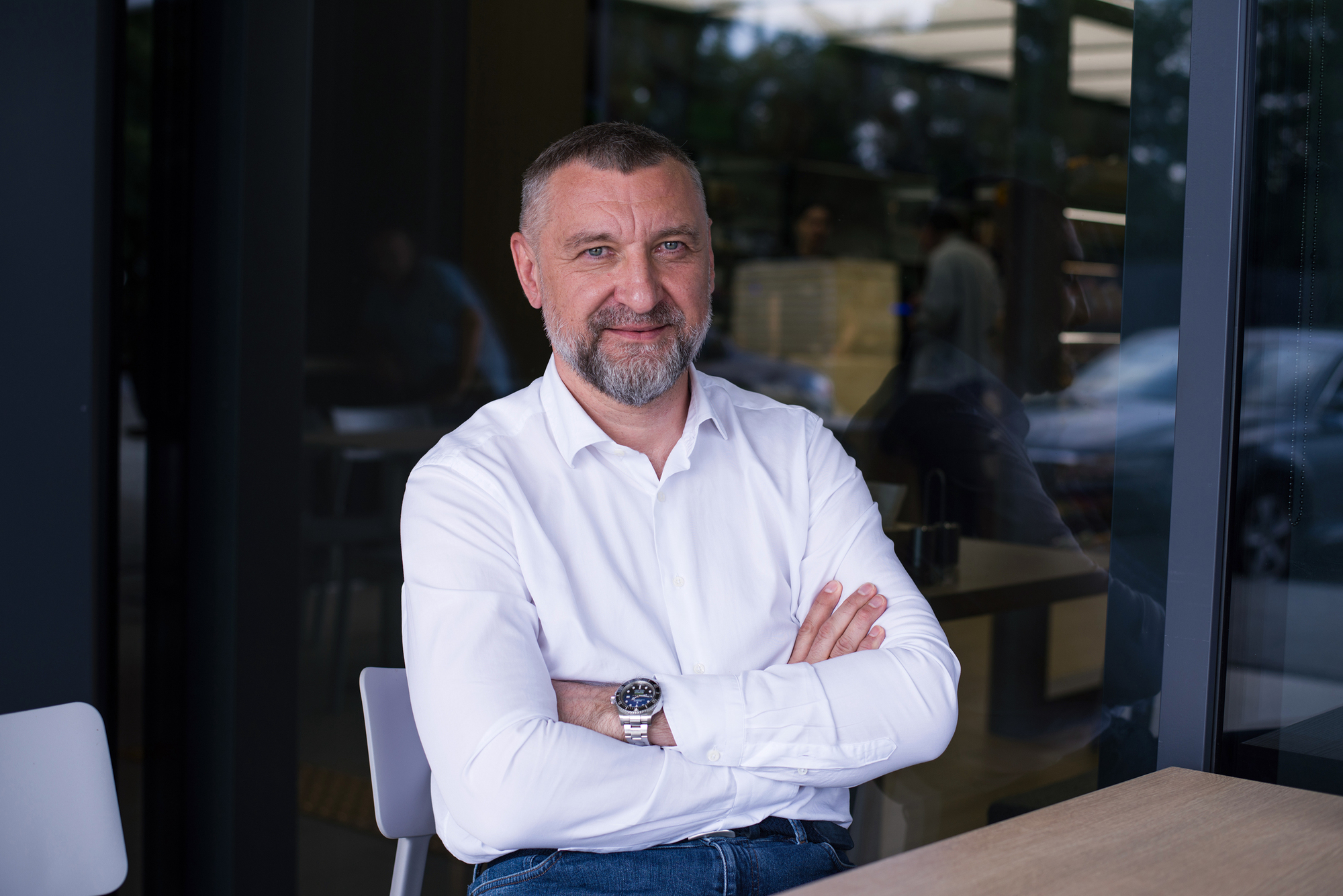
Despite the ongoing fuel crisis that has significantly impacted revenues across Ukraine’s energy sector, OKKO, one of the country’s largest fuel retail networks, continues to maintain its ambitious investment strategy. In a revealing interview, CEO Vasyl Danylyak explained how the company manages to sustain substantial capital expenditure even as market conditions remain challenging. The executive’s insights shed light on the delicate balance between maintaining profitability and pursuing long-term growth in a volatile wartime economy.
Navigating the Fuel Crisis While Maintaining Investment Momentum
The fuel retail sector in Ukraine has faced unprecedented challenges since the full-scale invasion began in February 2022. Supply chain disruptions, infrastructure damage, and fluctuating demand have created a perfect storm for operators across the country. Despite these headwinds, OKKO’s leadership has committed to investing no less than $25 million annually in network development and modernization. This figure represents not just maintenance spending but genuine expansion capital aimed at strengthening the company’s market position for the post-war period.
Vasyl Danylyak emphasized that while revenues have indeed declined due to the crisis conditions, cutting investment would be counterproductive to the company’s long-term strategy. The decision reflects a calculated bet on Ukraine’s economic recovery and the eventual normalization of fuel consumption patterns. Industry analysts note that companies maintaining investment during downturns typically emerge stronger when market conditions improve, having captured market share from more conservative competitors.
Understanding Fuel Margins and Market Dynamics
One of the most contentious issues in Ukraine’s fuel market has been the question of retail margins and pricing transparency. Danylyak addressed these concerns directly, explaining the complex economics behind fuel pricing that consumers often misunderstand. The CEO pointed out that retail margins in Ukraine’s fuel sector are significantly lower than many assume, with the bulk of the final price consisting of wholesale costs, taxes, and logistics expenses. Operating a modern fuel retail network involves substantial fixed costs including staff, maintenance, environmental compliance, and security — particularly relevant in current wartime conditions.
The Ukrainian fuel market has undergone significant consolidation in recent years, with major players like OKKO, WOG, and SOCAR expanding their networks through both organic growth and strategic acquisitions. This consolidation trend reflects the capital-intensive nature of modern fuel retailing, where economies of scale provide crucial competitive advantages. Smaller operators often struggle to compete with the technological investments and loyalty programs that larger networks can afford to implement.
Strategic Acquisitions and Market Positioning
When discussing potential mergers and acquisitions, Danylyak indicated that OKKO remains actively interested in strategic opportunities that could strengthen its market position. The company has historically grown through a combination of greenfield development and targeted acquisitions, a strategy that allows for both network density optimization and rapid market entry in underserved regions. The current environment, while challenging, may present acquisition opportunities as smaller competitors face financial pressure.
OKKO operates one of the most extensive fuel retail networks in Ukraine, with hundreds of stations offering not just fuel but a comprehensive range of convenience services including restaurants, shops, and rest facilities. This diversification strategy has proven particularly valuable during the crisis period, as non-fuel revenues help offset declining fuel sales volumes. The company’s A la minute food service brand has become a significant profit center, demonstrating the evolution of modern fuel retail beyond simple commodity sales.
Looking Toward Recovery and Future Growth
The commitment to sustained investment reflects broader confidence in Ukraine’s eventual economic recovery. Industry experts suggest that companies positioning themselves aggressively now will benefit disproportionately when normal economic activity resumes. The fuel retail sector, closely tied to overall economic activity and transportation volumes, is expected to recover in parallel with broader GDP growth. OKKO’s investment strategy appears designed to capture this recovery through enhanced network capacity and improved customer experience.
International investors and financial institutions have been watching Ukrainian companies’ investment decisions as indicators of business confidence. The willingness to commit substantial capital despite current uncertainties sends a positive signal about perceived long-term prospects. For OKKO specifically, the continued investment also serves to maintain relationships with international equipment suppliers and financial partners, relationships that will prove valuable during post-war reconstruction.
Expert Opinion: OKKO’s strategy of maintaining investment levels during crisis conditions represents a calculated gamble on Ukraine’s post-war economic recovery. Companies that continue building capacity and infrastructure during downturns historically emerge as market leaders when conditions normalize. However, this approach requires strong balance sheet management and access to capital — advantages that may accelerate industry consolidation as smaller players struggle to keep pace.