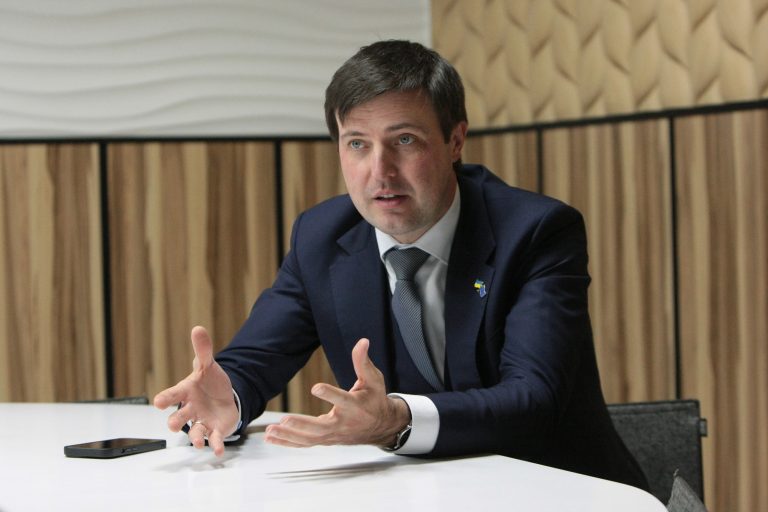


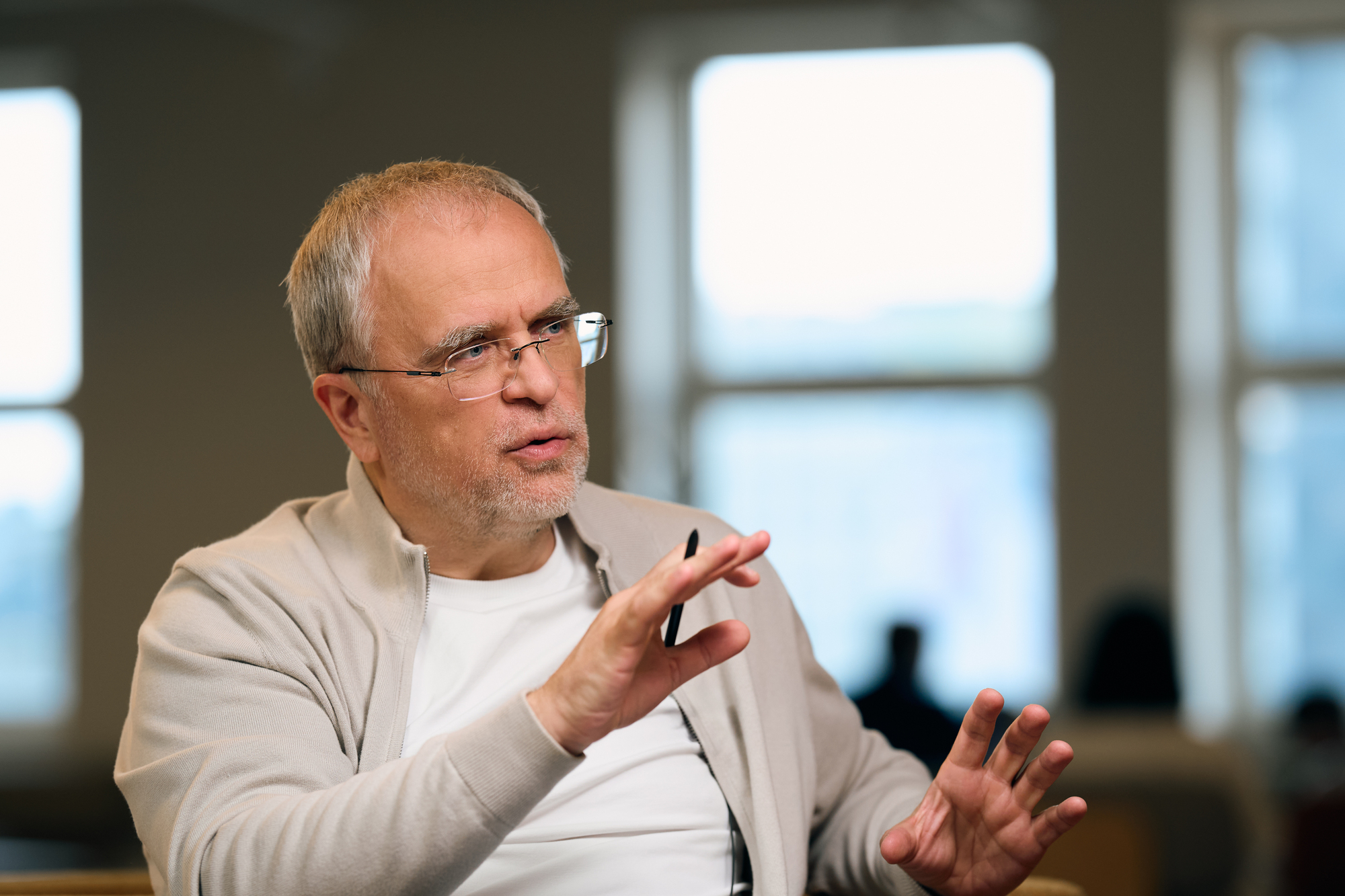
In a recent interview, Kyivstar CEO Alexander Komarov provided a candid assessment of the challenges facing Ukraine’s largest telecommunications company. The executive addressed several critical issues including declining subscriber numbers, new strategic acquisitions, the prospects for 5G deployment, and an ambitious initiative to develop a Ukrainian artificial intelligence model. His remarks come at a pivotal moment for the company, which continues to navigate the complex realities of operating in a wartime economy while maintaining its position as the country’s leading mobile operator.
Kyivstar, which serves approximately 24 million subscribers across Ukraine, has been a cornerstone of the nation’s telecommunications infrastructure since its founding in 1997. The company, now owned by VEON, a multinational telecommunications group, has faced unprecedented challenges since Russia’s full-scale invasion began in February 2022. The conflict has resulted in significant infrastructure damage, population displacement, and economic uncertainty that has directly impacted the telecommunications sector. Despite these obstacles, the company has worked to maintain network coverage and expand its digital services portfolio.
Subscriber Decline and Tariff Pressures
Komarov acknowledged that Kyivstar has experienced a notable reduction in its subscriber base, a trend that reflects broader demographic and economic shifts within Ukraine. The ongoing conflict has forced millions of Ukrainians to flee abroad, while internal displacement has created new challenges for service delivery and network optimization. The CEO noted that while tariffs have increased, the company’s profitability has paradoxically decreased, highlighting the complex financial dynamics at play in the current environment. Rising operational costs, including energy expenses, infrastructure repairs, and security measures, have outpaced revenue growth despite higher consumer prices.
The telecommunications industry in Ukraine has traditionally been highly competitive, with Kyivstar, Vodafone Ukraine, and Lifecell comprising the three major mobile operators. However, wartime conditions have altered the competitive landscape significantly. Companies must now balance the need for sustainable business operations with their role as critical infrastructure providers. The government has also imposed certain restrictions and expectations on telecom operators, including requirements for maintaining coverage in challenging areas and supporting national security initiatives.
Strategic Acquisitions and Expansion Plans
Despite the challenging environment, Komarov outlined Kyivstar’s strategy for growth through strategic acquisitions. The company has been actively pursuing opportunities to expand its service offerings and strengthen its market position. These acquisitions are designed to diversify revenue streams beyond traditional mobile services, positioning Kyivstar as a comprehensive digital services provider. The telecommunications sector globally has been moving toward convergence, with operators increasingly offering bundled services including mobile connectivity, fixed-line internet, streaming content, and financial services.
The company’s expansion strategy also reflects broader trends in the European telecommunications market, where consolidation and vertical integration have become common responses to competitive pressures and changing consumer expectations. By acquiring complementary businesses and technologies, Kyivstar aims to create additional value for customers while building resilience against market volatility. This approach has become particularly important in the Ukrainian context, where traditional business models face constant disruption.
5G Prospects and AI Development
Looking toward the future, Komarov discussed the prospects for 5G deployment in Ukraine, a technology that has been eagerly anticipated but faces significant implementation challenges. The rollout of 5G networks requires substantial capital investment, spectrum allocation, and regulatory coordination—all of which are complicated by wartime conditions. However, the CEO emphasized that Kyivstar remains committed to technological advancement and is preparing for eventual 5G deployment when conditions permit. The technology promises to enable new applications in areas such as industrial automation, telemedicine, and smart city infrastructure that could be particularly valuable for Ukraine’s post-war reconstruction.
Perhaps most intriguingly, Komarov revealed Kyivstar’s interest in developing a Ukrainian artificial intelligence model. This initiative reflects growing recognition of AI’s strategic importance and the desire to create domestically developed solutions rather than relying entirely on foreign technology. A Ukrainian AI model could be optimized for the local language and cultural context, potentially offering advantages for applications in customer service, content moderation, and various enterprise solutions. The project would position Ukraine as a participant in the global AI development landscape and could contribute to the country’s ambitions to strengthen its technology sector as a driver of economic recovery and growth.
Expert Opinion: Kyivstar’s situation exemplifies the broader challenge facing Ukrainian businesses: maintaining operational viability while investing in future technologies during wartime. The company’s dual focus on immediate survival through strategic acquisitions and long-term positioning through 5G and AI initiatives suggests a calculated bet that Ukraine’s telecommunications market will eventually stabilize and offer significant growth opportunities. The success of these strategies will likely depend on the duration of the conflict and the pace of post-war economic recovery.