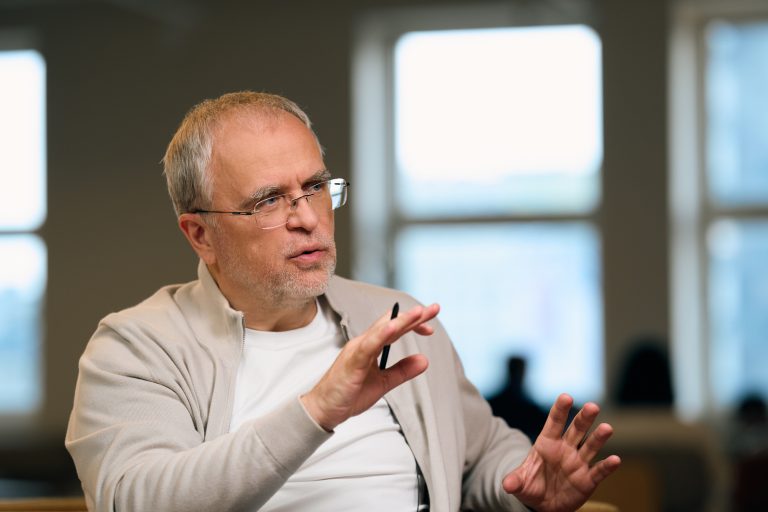

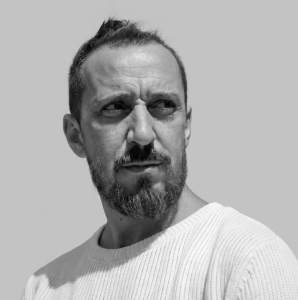

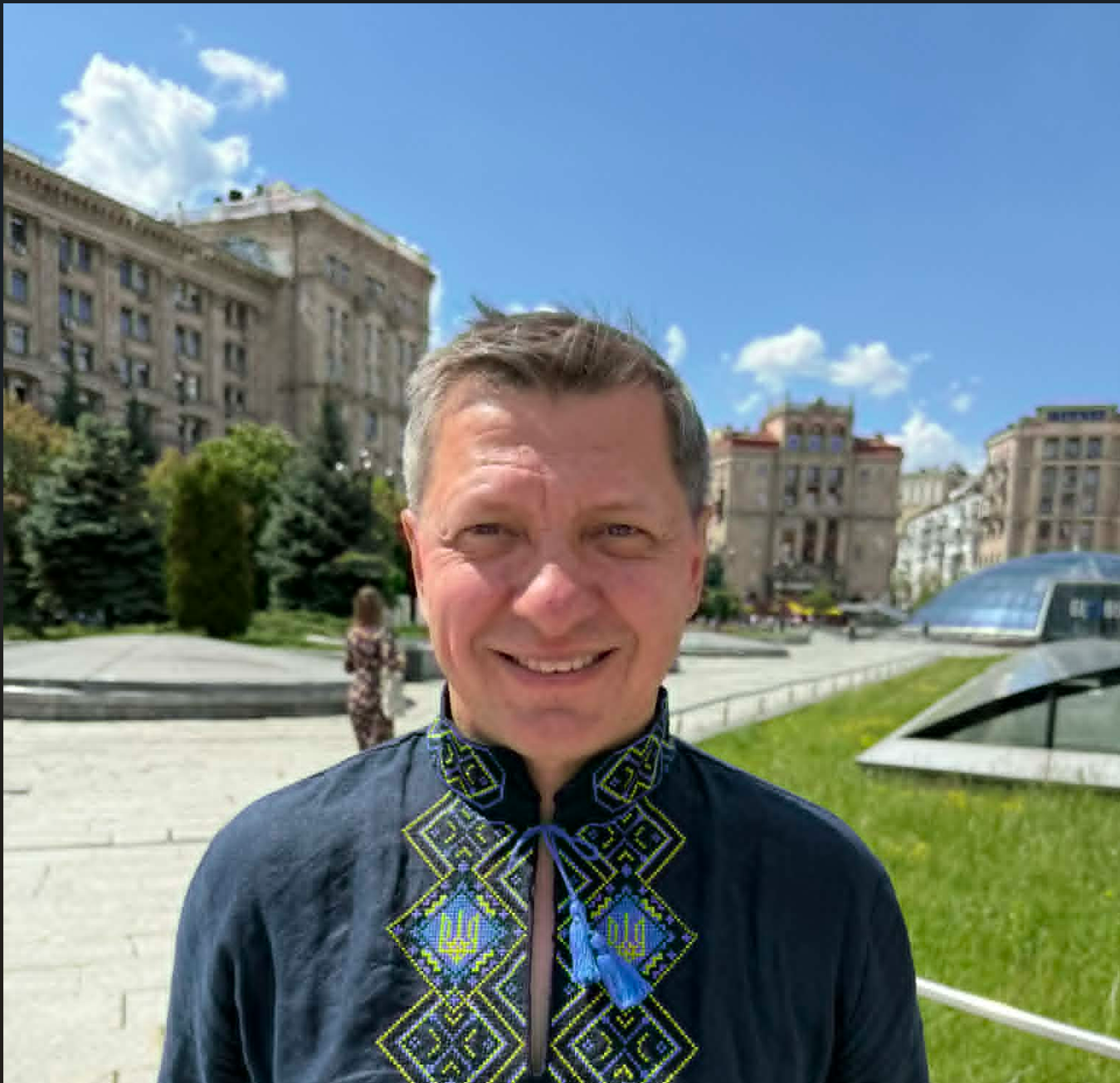
Alexander Kogut, President of the Association of Ukrainian Gambling Business Operators, has made a striking declaration about the future of Ukraine’s gaming industry. In a recent interview, Kogut outlined the massive economic opportunity at stake while warning that the government risks losing the battle against illegal casinos if proper regulatory measures aren’t implemented. The gambling market in Ukraine, valued at approximately 62 billion hryvnias (roughly 1.5 billion euros), has become a focal point of economic and national security discussions.
The statement comes amid ongoing debates about gambling restrictions for military personnel and the broader challenge of eliminating Russian-linked illegal gambling operations that continue to operate within Ukrainian borders. Kogut’s comments highlight the complex intersection of economic policy, national security, and social concerns that define Ukraine’s approach to the gambling sector during wartime.
The Scale of Ukraine’s Gambling Market and Russian Influence
The 62 billion hryvnia figure represents not just an economic opportunity but also a national security concern. Before Ukraine’s gambling market was legalized in 2020 after a 11-year ban, the industry operated entirely in the shadows, with significant portions of revenue allegedly flowing to Russian-linked criminal enterprises. The legalization effort was designed to bring this massive underground economy into the light, creating tax revenue and jobs while severing financial connections to hostile actors.
According to industry analysts, illegal gambling operations in Ukraine have historically maintained ties to Russian oligarchs and organized crime networks. These underground casinos and online platforms continued operating throughout the prohibition period, generating billions in untaxed revenue that reportedly funded various illicit activities. The Ukrainian government’s legalization strategy aimed to create a competitive legal market that would naturally crowd out these illegal operators, though progress has been slower than anticipated.
Military Personnel Restrictions Spark Controversy
One of the most contentious issues facing Ukraine’s gambling industry is the proposed or existing restrictions on military personnel participating in gambling activities. The rationale behind such measures centers on protecting servicemembers from financial hardship and potential exploitation during an already stressful period of active military service. Critics argue that gambling addiction among soldiers could compromise operational readiness and family stability.
However, Kogut and other industry representatives have raised questions about the effectiveness and fairness of such blanket prohibitions. They argue that responsible gambling frameworks, including spending limits and self-exclusion programs, might serve soldiers better than outright bans. The debate reflects broader societal questions about personal freedom, paternalistic regulation, and the unique pressures facing military families during the ongoing conflict with Russia.
The Regulatory Challenge: Legal vs. Illegal Operations
Kogut’s warning about the government potentially “losing to illegal casinos” reflects a fundamental challenge in gambling regulation worldwide. When legal operators face excessive taxation or overly burdensome regulations, consumers often turn to illegal alternatives that offer better odds or fewer restrictions. This dynamic creates a perverse outcome where well-intentioned regulations end up strengthening the very criminal enterprises they were meant to combat.
Ukraine’s Commission for Regulation of Gambling and Lotteries (KRAIL) has been working to establish a balanced regulatory framework since the market’s legalization. The commission has issued numerous licenses while simultaneously working with law enforcement to shut down illegal operations. However, the sheer scale of the black market, combined with sophisticated online platforms that can operate from anywhere, makes complete enforcement virtually impossible. Industry experts suggest that creating an attractive legal market remains the most effective strategy for combating illegal gambling.
Economic Implications and Future Outlook
The potential capture of a 62 billion hryvnia market represents a significant opportunity for Ukraine’s war-strained economy. Legal gambling operations contribute through licensing fees, corporate taxes, employment, and related economic activity in hospitality and tourism sectors. Some estimates suggest that a fully regulated gambling market could contribute several billion hryvnias annually to state coffers – funds desperately needed for defense and reconstruction efforts.
Looking ahead, the success of Ukraine’s gambling industry will depend on finding the right balance between protecting vulnerable populations, maximizing tax revenue, and creating conditions that favor legal operators over their illegal competitors. International experience from jurisdictions like the United Kingdom, Malta, and various U.S. states offers valuable lessons, though Ukraine’s unique wartime circumstances require tailored solutions. The outcome of this regulatory balancing act will have implications far beyond the gaming tables, potentially influencing Ukraine’s broader post-war economic recovery.
Expert Opinion: Ukraine’s gambling market represents a critical test case for post-Soviet economic reform under extraordinary wartime conditions. Success in wresting this sector from Russian-linked criminal networks could establish a template for reclaiming other shadow economy segments, potentially accelerating Ukraine’s European integration. However, failure to create an attractive legal framework risks entrenching illegal operators and undermining both tax revenue and national security for years to come.