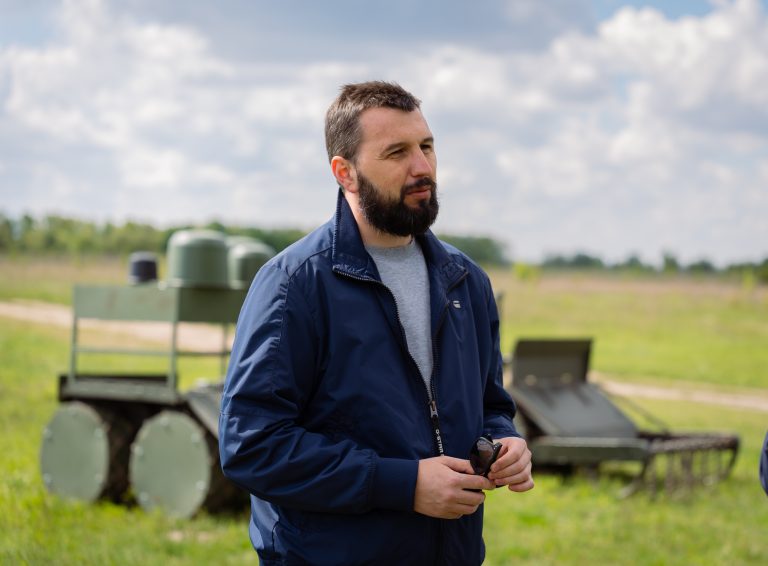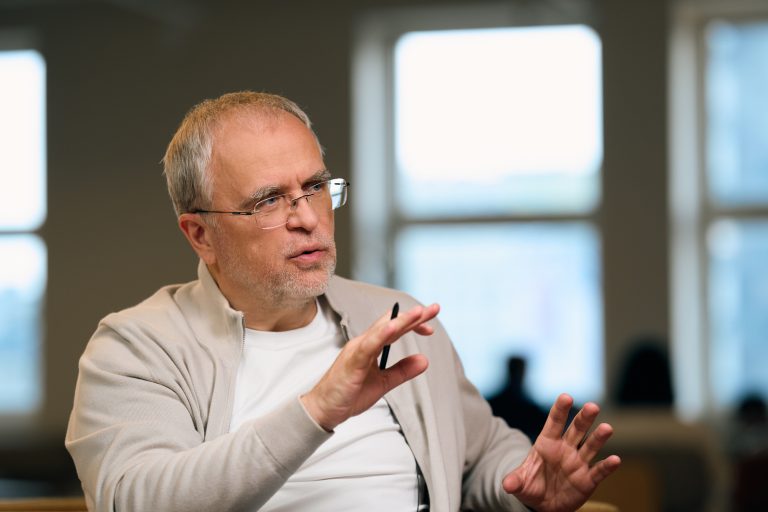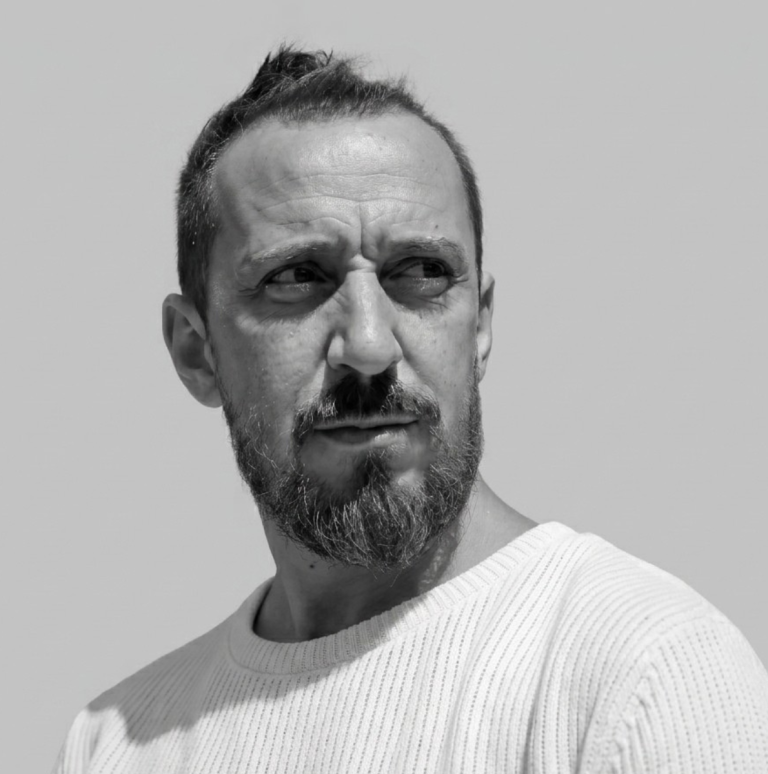



Rostyslav Vovk, co-owner of Kormotekh, one of Eastern Europe’s largest pet food manufacturers, has opened up about his ambitious plans for the company’s future. In a revealing interview, the Ukrainian entrepreneur discussed the delicate process of preparing a €450 million business for generational succession, the art of brand creation in competitive markets, and his ongoing mission to instill Western corporate culture within a traditionally Eastern European enterprise. His vision offers a fascinating glimpse into how regional businesses can compete on the global stage while maintaining their unique identity.
Kormotekh, headquartered in Ukraine, has grown from modest beginnings into a powerhouse in the pet food industry, producing dozens of brands that are distributed across Europe, Asia, and beyond. The company’s flagship brands have become household names in multiple countries, competing directly with multinational giants. Vovk’s philosophy of becoming “Nestlé without becoming Nestlé” encapsulates his strategy: achieving the scale, quality, and market presence of global leaders while preserving the agility, innovation, and entrepreneurial spirit that fueled the company’s rise.
Building Brands in a Competitive Landscape
The pet food industry has experienced remarkable growth over the past two decades, driven by changing attitudes toward pet ownership worldwide. Pet humanization – the trend of treating pets as family members – has transformed what was once a commodity market into a sophisticated consumer goods sector with premium segments, specialized nutrition, and lifestyle branding. Kormotekh recognized this shift early and invested heavily in developing brands that could compete with established Western players. According to industry analysts, the global pet food market is expected to exceed $150 billion by 2027, with Eastern European manufacturers increasingly capturing market share through competitive pricing and quality improvements.
Vovk emphasized that successful brand building requires more than marketing – it demands consistent product quality, understanding of local consumer preferences, and the ability to adapt quickly to market changes. Unlike multinational corporations that often apply standardized approaches across markets, Kormotekh has leveraged its regional expertise to create products tailored to specific consumer segments. This approach has proven particularly effective in emerging markets where local tastes and purchasing behaviors differ significantly from Western patterns.
Succession Planning and Corporate Governance
Perhaps the most personal aspect of Vovk’s interview concerns succession planning – a challenge that confronts many successful entrepreneurs who have built businesses from scratch. Research indicates that only about 30% of family businesses survive into the second generation, and merely 12% make it to the third. Vovk appears acutely aware of these statistics and has begun implementing structures designed to ensure Kormotekh’s longevity beyond his direct involvement. This includes professionalizing management, establishing clear governance frameworks, and gradually introducing family members to leadership responsibilities.
The process of instilling Western corporate culture represents a deliberate strategy to make the company less dependent on any single individual. By implementing international best practices in accounting, human resources, and strategic planning, Vovk aims to create an organization that can function effectively regardless of who leads it. This transformation requires significant investment in training, systems, and sometimes difficult cultural changes for long-tenured employees accustomed to more informal business practices.
Navigating Challenges and Future Outlook
Operating a major manufacturing business in Ukraine presents unique challenges, particularly given recent geopolitical tensions. However, Kormotekh has demonstrated resilience, maintaining production capabilities and international supply chains despite difficult circumstances. The company’s diversified market presence has provided some buffer against regional instabilities, while investments in logistics and alternative supply routes have helped ensure business continuity. Industry observers note that Ukrainian food manufacturers who successfully navigate current challenges may emerge stronger, with proven crisis management capabilities that could attract international investors and partners.
Looking ahead, Vovk’s vision extends beyond mere survival or incremental growth. His ambition to achieve Nestlé-like scale while avoiding the bureaucratic inertia often associated with large corporations represents a nuanced understanding of business evolution. This means pursuing strategic acquisitions, expanding production capacity, and entering new markets – all while maintaining the entrepreneurial culture that enabled the company’s original success. Whether Kormotekh can achieve this delicate balance remains to be seen, but the clarity of vision and systematic approach to succession planning suggest the company is better positioned than most to realize its ambitious goals.
Expert Opinion: Kormotekh’s trajectory exemplifies the maturation of post-Soviet entrepreneurship, where first-generation founders must now institutionalize their success for long-term sustainability. The company’s €450 million valuation and systematic approach to Western governance standards position it as a potential acquisition target or IPO candidate within the next decade, depending on regional stability and market conditions.