

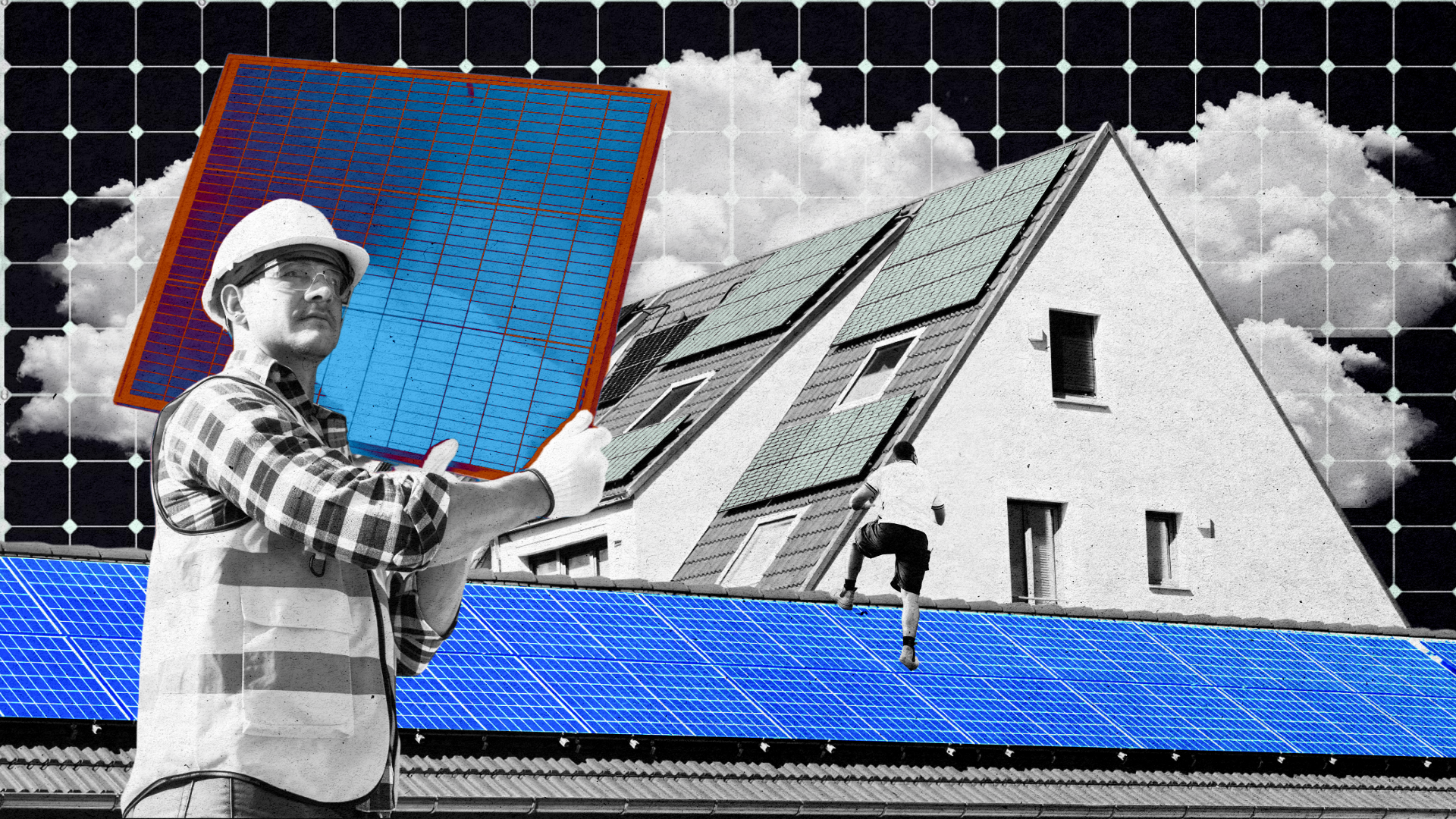
As Ukraine continues to face energy challenges amid ongoing infrastructure attacks, more businesses and households are turning to solar power systems (SPS) as a reliable alternative to diesel generators. According to recent market analysis, businesses can expect to recoup their investment in approximately four years, while residential installations typically reach payback within a decade. This growing trend reflects both the practical necessity of energy independence and the long-term economic benefits of renewable energy adoption in a country where electricity supply remains unpredictable.
The Economics of Solar Power for Ukrainian Businesses
For Ukrainian businesses, the decision to invest in solar power systems has become increasingly compelling from a financial perspective. The four-year payback period represents a significant improvement over previous estimates, driven largely by rising electricity costs and the unreliability of grid power. Companies that previously relied on expensive diesel generators during blackouts are discovering that solar installations with battery storage offer both lower operating costs and greater predictability. A typical commercial installation ranging from 30 to 100 kilowatts can cost between $25,000 and $80,000, depending on capacity and storage requirements. However, the savings on fuel costs alone – with diesel prices remaining elevated – can amount to thousands of dollars monthly for businesses that previously depended on generators during power outages.
The economic calculation becomes even more favorable when considering the current electricity tariffs and their projected trajectory. Ukrainian industrial electricity prices have risen substantially over the past three years, and further increases are anticipated as the country works to align its energy market with European standards. Businesses that lock in their energy costs through solar installations effectively hedge against future price volatility. Additionally, many enterprises report productivity gains from having consistent power supply, eliminating the disruptions that come with scheduled and unscheduled blackouts. Manufacturing facilities, data centers, and cold storage operations have been among the earliest adopters, recognizing that power reliability directly impacts their bottom line.
Residential Solar: A Longer Path to Returns
For Ukrainian households, the payback timeline stretches to approximately ten years, reflecting both the smaller scale of residential installations and the lower electricity tariffs that private consumers currently enjoy compared to businesses. A typical home solar system with 5-10 kilowatt capacity and battery storage runs between $8,000 and $15,000, representing a significant investment for most families. However, the calculation has shifted dramatically since 2022, when prolonged blackouts made the value of energy independence tangible in ways that pure economic analysis cannot capture. Families who invested in solar systems report not just financial benefits but improved quality of life, with reliable power for heating, lighting, medical equipment, and remote work capabilities.
The residential market has also benefited from government incentives and simplified permitting processes introduced in recent years. Net metering programs allow homeowners to sell excess electricity back to the grid, improving the economic proposition during sunny summer months when production often exceeds consumption. Industry experts note that falling global prices for solar panels and battery technology continue to improve the economics, with costs declining approximately 8-10% annually. This trend suggests that households installing systems today may see actual payback periods shorter than current projections, particularly if grid electricity prices continue their upward trajectory.
Factors Influencing Solar System Payback
Several key variables determine how quickly a solar power system reaches payback for any given installation. Geographic location plays a crucial role, with southern and central regions of Ukraine receiving approximately 1,200-1,400 hours of peak sunlight annually compared to northern areas with somewhat lower solar irradiation. The orientation and angle of roof surfaces, potential shading from nearby structures or vegetation, and local weather patterns all influence actual energy production. System design choices matter significantly as well – investing in higher-efficiency panels and quality inverters typically costs more upfront but delivers better long-term performance and reliability. Battery storage capacity represents perhaps the most critical decision, as undersized batteries limit backup capability while oversized systems add unnecessary expense.
Installation quality and ongoing maintenance also impact the economic equation. Reputable installers with proper certifications command premium prices but deliver systems that perform optimally throughout their 25-30 year expected lifespan. Cutting corners on installation or choosing the cheapest components often results in reduced production, premature failures, and warranty complications. Industry analysts recommend that potential buyers obtain multiple quotes, verify installer credentials, and carefully compare not just initial costs but projected lifetime value. As the Ukrainian solar market matures, consumers benefit from increased competition and more transparent pricing, though the quality gap between premium and budget installations remains significant.
Expert Opinion: The Ukrainian solar market is entering a maturation phase where adoption is driven by practical necessity rather than environmental ideology alone. With electricity infrastructure remaining vulnerable and grid reliability uncertain for the foreseeable future, we expect commercial installations to accelerate significantly through 2025-2026, while residential adoption will grow more gradually as financing options improve. The most important development to watch is the declining cost of battery storage, which represents 40-50% of total system costs and remains the primary barrier to faster payback periods for all customer segments.