


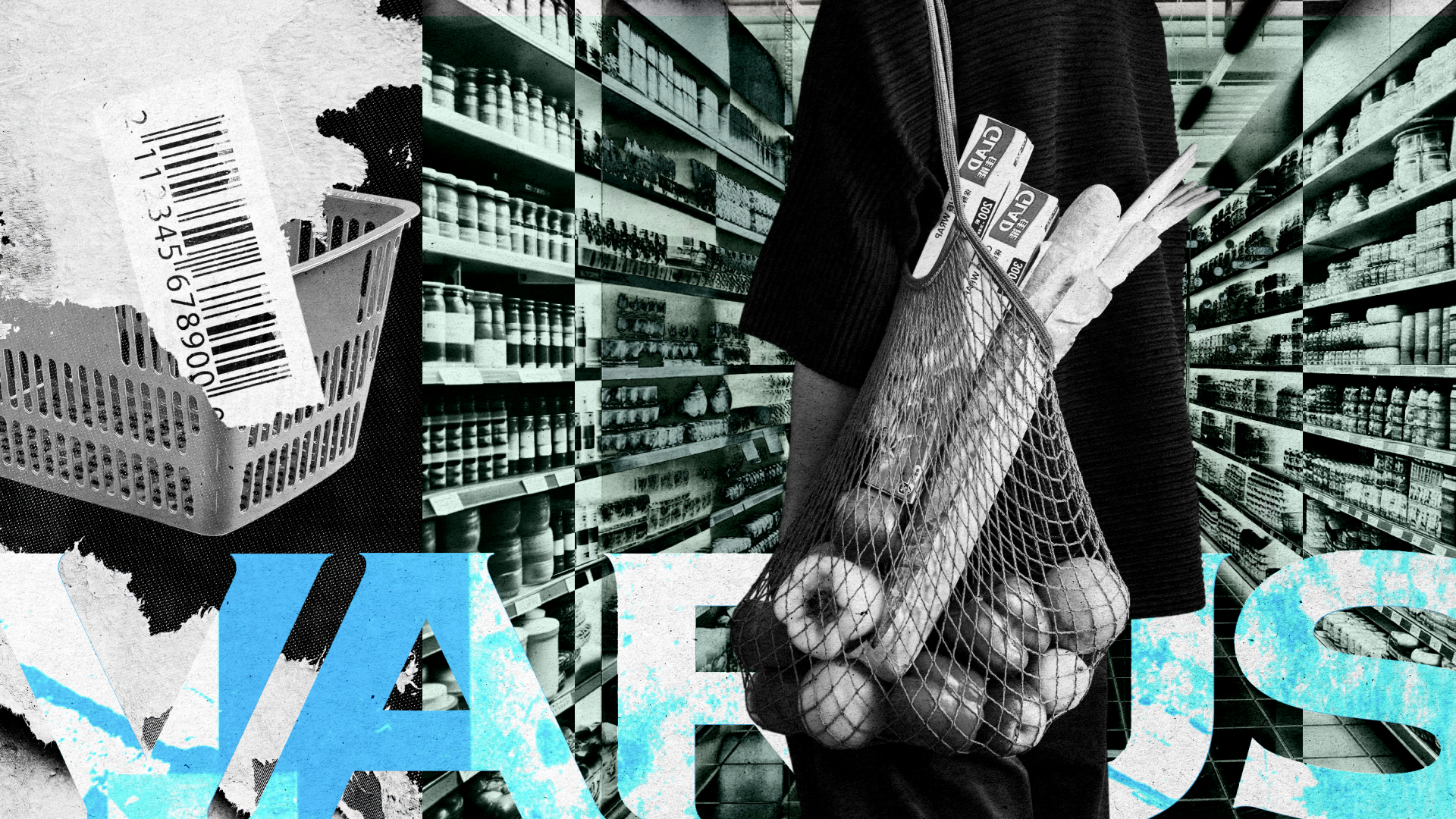
The Ukrainian grocery retail market is experiencing an unprecedented wave of consolidation as major players aggressively pursue acquisition strategies. Recent months have witnessed several high-profile deals involving chains such as Kolo, Badioryi, and Arsen, signaling a fundamental shift in the country’s retail landscape. Industry analysts suggest this acquisition spree reflects both post-war economic realities and strategic positioning for future market dominance in one of Eastern Europe’s largest consumer markets.
The consolidation trend comes at a critical juncture for Ukraine’s retail sector, which has shown remarkable resilience despite the ongoing military conflict. Large retail networks are capitalizing on the financial difficulties faced by smaller regional chains, many of which struggled to maintain operations during the most intense phases of the war. With supply chains disrupted, energy costs soaring, and consumer purchasing power declining, numerous mid-sized retailers found themselves unable to compete with better-capitalized national chains.
Strategic Motivations Behind the Buying Spree
The motivations driving these acquisitions are multifaceted and reflect broader trends in global retail consolidation. For acquiring companies, purchasing existing store networks offers several advantages over organic expansion. Ready-made retail spaces, established supplier relationships, trained staff, and existing customer bases provide immediate market penetration without the time and expense of building new locations from scratch. In the current Ukrainian context, where construction materials remain expensive and labor markets are tight due to mobilization, acquisition represents a more efficient path to growth.
Market experts point to the concentration of purchasing power as another critical factor. As chains grow larger, they gain leverage in negotiations with suppliers, enabling them to secure better wholesale prices and exclusive product arrangements. This creates a virtuous cycle where larger retailers can offer lower prices to consumers, further pressuring smaller competitors and potentially creating additional acquisition targets. The grocery retail sector typically operates on thin margins, often between two and four percent, making scale advantages particularly important for profitability.
Historical Context and Market Evolution
Ukraine’s retail sector has undergone dramatic transformation since independence in 1991. The early post-Soviet years saw the emergence of outdoor markets and small shops, gradually giving way to modern supermarket formats in the 2000s. International players, including Metro and Auchan, entered the market alongside domestic chains like ATB, Silpo, and Fora. The 2014 conflict in eastern Ukraine triggered the first major consolidation wave, as chains exited occupied territories and repositioned their networks. The current acquisition activity represents the second major consolidation phase, likely to prove even more transformative for the industry structure.
Industry data suggests that the top five grocery retailers now control approximately sixty percent of formal retail sales in Ukraine, a figure that continues to rise with each acquisition. This level of concentration approaches that seen in more mature Western European markets, where leading chains often command seventy to eighty percent of grocery sales. However, Ukraine still maintains a significant informal retail sector, including traditional markets and small independent shops, which provides some competitive pressure and consumer choice outside the major chains.
Future Outlook and Potential Challenges
Looking ahead, market analysts anticipate continued consolidation activity throughout 2024 and beyond. Several regional chains remain potential acquisition targets, particularly those operating in western Ukraine where consumer spending has held up relatively better. However, regulatory scrutiny may eventually emerge as a constraining factor. Ukraine’s Antimonopoly Committee has historically taken a relatively permissive approach to retail mergers, but excessive market concentration could eventually trigger intervention, particularly if consumer prices rise significantly or supplier complaints mount.
The implications for Ukrainian consumers remain mixed. Larger chains typically offer lower prices and wider product selection, benefiting budget-conscious shoppers. However, reduced competition could eventually lead to less price pressure and diminished service quality. For suppliers, particularly domestic food producers, the growing market power of major retailers presents both opportunities and challenges. While access to large national distribution networks can boost sales, the bargaining power dynamics increasingly favor the retail giants, potentially squeezing producer margins and affecting agricultural investment decisions in the long term.
Expert Opinion: The current consolidation wave in Ukrainian retail represents a structural shift rather than a temporary phenomenon. As the market matures and post-war reconstruction accelerates, we can expect the top three to four players to control over seventy percent of formal grocery sales within five years. This concentration will fundamentally reshape supplier relationships and could necessitate regulatory intervention to protect both producers and consumers from potential market power abuses.