




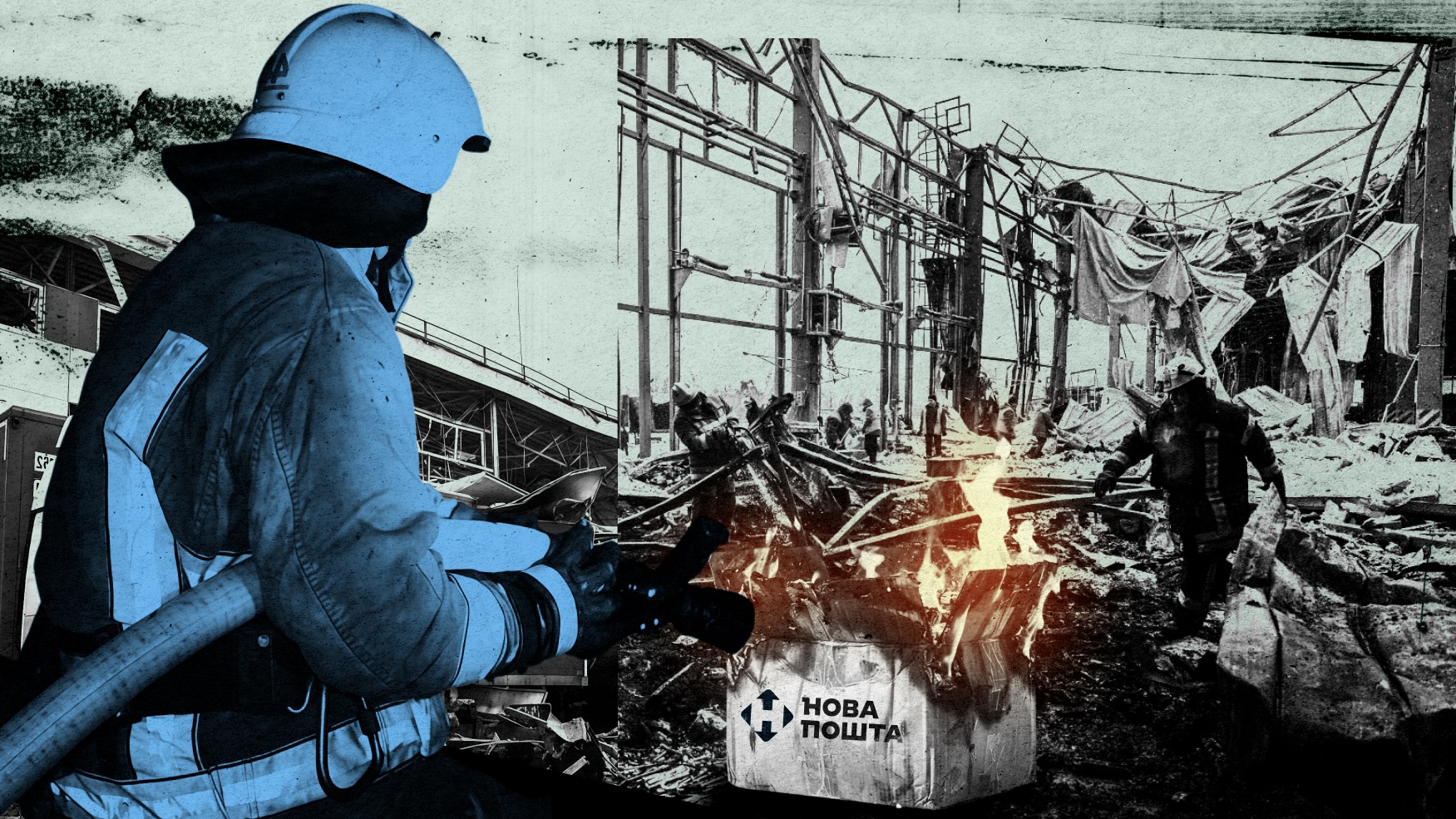
In an era where online shopping has become second nature for millions of consumers worldwide, unexpected disasters at fulfillment centers and warehouses can leave customers in a frustrating limbo. When a paid-for item is destroyed in a warehouse fire, collapse, or other catastrophe before it reaches its destination, shoppers often find themselves wondering about their rights and the steps needed to recover their money. Recent incidents at major logistics hubs have highlighted the vulnerability of the global supply chain and raised important questions about consumer protection in the digital marketplace.
The rise of e-commerce giants like Amazon, Wildberries, Ozon, and countless other online retailers has created an intricate web of warehouses, sorting facilities, and delivery networks spanning the globe. These massive operations handle millions of packages daily, but they are not immune to accidents. Fires, structural failures, natural disasters, and even cyberattacks can bring operations to a halt and destroy countless customer orders in the process. Understanding your rights and knowing the proper procedures for obtaining refunds can save significant time, money, and stress when such unfortunate events occur.
Understanding Your Consumer Rights When Packages Are Destroyed
When merchandise is damaged or destroyed before delivery, the legal responsibility typically falls on the seller or the marketplace until the moment of delivery to the buyer. This principle, established in consumer protection laws across most jurisdictions, means that customers who have paid for goods that never arrived due to warehouse incidents are entitled to full refunds. The key factor is the point of transfer of ownership – in most standard online purchases, this transfer occurs only when the package physically reaches the buyer’s hands or designated pickup point.
According to consumer protection experts, retailers and marketplaces are obligated to either refund the full purchase price or arrange for replacement shipment at no additional cost to the customer. This protection exists regardless of whether the destruction was caused by the seller’s negligence or circumstances beyond their control, such as natural disasters. Insurance policies held by warehouses and logistics companies are designed to cover such losses, meaning consumers should never bear the financial burden of infrastructure failures or accidents occurring within the supply chain.
Step-by-Step Guide to Requesting Your Refund
The process of recovering funds for destroyed orders typically begins with contacting the seller or marketplace’s customer service department. Most major platforms have established procedures for handling such claims, often triggered automatically when tracking systems detect that a package was located in an affected facility. Customers should document everything: order confirmation emails, payment receipts, tracking information, and any correspondence with the seller. This documentation becomes crucial if disputes arise or if the initial refund request is denied.
For marketplace purchases, customers should file their claim through the platform’s official dispute resolution system rather than attempting to contact warehouse operators or logistics companies directly. The marketplace acts as an intermediary and typically has more leverage to resolve issues quickly. Refund processing times vary by platform but generally range from 3 to 14 business days once a claim is approved. If a marketplace is unresponsive or denies a legitimate claim, consumers can escalate matters by filing complaints with consumer protection agencies or initiating chargebacks through their bank or credit card company.
When Sellers or Platforms Refuse to Cooperate
Unfortunately, not all refund requests proceed smoothly. Some sellers may attempt to deflect responsibility, citing force majeure clauses or claiming the package was already in transit when destruction occurred. In such cases, consumers have several escalation options. Credit card chargebacks represent a powerful tool, as card issuers typically side with consumers when goods paid for were never received. Bank transfer reversals may be more complicated but are still possible within certain timeframes. Additionally, consumer protection agencies and regulatory bodies in most countries can investigate complaints and impose penalties on non-compliant sellers.
Legal experts recommend that consumers keep all communication in writing and maintain a detailed timeline of events. If the value of the destroyed order is substantial, consulting with a consumer rights attorney may be worthwhile, particularly if multiple orders were affected or if the seller operates in a different jurisdiction. Many countries also have small claims courts that handle disputes without requiring expensive legal representation, making them accessible options for recovering moderate sums.
Preventing Future Losses and Protecting Your Purchases
While warehouse disasters remain relatively rare given the massive volume of packages processed daily, consumers can take proactive steps to protect themselves. Purchasing through established marketplaces with robust buyer protection programs provides an additional safety net. Using credit cards rather than direct bank transfers offers chargeback capabilities if problems arise. Some platforms also offer optional shipping insurance for high-value items, which can expedite the refund process when incidents occur. Keeping digital copies of all order documentation ensures that claims can be filed quickly and efficiently, regardless of circumstances.
Expert Opinion: The increasing frequency of warehouse incidents globally underscores the need for more robust consumer protection mechanisms in e-commerce legislation. As supply chains grow more complex and concentrated in massive fulfillment centers, regulators will likely impose stricter requirements on marketplaces to maintain insurance coverage and establish clearer refund procedures. Consumers who document their purchases carefully and understand their rights will be best positioned to recover losses quickly when these unfortunate situations arise.