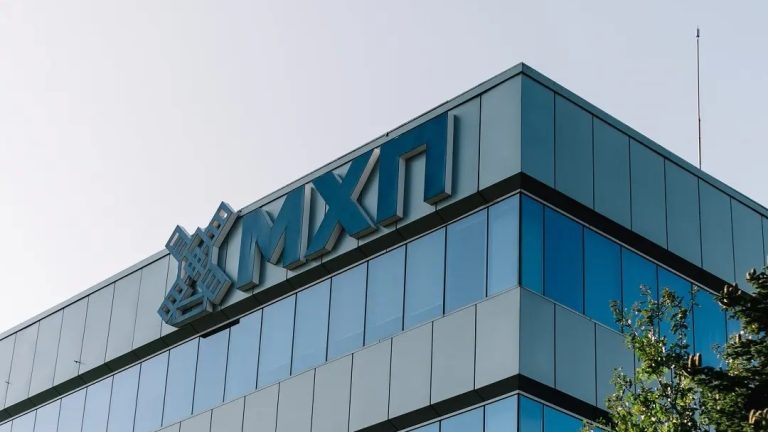




One of Ukraine’s largest pharmaceutical manufacturers is currently being offered to potential buyers, marking a significant turning point for a company that has been a cornerstone of the country’s healthcare industry for decades. The Arterium Corporation, known for producing essential medications consumed by millions of Ukrainians, finds itself at a crossroads amid bankruptcy proceedings, leadership changes, and persistent rumors of an impending sale. The situation has raised concerns among industry observers about the future of domestic pharmaceutical production in Ukraine and the implications for the country’s healthcare security.
Key Points on Arterium's Crisis
- Arterium, one of Ukraine’s largest drugmakers with hundreds of medications in its portfolio, is reportedly being shopped to international buyers amid bankruptcy proceedings.
- Management has been overhauled recently, with new executives reportedly tasked with stabilizing operations and preparing for a potential transaction.
- The full-scale Russian invasion disrupted supply chains for active ingredients, spiked energy costs, and shifted domestic demand unpredictably.
- Potential acquirers range from global pharma conglomerates to private equity firms and regional competitors eyeing Ukraine’s long-term market potential.
- The outcome may set precedents for how other strategic Ukrainian industrial assets navigate wartime financial distress.
The pharmaceutical giant, which traces its roots back to the Soviet era and the renowned Kyiv-based Darnytsia pharmaceutical plant, has been navigating turbulent waters for several years. Industry insiders report that various investment groups and international pharmaceutical companies have been approached about acquiring Arterium, though no official confirmation of sale negotiations has been made public. The company’s portfolio includes hundreds of medications ranging from antibiotics and cardiovascular drugs to pain relievers and vitamins, making it a strategically important asset in Ukraine’s pharmaceutical landscape.
Complex Ownership and Recent Leadership Overhaul
Understanding who controls Arterium requires examining a complex web of corporate relationships that has evolved over the years. The company emerged from the privatization wave of the 1990s and has since undergone multiple ownership restructurings. For many years, the corporation was associated with prominent Ukrainian business figures who built it into one of the country’s pharmaceutical leaders. The ownership structure has included various holding companies and investment vehicles, making the full picture of beneficial ownership sometimes difficult to trace for outside observers.
Recent management changes have added to the uncertainty surrounding the company’s direction. Leadership transitions in major corporations often signal strategic shifts, and in Arterium’s case, these changes have coincided with the broader discussions about the company’s future. Former executives have departed, and new managers have been brought in, reportedly with mandates to stabilize operations and potentially prepare the company for a transaction. Such management overhauls are frequently prerequisites for major corporate deals, as potential buyers typically want to see streamlined operations and clear accountability structures.
Bankruptcy Proceedings Amid War-Driven Financial Strain
The bankruptcy proceedings involving Arterium or its related entities represent one of the most dramatic developments in the company’s recent history. While the full details of the financial difficulties remain subject to legal processes, industry analysts point to several factors that may have contributed to the situation. The Ukrainian pharmaceutical market has faced significant pressures in recent years, including currency volatility, regulatory changes, increased competition from international generic manufacturers, and the devastating impact of Russia’s full-scale invasion that began in February 2022.
The war has created unprecedented challenges for Ukrainian businesses across all sectors, but pharmaceutical manufacturers face unique pressures. Supply chain disruptions have affected the availability of active pharmaceutical ingredients, many of which were previously sourced from Russia, Belarus, or through logistics routes that are no longer viable. Energy costs have skyrocketed, and maintaining production facilities requires significant investment in generator capacity and security measures. Additionally, the displacement of millions of Ukrainians has altered domestic demand patterns in ways that are difficult to predict and adapt to quickly.
National Stakes and Potential Buyer Scenarios
The potential sale of Arterium carries implications that extend far beyond a simple corporate transaction. Ukraine’s pharmaceutical industry has historically been a point of national pride and strategic importance. Domestic production capacity ensures a degree of independence in healthcare provision, reducing reliance on imports and providing employment for thousands of skilled workers. If Arterium were to be acquired by a foreign entity, questions would inevitably arise about production location decisions, research and development priorities, and long-term commitment to the Ukrainian market.
Industry experts note that interest from potential buyers could come from multiple directions. International pharmaceutical conglomerates might see value in Arterium’s established distribution networks and brand recognition in Ukraine and other post-Soviet markets. Private equity firms could view the situation as a distressed asset opportunity with turnaround potential. Regional players from neighboring countries might seek to expand their footprint in Ukraine’s sizeable pharmaceutical market, which despite current challenges, represents significant long-term potential given the country’s population and expected post-war reconstruction needs. Whatever the outcome, the resolution of Arterium’s situation will likely set precedents for how other struggling Ukrainian industrial enterprises navigate similar challenges in the coming years.
Broader Implications for Ukraine's Healthcare Security
Arterium’s troubles spotlight a systemic vulnerability in Ukraine’s wartime economy: strategic industries built over decades can unravel quickly when currency swings, supply chain ruptures, and energy shocks hit simultaneously. The company’s reliance on active pharmaceutical ingredients previously sourced from Russia and Belarus became an acute liability after February 2022, forcing costly supply chain pivots that many domestic manufacturers struggle to finance.
For policymakers, this case will likely accelerate debates about protective frameworks for critical healthcare infrastructure. Ukraine has historically resisted aggressive state intervention in private enterprise, but watching a major drugmaker slide toward foreign acquisition—or worse, operational collapse—may shift that calculus. Expect discussions about strategic reserves, domestic sourcing mandates, or even partial nationalization mechanisms.
Potential buyers face a genuine turnaround challenge, not just a bargain purchase. Arterium’s distribution networks and brand equity hold real value, but stabilizing production amid ongoing conflict requires capital, operational expertise, and tolerance for geopolitical risk that narrows the serious bidder pool considerably. Private equity’s typical three-to-five-year exit timeline clashes awkwardly with Ukraine’s uncertain reconstruction horizon.
Common Questions About the Situation
Is Arterium officially for sale?
No official confirmation has been made public. However, industry sources report that investment groups and international pharmaceutical companies have been approached about a potential acquisition, and recent management changes suggest preparation for a transaction.
Why is Arterium facing bankruptcy?
Multiple factors converged: currency volatility, regulatory shifts, increased generic competition, and severe war-related pressures including supply chain disruptions for ingredients, soaring energy costs, and unpredictable domestic demand after millions of Ukrainians were displaced.
Who might buy Arterium?
Potential acquirers include global pharmaceutical conglomerates interested in distribution networks, private equity firms viewing it as a distressed turnaround opportunity, and regional competitors from neighboring countries seeking to expand in Ukraine’s large pharmaceutical market.
Expert Opinion: The Arterium case illustrates the broader vulnerability of Ukraine’s strategic industries during wartime economic pressures. Regardless of whether a sale materializes, this situation will likely accelerate government discussions about establishing protective mechanisms for critical healthcare infrastructure. The coming months will be decisive—either new ownership will inject needed capital and stability, or prolonged uncertainty could erode the company’s market position beyond recovery.