


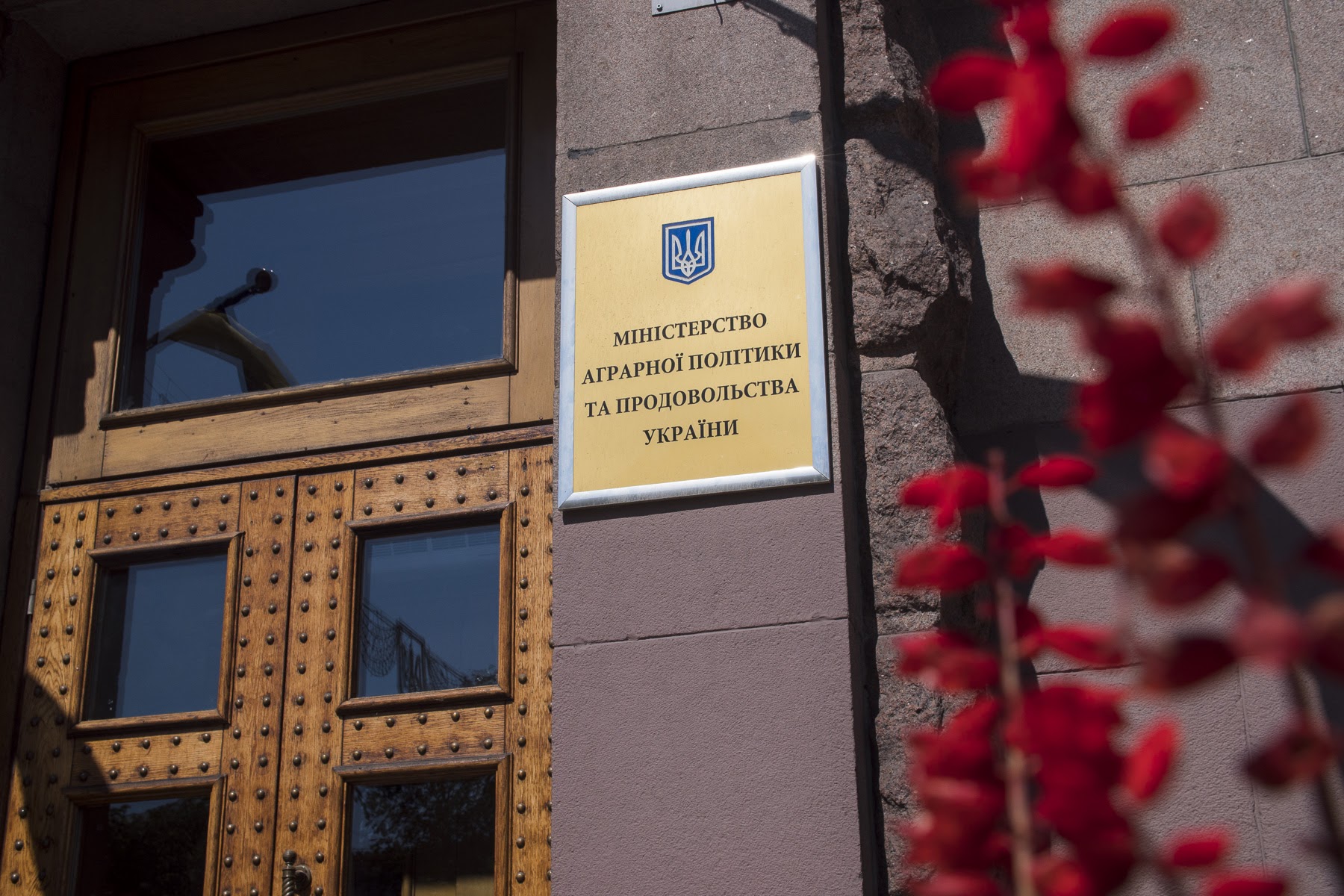
Ukraine’s government is considering a significant restructuring of its executive branch that would see the separation of agricultural affairs from what has become the largest ministry in the country’s history. The proposal involves carving out a dedicated Ministry of Agrarian Policy from the current mega-ministry that combines economy, environment, and agriculture under one roof. This potential reorganization comes at a critical time when the agricultural sector remains one of Ukraine’s most vital economic pillars, with approximately 250 billion hryvnias in budget allocations and sectoral management hanging in the balance.
The current consolidated structure was created as part of administrative optimization efforts aimed at reducing bureaucratic overhead and streamlining government operations. However, critics argue that combining such diverse portfolios has led to insufficient attention being paid to the specific needs of Ukraine’s agricultural sector, which historically has been one of the country’s primary export drivers and employment sources.
Historical Context of Agricultural Governance in Ukraine
The Ministry of Agrarian Policy has a long and complex history in independent Ukraine. For decades, it functioned as a standalone ministry responsible for overseeing farming operations, food security, land reform, and rural development across the nation. Ukraine’s agricultural sector has always held strategic importance, as the country is often referred to as the “breadbasket of Europe” due to its vast fertile lands and significant grain production capacity. Before the consolidation, the agricultural ministry managed policies affecting millions of farmers, agricultural enterprises, and food processing facilities throughout the country.
The decision to merge the agricultural ministry with other governmental bodies was part of a broader trend toward creating so-called “super-ministries” that would theoretically improve coordination between related sectors. Similar consolidation efforts have been attempted in various countries with mixed results. In Ukraine’s case, the merger brought together environmental protection, economic development, and agricultural policy under a single leadership structure, creating an enormous bureaucratic entity with diverse and sometimes competing priorities.
Economic Implications and Sector Challenges
The agricultural sector’s contribution to Ukraine’s economy cannot be overstated, particularly during wartime conditions. Agriculture accounts for a substantial portion of the country’s GDP and export revenues, with grain, oilseeds, and other agricultural products representing major sources of foreign currency earnings. The 250 billion hryvnia figure reportedly at stake encompasses various budget programs, subsidies, development initiatives, and support mechanisms designed to maintain and grow the sector’s productivity.
Industry stakeholders have expressed concerns that without dedicated ministerial attention, agricultural policy has become secondary to other priorities within the consolidated ministry structure. Farmers’ associations and agricultural business groups have long advocated for restoring a separate ministry that would focus exclusively on their sector’s needs, including land reform implementation, access to financing, technological modernization, and export facilitation. The ongoing war has only intensified these challenges, as agricultural operations face disruptions from military activities, logistics complications, and workforce shortages.
Political Considerations and Leadership Questions
The potential restoration of the Ministry of Agrarian Policy raises immediate questions about leadership appointments and political implications. The selection of a new agricultural minister would likely involve careful consideration of candidates’ professional backgrounds, political affiliations, and relationships with key agricultural interest groups. Historically, the position has been highly sought after due to the sector’s economic significance and the substantial resources under ministerial control.
Government restructuring decisions in Ukraine require parliamentary approval and coordination with the presidential administration, making the process inherently political. Various factions within the government may have different candidates in mind, and the appointment could reflect broader political balancing acts. The agricultural sector’s importance to rural constituencies adds another dimension to these considerations, as effective agricultural policy directly impacts millions of Ukrainians living in farming communities across the country.
Expert Opinion: The restoration of a dedicated Ministry of Agrarian Policy would signal Ukraine’s recognition that its agricultural sector requires focused governmental attention, especially given wartime challenges and the sector’s critical role in national food security and export earnings. However, the success of this reorganization will depend not merely on institutional restructuring but on appointing competent leadership capable of navigating complex reforms, including completing land market implementation and modernizing agricultural infrastructure to meet European Union standards as Ukraine pursues its EU membership aspirations.