


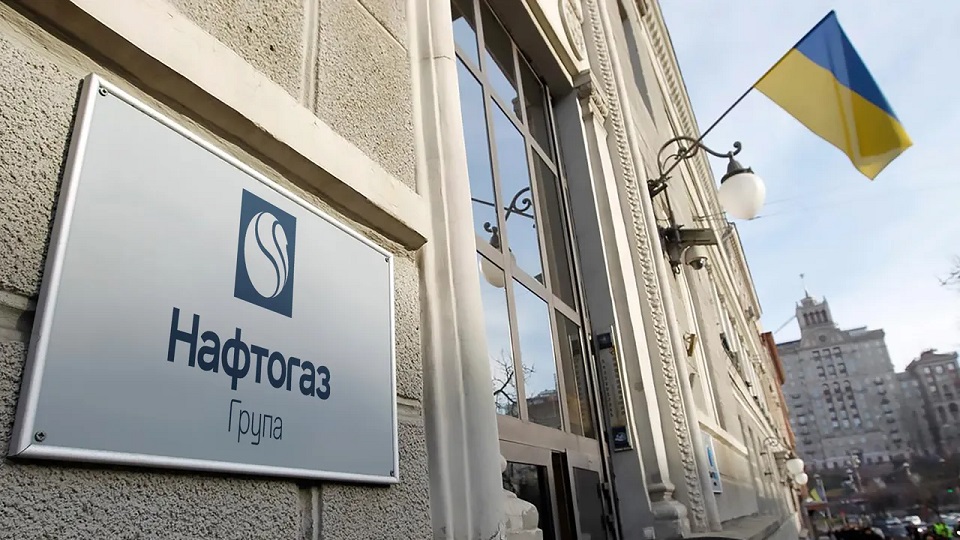
Ukraine’s state-owned energy giant Naftogaz has achieved a significant milestone in its debt management strategy, securing approval from 90% of bondholders to restructure approximately €1.2 billion in Eurobonds. The successful restructuring extends the maturity of euro-denominated bonds to 2032 and dollar-denominated bonds to 2033, providing crucial financial breathing room for the company as it navigates the ongoing challenges posed by the war and energy market volatility. This agreement marks one of the most significant corporate debt restructurings in Ukraine since the full-scale Russian invasion began in February 2022.
Strategic Importance of the Debt Restructuring
The restructuring deal represents a critical lifeline for Naftogaz, which serves as the backbone of Ukraine’s energy sector. As the country’s largest state-owned enterprise, Naftogaz plays an essential role in ensuring energy security for millions of Ukrainian households and businesses. The company manages natural gas production, transportation, and distribution across the country, making its financial stability a matter of national importance. By extending bond maturities by several years, the company has effectively deferred significant debt obligations that would have otherwise strained its resources during an already challenging period.
The 90% approval rate from bondholders demonstrates strong confidence in Naftogaz’s long-term viability despite the extraordinary circumstances facing Ukraine. International creditors have shown willingness to work with Ukrainian entities, recognizing both the geopolitical significance of supporting Ukraine’s economy and the potential for recovery once hostilities cease. This level of bondholder participation exceeds the typical thresholds required for such restructuring agreements, which usually range between 75% and 85% depending on the bond indenture terms.
Historical Context and Company Background
Naftogaz was established in 1998 as a vertically integrated oil and gas company, consolidating Ukraine’s fragmented energy assets under state control. Over the decades, the company has undergone numerous transformations, including corporate governance reforms implemented as part of Ukraine’s commitments to international financial institutions and European integration efforts. Prior to the current conflict, Naftogaz had been working to modernize its operations, increase transparency, and reduce dependence on Russian gas imports—a process that accelerated dramatically following Russia’s annexation of Crimea in 2014.
The company’s debt challenges are not new, but they have been significantly exacerbated by the war. In 2022, Naftogaz requested a two-year standstill on its international debt obligations, which bondholders granted in recognition of the extraordinary circumstances. The current restructuring builds upon that initial agreement, converting temporary relief into a longer-term solution. During the Soviet era and early independence period, Ukraine’s gas infrastructure was designed to facilitate Russian exports to Europe, making the subsequent transition toward energy independence both technically complex and politically contentious.
Implications for Ukraine’s Economy and Energy Sector
The successful restructuring carries broader implications for Ukraine’s economy and its relationships with international creditors. As the country continues to rely heavily on Western financial support, demonstrating the ability to manage sovereign and quasi-sovereign debt responsibly sends positive signals to potential investors and donor nations. The deal also sets a precedent for other Ukrainian state-owned enterprises that may need to pursue similar arrangements in the coming years.
Energy analysts note that Naftogaz’s financial stability is directly linked to Ukraine’s ability to maintain its role as a transit country for Russian gas to Europe—a position that has become increasingly uncertain as European nations accelerate their transition away from Russian energy dependence. The company has been actively developing domestic gas production capabilities and exploring alternative revenue streams, including underground gas storage services for European partners. These diversification efforts will be essential for ensuring the company can meet its restructured debt obligations when they come due in 2032 and 2033.
Expert Opinion: The 90% bondholder approval rate signals that international investors remain confident in Ukraine’s long-term economic prospects despite ongoing hostilities. This restructuring provides Naftogaz with essential fiscal flexibility to maintain critical energy infrastructure while the country focuses resources on defense and reconstruction. Looking ahead, the company’s ability to service these extended obligations will largely depend on post-war reconstruction dynamics and Europe’s evolving energy architecture, making continued Western support and eventual EU integration key factors in determining ultimate success.