
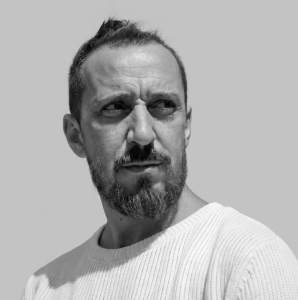


Ukrainian businessman Dmitry Karchuk has spoken out for the first time following his release from detention in Poland, where he spent 18 days in custody under circumstances that have sparked significant attention in both Ukrainian and Polish business communities. The co-founder of CEO Club, a prominent networking organization for business executives, was detained by Polish authorities in what he describes as a case built on misunderstandings and procedural complications. Now free but facing an ongoing legal battle, Karchuk has vowed to clear his name and prove his innocence through proper legal channels.
The detention of such a high-profile business figure has raised questions about the treatment of Ukrainian entrepreneurs abroad, particularly at a time when millions of Ukrainians have sought refuge in European Union countries following Russia’s full-scale invasion in 2022. CEO Club, which Karchuk co-founded, has become one of the most influential business networking platforms in Ukraine, connecting executives from various industries and facilitating economic cooperation both domestically and internationally.
The Circumstances of the Detention
According to initial reports, Karchuk was detained at a Polish border crossing point in late spring 2024. The specific charges that led to his arrest have not been fully disclosed to the public, though sources close to the matter suggest the detention was connected to financial documentation issues. Polish authorities have maintained that proper procedures were followed throughout the process, while Karchuk’s legal team has argued that the detention was excessive given the nature of the alleged infractions. During his 18 days in custody, Karchuk was held in a Polish detention facility while his lawyers worked around the clock to secure his release on bail.
The case highlights the complex legal landscape that Ukrainian businesspeople must navigate when operating across European borders. Since the outbreak of war, many Ukrainian entrepreneurs have relocated operations or established new business ties in Poland, which has become a crucial hub for Ukrainian economic activity. This has occasionally led to legal complications as different regulatory frameworks intersect, and business practices that are standard in Ukraine may not always align perfectly with Polish or EU requirements.
CEO Club and Karchuk’s Business Legacy
CEO Club, established over a decade ago, represents one of the most successful business networking initiatives in Ukraine’s modern history. The organization brings together top executives from leading Ukrainian companies, providing a platform for knowledge exchange, mentorship, and business development. Under Karchuk’s leadership as co-founder, the club expanded its reach significantly, organizing high-profile events featuring international speakers and facilitating partnerships between Ukrainian and foreign enterprises. The organization has been credited with helping professionalize Ukrainian business culture and promoting corporate governance standards aligned with Western practices.
Karchuk’s detention sent shockwaves through the Ukrainian business community, with many colleagues expressing support and concern. Several prominent Ukrainian businesspeople issued statements calling for transparency in the legal proceedings and fair treatment under Polish law. The incident has also prompted discussions about the need for better legal protections and clearer guidelines for Ukrainian entrepreneurs operating in EU member states, particularly given the unprecedented circumstances created by the ongoing conflict.
The Path Forward: Legal Strategy and Vindication
In his first public statements following release, Karchuk emphasized his determination to fight the charges and restore his reputation. He expressed gratitude to his legal team, family, and the many supporters who advocated on his behalf during his detention. The businessman indicated that he possesses documentation and evidence that he believes will demonstrate his innocence once properly presented in court. His lawyers have stated that they are preparing a comprehensive defense that will address each allegation systematically.
Legal experts familiar with cross-border business cases note that such situations often arise from miscommunication or differing interpretations of regulations rather than intentional wrongdoing. The resolution of Karchuk’s case could set important precedents for how similar situations involving Ukrainian businesspeople are handled in the future. As Ukraine continues its path toward European integration, harmonizing business practices and legal frameworks remains an ongoing challenge that affects entrepreneurs at all levels.
Expert Opinion: This case underscores the urgent need for clearer bilateral protocols between Ukraine and EU member states regarding business regulations and legal procedures. As Ukrainian economic activity increasingly shifts westward, we can expect more such cases unless systematic frameworks are established. The outcome of Karchuk’s legal battle may well influence how Poland and other EU countries approach similar situations involving Ukrainian entrepreneurs in the coming years.