


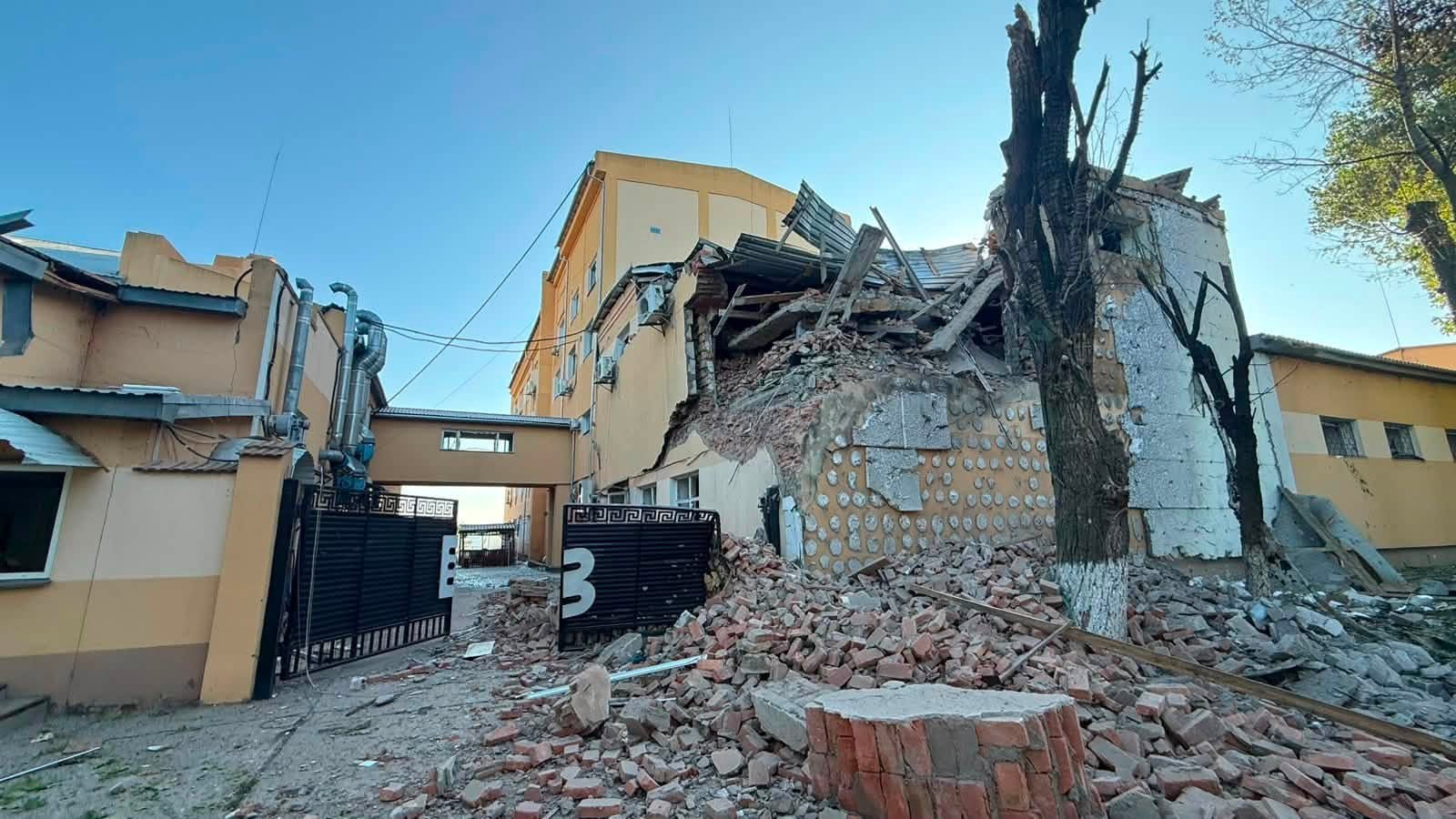
In yet another attack targeting civilian infrastructure, Russian forces struck the Belsta factory, a well-known manufacturer of household footwear, in the Ukrainian city of Bilhorod-Dnistrovskyi. The assault on this domestic slipper and shoe production facility represents a continuation of Moscow’s strategy of targeting economic and industrial sites throughout Ukraine, causing widespread disruption to the country’s civilian economy and daily life. The attack has drawn renewed international attention to the ongoing destruction of non-military targets in the prolonged conflict.
Details of the Attack and Immediate Impact
The Belsta enterprise, which has been a significant employer in the Odesa Oblast region, specializes in producing comfortable household footwear including slippers and indoor shoes that are popular throughout Ukraine and in export markets. While full details of casualties and damage are still being assessed, the strike against a civilian manufacturing facility highlights the indiscriminate nature of recent Russian military operations. Local authorities have been working to secure the site and assess the full extent of the destruction, as emergency services responded to the scene in the aftermath of the attack.
Bilhorod-Dnistrovskyi, located in the southwestern Odesa region near the Black Sea coast, has historical significance dating back centuries and is home to a diverse industrial base. The city, which should not be confused with the Russian city of Belgorod, sits strategically near the Dniester Liman and has been an important economic center for the surrounding agricultural and manufacturing communities. The targeting of civilian enterprises in this region represents a significant escalation in attacks on Ukraine’s economic infrastructure far from the front lines.
Systematic Destruction of Ukraine’s Industrial Capacity
This attack fits into a broader pattern of Russian strikes against Ukraine’s civilian infrastructure that has intensified since the full-scale invasion began in February 2022. International observers and human rights organizations have documented thousands of attacks on factories, power plants, hospitals, and residential areas throughout the country. The destruction of manufacturing facilities like Belsta not only causes immediate economic damage but also results in long-term unemployment and disruption to supply chains that ordinary Ukrainian citizens depend upon for basic goods and services.
The Ukrainian textile and footwear industry, while not as prominent as heavy manufacturing or agriculture, represents an important sector of the domestic economy. Companies like Belsta have provided affordable household goods to millions of Ukrainian families while also supporting local employment. The deliberate targeting of such facilities suggests an intent to undermine civilian morale and economic stability, tactics that have been condemned by international humanitarian law experts as potential violations of the laws of armed conflict.
International Response and Humanitarian Concerns
Western governments and international organizations have repeatedly condemned Russia’s targeting of civilian infrastructure, calling for accountability and increased humanitarian support for affected communities. The United Nations and various human rights bodies have documented what they describe as systematic attacks on non-military targets, compiling evidence that may eventually be used in international legal proceedings. Meanwhile, Ukraine continues to call for additional air defense systems to protect its cities and industrial centers from ongoing missile and drone attacks that have become a near-daily occurrence in many regions.
As the conflict continues into its third year, the cumulative damage to Ukraine’s economy has reached hundreds of billions of dollars, with reconstruction estimates continuing to climb. Communities like Bilhorod-Dnistrovskyi, which have seen their local industries targeted, face uncertain futures as residents balance the need to maintain economic activity with the constant threat of further attacks. The international community has pledged support for Ukraine’s eventual reconstruction, but the immediate priority remains protecting civilian lives and infrastructure from ongoing military operations.
Expert Opinion: Military analysts suggest that Russia’s continued targeting of civilian manufacturing facilities reflects a strategic calculation to exhaust Ukrainian economic resilience and public morale over time. This approach, while causing significant humanitarian suffering, has historically proven less effective than anticipated, often strengthening rather than weakening civilian resolve. The international community’s response to such attacks will likely influence the trajectory of post-conflict accountability mechanisms and future deterrence strategies.