



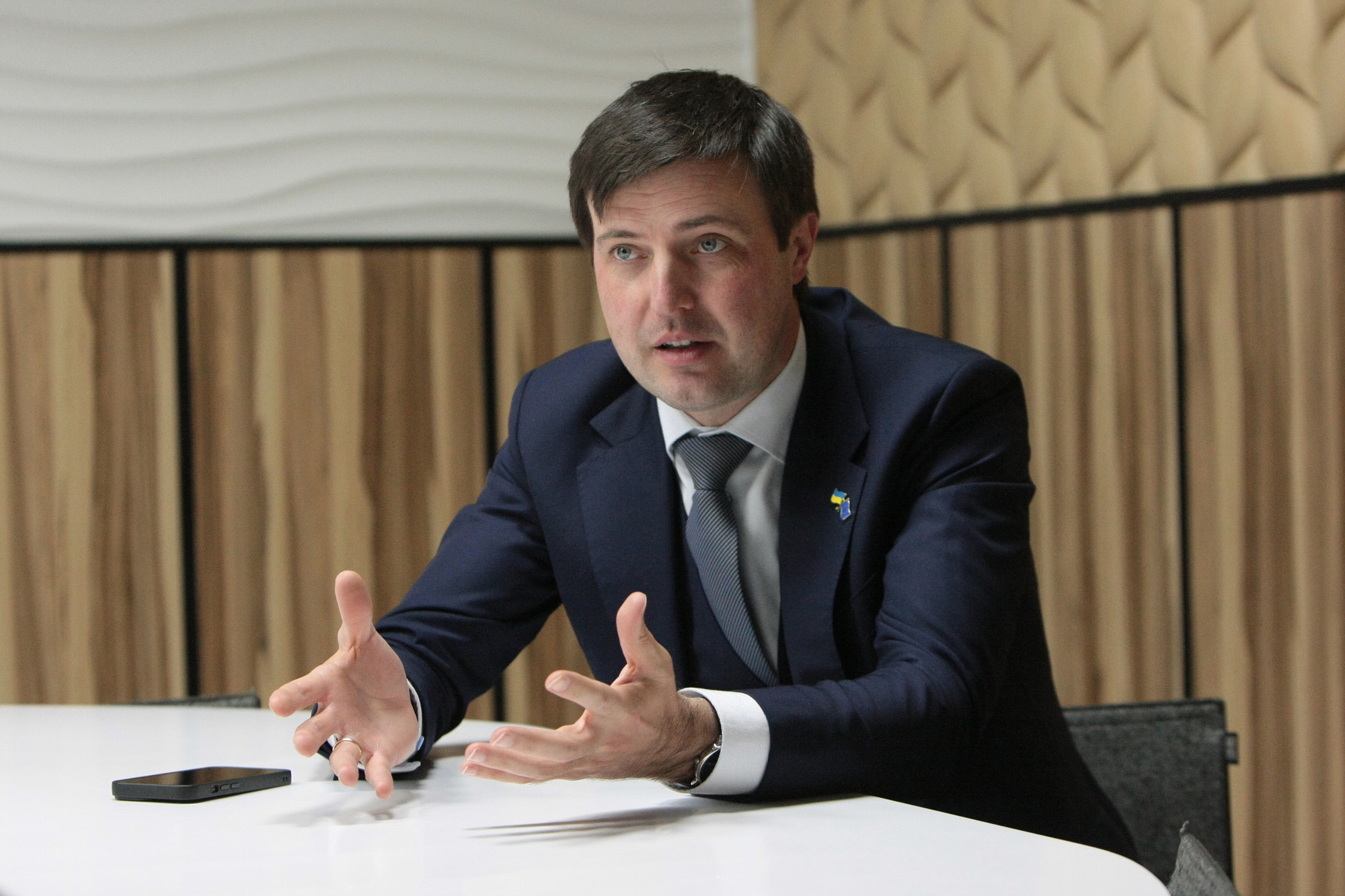
In a sweeping move to prevent widespread bankruptcies across Ukraine’s vital agricultural sector, the government has announced an emergency support package worth 80 billion hryvnias (approximately $2 billion). The announcement comes amid escalating challenges facing Ukrainian farmers, including blocked port access, logistical bottlenecks, and mounting pressure from neighboring countries’ agricultural lobbies. Minister of Agrarian Policy Taras Vysotsky has outlined the government’s strategy in a recent interview, detailing how these funds will be deployed to keep one of the nation’s most important economic sectors afloat during an unprecedented crisis.
The agricultural sector has long been the backbone of Ukraine’s economy, contributing approximately 10-12% of the country’s GDP and accounting for over 40% of total export revenues before the current conflict. Ukraine has historically been known as the “breadbasket of Europe,” ranking among the world’s top exporters of wheat, corn, sunflower oil, and barley. The sector employs millions of Ukrainians directly and indirectly, making its survival crucial not just for economic stability but for the livelihoods of countless families across rural regions.
The Port Blockade Challenge
The crisis facing Ukrainian agriculture stems primarily from severe disruptions to traditional export routes through Black Sea ports. Before the conflict, ports like Odesa, Mykolaiv, and Chornomorsk handled the vast majority of Ukraine’s grain exports, with infrastructure designed to move millions of tons of agricultural products efficiently to global markets. The blockade and ongoing security concerns have forced farmers and traders to seek alternative routes, primarily through land corridors to European Union countries, which has created enormous logistical challenges and significantly increased transportation costs.
Transportation expenses have reportedly increased by three to five times compared to pre-war levels, eating into already thin profit margins. What previously cost farmers approximately $20-30 per ton to ship via Black Sea routes now costs upwards of $100-150 per ton through overland alternatives. These additional costs, combined with depressed global commodity prices, have pushed many agricultural enterprises to the brink of insolvency. Storage facilities across the country are overflowing with grain that cannot be moved quickly enough, creating a cascading effect throughout the entire agricultural value chain.
The 80 Billion Hryvnia Rescue Package
The emergency support package announced by Minister Vysotsky encompasses several key components designed to address different aspects of the crisis. A significant portion of the funds will go toward subsidizing transportation costs, helping farmers bridge the gap between current elevated logistics expenses and what they can realistically afford. Additional allocations target credit support programs, providing low-interest loans and loan guarantees to agricultural enterprises facing cash flow difficulties. The government is also investing in expanding storage capacity and developing new logistics infrastructure to reduce dependence on any single export route.
Beyond direct financial assistance, the ministry is working on regulatory measures to streamline export procedures and reduce bureaucratic barriers that add to delays and costs. Vysotsky emphasized the importance of maintaining Ukraine’s reputation as a reliable supplier on global markets, noting that long-term relationships with international buyers must be preserved even during this challenging period. The minister also addressed concerns about quality control and certification, ensuring that Ukrainian agricultural products continue to meet international standards despite the disrupted supply chains.
Tensions with Polish Farmers
A particularly sensitive aspect of the current crisis involves tensions with farmers in neighboring Poland and other EU countries. Polish agricultural producers have staged numerous protests, blocking border crossings and demanding restrictions on Ukrainian grain imports, which they claim are undercutting local prices and threatening their livelihoods. These protests have created significant diplomatic friction and complicated efforts to establish reliable alternative export routes through EU territory.
Minister Vysotsky has been careful in his public statements regarding these disputes, avoiding inflammatory rhetoric while firmly defending Ukrainian farmers’ rights to access European markets. He has emphasized that Ukrainian agriculture poses no genuine threat to European farmers, pointing to the temporary nature of current transit arrangements and the importance of European solidarity during wartime. The minister has also highlighted opportunities for mutually beneficial cooperation, suggesting that improved infrastructure could benefit agricultural logistics for all parties involved once the conflict ends.
Looking Toward the Future
Despite the current difficulties, Ukrainian officials remain optimistic about the agricultural sector’s long-term prospects. The country possesses some of the world’s most fertile soil, with chernozem covering vast areas of central and southern regions. This natural advantage, combined with improved farming techniques and technology adoption in recent decades, positions Ukraine to remain a major agricultural power once current challenges are resolved. The government is already planning for post-war reconstruction of agricultural infrastructure, with particular attention to modernizing port facilities and developing resilient, diversified export routes.
International support has also played a crucial role in sustaining Ukrainian agriculture through the crisis. Various international organizations and partner countries have provided financial assistance, technical expertise, and diplomatic support to keep grain flowing to global markets. These efforts have helped prevent a more severe global food crisis while providing crucial lifelines to Ukrainian farmers. The 80 billion hryvnia package represents Ukraine’s commitment to matching this international support with domestic resources, demonstrating the government’s determination to protect this strategic sector regardless of the costs involved.
Expert Opinion: The Ukrainian government’s 80 billion hryvnia rescue package represents a critical intervention at a pivotal moment for the country’s agricultural sector. While this substantial investment should provide immediate relief and prevent widespread bankruptcies, the sector’s long-term recovery ultimately depends on restoring access to Black Sea shipping routes and normalizing relations with EU neighbors. Agricultural economists suggest that diversifying export infrastructure now, despite the higher costs, could create a more resilient agricultural economy in the future, potentially positioning Ukraine to handle future disruptions more effectively while maintaining its crucial role in global food security.