


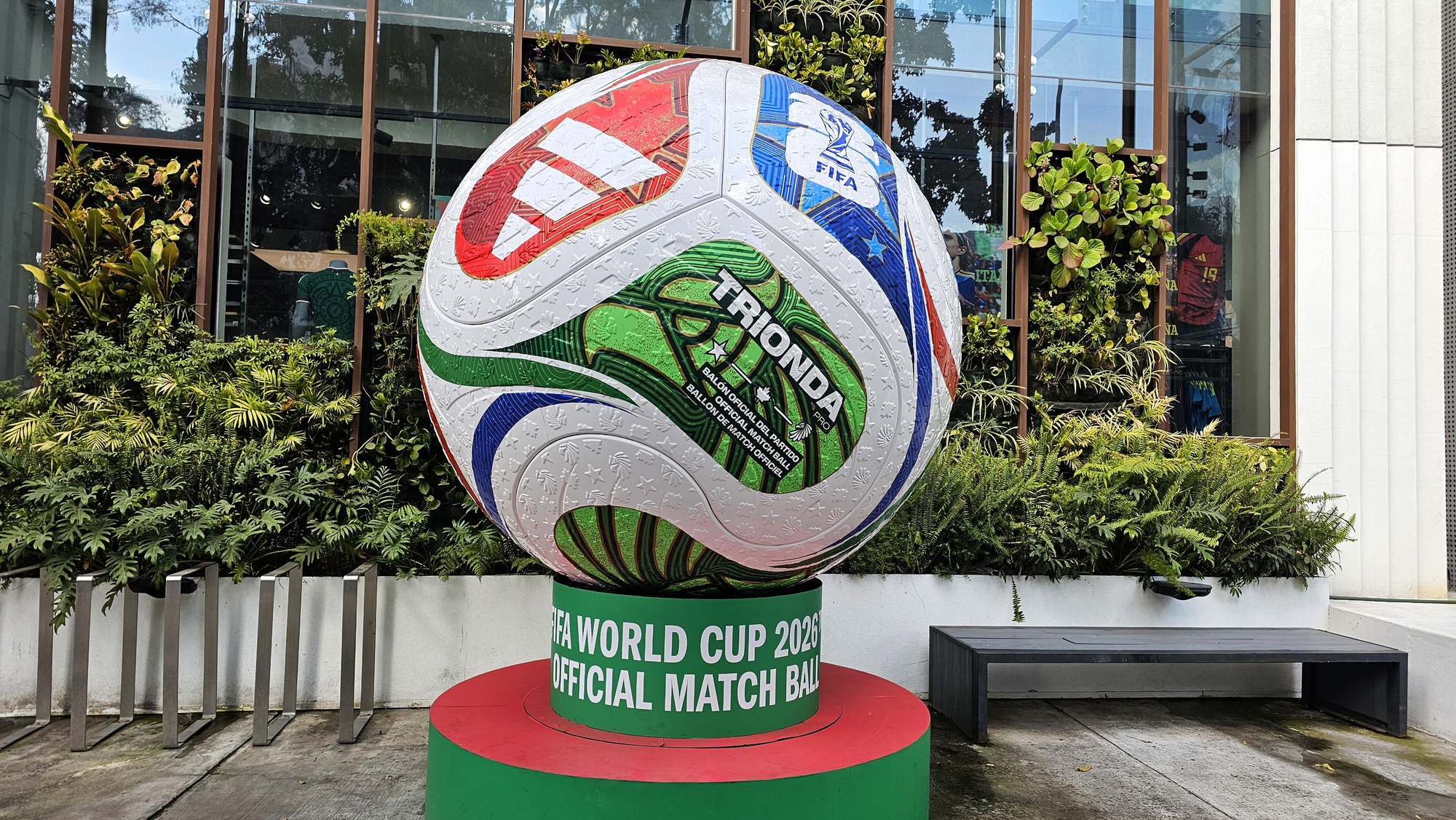
The FIFA World Cup has proven to be a significant catalyst for gambling activity in Mexico’s capital, with residents of Mexico City wagering an impressive $91.8 million over a six-month period. This surge in betting activity coincided with the global football tournament, demonstrating the powerful connection between major sporting events and the gambling industry. The data reveals not only the scale of recreational betting in one of Latin America’s largest metropolitan areas but also highlights the complex relationship between sports entertainment, taxation, and regulatory oversight in the modern gambling landscape.
Record-Breaking Betting Activity During the Tournament
The World Cup effect on gambling behavior has been well documented across global markets, but Mexico City’s figures represent a particularly striking example of this phenomenon. Sports betting traditionally experiences significant spikes during major international tournaments, with the FIFA World Cup consistently ranking among the most heavily wagered events worldwide. The $91.8 million figure encompasses both traditional betting establishments and the rapidly growing online gambling sector, which has seen exponential growth in recent years. Industry analysts note that mobile betting platforms have made wagering more accessible than ever, contributing to the overall increase in gambling participation during high-profile sporting events.
Mexico has emerged as one of Latin America’s most dynamic gambling markets, with estimates suggesting the industry generates billions of dollars annually. The country’s regulatory framework, overseen by the Secretariat of the Interior (SEGOB), has attempted to balance market growth with consumer protection measures. The World Cup period highlighted both the revenue potential and the challenges facing regulators as they attempt to capture tax revenue while preventing problem gambling and illegal operations.
Tax Revenue Surge and Government Response
The surge in gambling activity has translated directly into increased tax revenue for local and federal authorities. Government officials have welcomed the additional income, which supports various public programs and infrastructure projects. However, the relationship between taxation and gambling activity remains delicate. Authorities must carefully calibrate tax rates to maximize revenue while avoiding the creation of incentives that push operators and bettors toward unregulated alternatives. The Mexican gambling industry has grown significantly since the early 2000s, when regulatory reforms opened the market to greater commercial development.
However, concerns are mounting that aggressive tax increases on the gambling sector could have unintended consequences. Industry representatives and economic analysts warn that sharp hikes in gambling taxes may drive a portion of the market underground, where operations are unregulated, untaxed, and potentially dangerous for consumers. This shadow economy not only deprives the government of legitimate revenue but also exposes gamblers to fraud, addiction risks, and criminal exploitation. The balance between maximizing short-term tax collection and maintaining a healthy, regulated market represents one of the central challenges facing policymakers in Mexico and other emerging gambling jurisdictions.
The Shadow Economy Threat and Regulatory Challenges
The potential migration of gambling activity into the shadow economy represents a serious concern for Mexican authorities. Historical evidence from other jurisdictions suggests that excessive taxation can indeed push both operators and consumers toward illegal alternatives. Underground gambling operations typically offer better odds to bettors since they avoid tax obligations, creating a competitive advantage over legitimate businesses. These operations also lack the consumer protections, responsible gambling measures, and anti-money laundering controls that regulated operators must implement.
Looking forward, Mexican regulators face the challenge of crafting policies that capture the economic benefits of a thriving gambling industry while mitigating its social costs. The World Cup spending data provides valuable insights into consumer behavior and market potential, but it also underscores the need for thoughtful, evidence-based regulation. As digital gambling continues to grow and major sporting events drive periodic surges in betting activity, the stakes for getting this balance right will only increase. The experience of Mexico City during the World Cup period offers lessons not only for Mexican policymakers but for gambling regulators worldwide who are grappling with similar challenges in an increasingly globalized betting market.
Expert Opinion: The Mexico City gambling data reflects a broader global trend where major sporting events serve as inflection points for market growth and regulatory scrutiny. Authorities would be wise to implement graduated tax increases rather than sudden spikes, as evidence from European markets suggests this approach maintains market stability while steadily growing public revenue. The key challenge moving forward will be developing robust digital tracking systems that can monitor online betting flows and ensure compliance without driving activity offshore or underground.