


Ukraine’s gambling regulatory body, PlayCity (officially known as the Commission for Regulation of Gambling and Lotteries), has released its annual performance report highlighting significant efforts to combat illegal gambling operations across the country. The commission claims to have blocked thousands of unlicensed gambling websites while the industry itself acknowledges measurable progress in market formalization. However, prominent parliamentarian Danylo Hetmantsev, chairman of the Verkhovna Rada’s Committee on Finance, Tax and Customs Policy, has publicly criticized the regulator for inaction and insufficient enforcement measures. This stark contrast between official reports and political assessments raises important questions about the true state of Ukraine’s gambling regulation.
The Scale of Ukraine’s Gambling Market Regulation
Since Ukraine legalized gambling in 2020 after a prolonged ban that lasted since 2009, the market has experienced explosive growth. The legalization was part of a broader effort to bring a massive shadow economy into the formal sector, with estimates suggesting that Ukrainians were spending billions of hryvnias annually on illegal gambling operations. PlayCity was established as the primary regulatory body tasked with licensing operators, monitoring compliance, and most critically, shutting down illegal gambling websites and establishments. According to their latest reports, the commission has successfully blocked several thousand illegal gambling domains over the past year, a figure they present as evidence of robust enforcement activity.
The Ukrainian gambling market, when operating within legal parameters, represents a significant source of tax revenue for the state budget. Licensed operators are required to pay substantial licensing fees, contribute to social programs addressing gambling addiction, and remit taxes on their gaming revenue. Industry associations have noted improvements in the regulatory environment, with clearer guidelines for operators and more predictable enforcement patterns. Major international gambling companies have entered the Ukrainian market, bringing with them compliance standards and technological infrastructure that align with European norms.
Hetmantsev’s Criticism and the Enforcement Debate
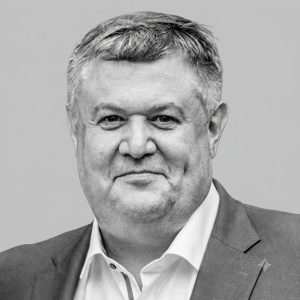
Despite these reported achievements, Danylo Hetmantsev’s accusations of regulatory inaction highlight a fundamental disconnect between official metrics and perceived effectiveness. Hetmantsev, who has been instrumental in shaping Ukraine’s tax and financial legislation, argues that the blocking of illegal websites represents merely surface-level action that fails to address the root causes of illegal gambling. He points to the continuous emergence of new unlicensed platforms, the persistence of underground gambling establishments, and the apparent ease with which blocked operators can resume activities under different domain names. The parliamentarian’s criticism suggests that without more aggressive financial investigations and criminal prosecutions, the illegal sector will continue to thrive alongside its legal counterpart.
The debate around enforcement effectiveness is not unique to Ukraine. Globally, gambling regulators face similar challenges in combating illegal operations, particularly in the online space where technological barriers to entry are low and operators can easily relocate to jurisdictions beyond regulatory reach. However, Ukraine’s situation is complicated by the ongoing war, which has strained institutional capacity and created additional vulnerabilities that illegal operators may exploit. Resources that might otherwise be dedicated to gambling enforcement have necessarily been redirected to more pressing wartime priorities, potentially creating gaps in regulatory coverage.
Industry Perspectives and Future Challenges
Representatives from the legal gambling industry have offered a more nuanced assessment of PlayCity’s performance. While acknowledging that significant challenges remain, industry stakeholders point to concrete improvements in licensing procedures, clearer regulatory frameworks, and more consistent communication from the regulator. For legitimate operators who have invested heavily in obtaining licenses and maintaining compliance, any progress in combating illegal competitors represents a positive development. The shadow sector not only deprives the state of tax revenue but also creates unfair competitive advantages for operators who avoid the substantial costs associated with legal compliance, including licensing fees, responsible gambling measures, and advertising restrictions.
Looking ahead, Ukraine’s gambling regulatory framework faces several critical tests. The post-war reconstruction period will likely bring renewed attention to revenue generation and economic formalization, potentially increasing pressure on PlayCity to demonstrate more tangible results. International observers and potential EU integration requirements may also influence regulatory standards and enforcement expectations. The billions of hryvnias circulating in Ukraine’s gambling sector—both legal and illegal—represent not just an economic consideration but a governance challenge that will require sustained political will, adequate resources, and sophisticated enforcement capabilities to address comprehensively.
Expert Opinion: The tension between PlayCity’s reported achievements and Hetmantsev’s criticism reflects a broader challenge facing transitional regulatory systems: the gap between activity metrics and actual market impact. While blocking thousands of websites demonstrates operational capacity, sustainable market formalization requires coordinated efforts across financial intelligence, law enforcement, and judicial systems. Ukraine’s gambling regulatory framework will likely need significant strengthening post-conflict to capture the full economic potential of legalization while genuinely marginalizing illegal operators.