

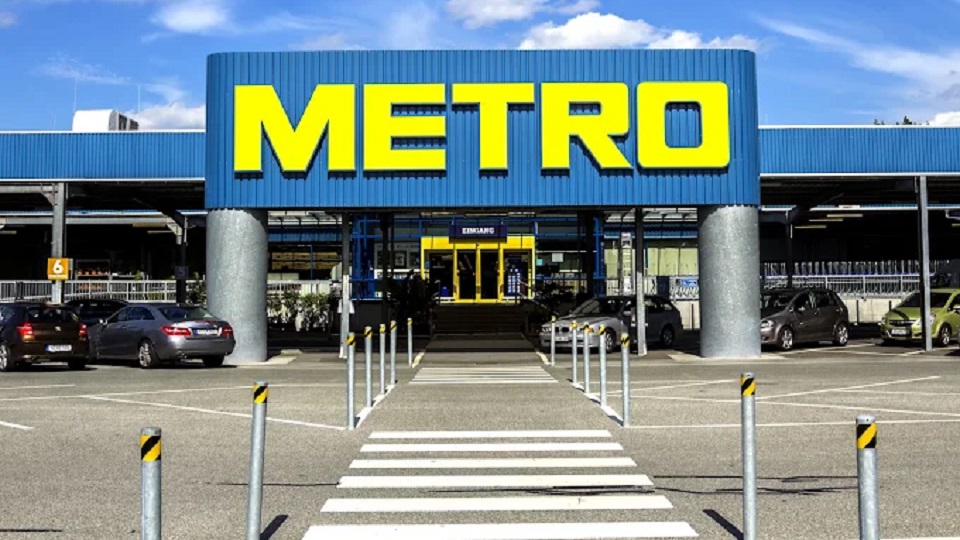
The only Metro wholesale store operating in the frontline Ukrainian regional center of Zaporizhzhia will suspend its operations starting August 1, 2025, for an indefinite period. The German retail giant announced this difficult decision citing the ongoing Russian military attacks that have made normal business operations increasingly dangerous and unsustainable. This closure marks another significant blow to civilian infrastructure and daily life in one of Ukraine’s most strategically important cities, which has been under constant threat since the beginning of Russia’s full-scale invasion in February 2022.
Security Concerns Force Business Retreat
The decision to close the Zaporizhzhia Metro store was not made lightly. Company representatives emphasized that the safety of employees and customers has become the paramount concern as Russian forces continue to target civilian infrastructure throughout the Zaporizhzhia region. The city, located approximately 50 kilometers from the front lines, has experienced regular missile and drone attacks that have damaged residential buildings, energy infrastructure, and commercial facilities. Metro’s management reportedly conducted extensive risk assessments before concluding that continuing operations posed unacceptable dangers to all stakeholders involved.
Metro Cash & Carry, known in Ukraine simply as Metro, has been operating in the country since 2003, when it opened its first stores as part of its Eastern European expansion strategy. The wholesale retail format became popular among small business owners, restaurant operators, and individual consumers seeking bulk purchases at competitive prices. At its peak, Metro operated approximately 30 stores across Ukraine, becoming an integral part of the country’s retail landscape and employing thousands of Ukrainian workers.
Impact on Local Economy and Residents
The closure of Metro in Zaporizhzhia represents more than just the loss of a shopping destination—it symbolizes the broader economic devastation that war brings to civilian populations. For the remaining residents of Zaporizhzhia, who have already seen their city’s population decrease significantly since the invasion began, losing access to the wholesale retailer means fewer options for purchasing essential goods at affordable prices. Small business owners who relied on Metro for inventory supplies will now face additional logistical challenges and potentially higher costs as they seek alternative suppliers in safer regions.
Zaporizhzhia holds particular strategic significance as the location of Europe’s largest nuclear power plant, which has been under Russian occupation since March 2022. The city itself remains under Ukrainian control, serving as a crucial hub for humanitarian operations and civilian evacuation efforts from occupied territories. Before the war, Zaporizhzhia was a thriving industrial center with a population exceeding 700,000 people. Current estimates suggest that roughly half of the pre-war population has fled, either to safer regions of Ukraine or abroad.
Western Businesses Navigate War Zone Operations
Metro’s decision reflects the broader challenges facing international corporations attempting to maintain operations in active conflict zones. Several major Western retailers and manufacturers have had to make similar difficult choices since 2022, balancing their commitment to Ukrainian markets against the practical and ethical considerations of operating in dangerous environments. Some companies have chosen to maintain reduced operations, while others have temporarily or permanently withdrawn from affected regions.
The German company has not indicated any timeline for potentially resuming operations in Zaporizhzhia, stating only that the situation will be continuously monitored. Industry analysts suggest that any return would depend on significant improvements in the security situation, which appears unlikely in the near term given the ongoing intensity of the conflict. Meanwhile, Metro continues to operate stores in other Ukrainian cities that are considered relatively safer, maintaining its presence in the Ukrainian market despite the extraordinary challenges posed by the war.
Expert Opinion: The closure of major international retailers like Metro from frontline cities signals a critical threshold in the economic sustainability of war-affected regions. As businesses withdraw, local economies face compounding pressures that could take years to recover even after hostilities cease. This pattern suggests that post-war reconstruction will require not only physical rebuilding but also significant efforts to restore commercial confidence and attract businesses back to formerly contested areas.