


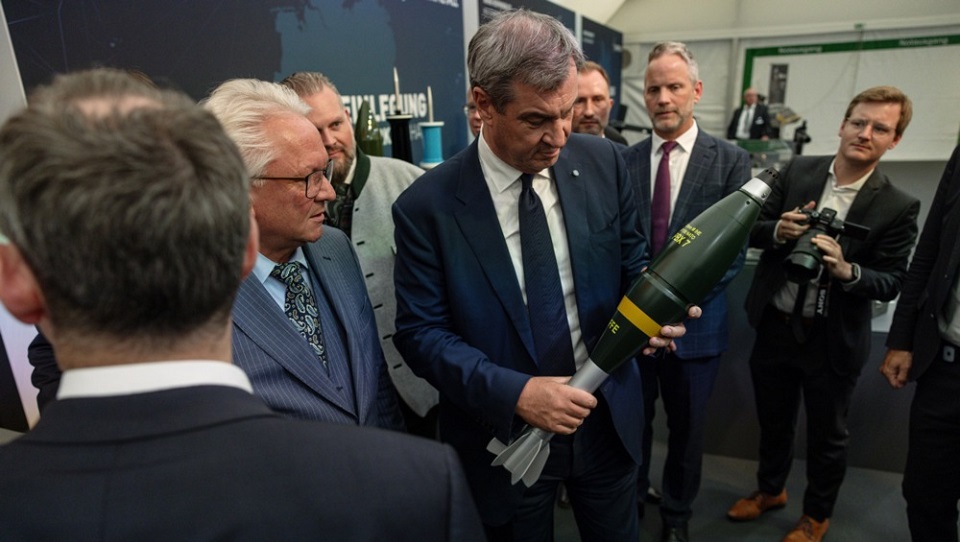
The German government is planning a significant shift in its defense spending priorities, with reports indicating that ammunition procurement budgets will be substantially reduced starting in 2027. According to Bloomberg, this strategic reallocation of funds will redirect resources toward more advanced military technologies, marking a potential turning point in Germany’s post-Cold War defense posture. The decision has sent ripples through the European defense industry, particularly affecting Rheinmetall, Germany’s largest ammunition manufacturer and one of Europe’s most prominent defense contractors.
The announcement comes at a particularly sensitive time for European security, as the continent grapples with ongoing geopolitical tensions following Russia’s invasion of Ukraine in February 2022. Germany had previously committed to a historic 100-billion-euro special fund for military modernization, known as the Sondervermögen, which was established to address decades of underinvestment in the Bundeswehr. The planned reduction in ammunition spending appears to signal a new phase in Germany’s defense strategy, prioritizing technological advancement over conventional stockpiling.
Impact on Rheinmetall and the Defense Industry
Rheinmetall, headquartered in Düsseldorf, has been one of the primary beneficiaries of increased European defense spending since the outbreak of the Ukraine conflict. The company’s stock price surged dramatically over the past two years as NATO allies scrambled to replenish depleted ammunition stockpiles and support Ukraine’s defensive efforts. However, the prospect of reduced German ammunition orders has raised concerns among investors and industry analysts about the company’s long-term growth trajectory in its home market.
The defense giant has diversified its portfolio significantly in recent years, expanding into areas such as military vehicles, air defense systems, and digital combat solutions. Nevertheless, ammunition production remains a core business segment, and Germany has traditionally been one of its largest customers. Industry experts suggest that Rheinmetall may need to accelerate its international expansion efforts and further diversify its product offerings to offset potential losses in domestic ammunition contracts.
Germany’s Shift Toward Advanced Military Technologies
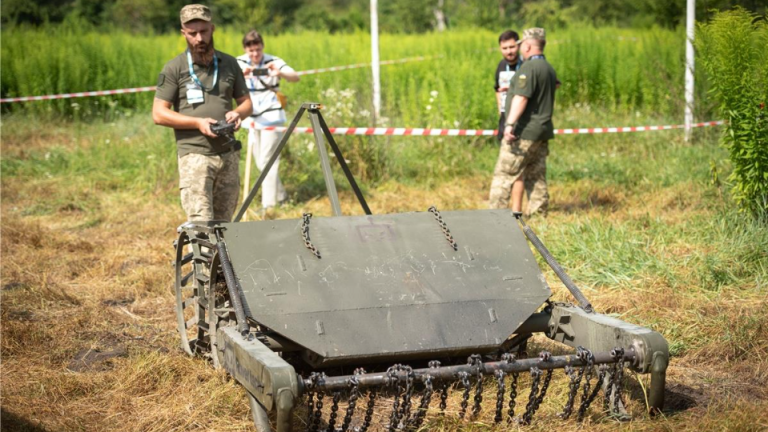
The German government’s decision to prioritize modern military technologies reflects a broader global trend in defense spending. Military planners increasingly recognize that future conflicts will be shaped by advanced systems including artificial intelligence, autonomous weapons platforms, cyber warfare capabilities, and next-generation air defense networks. The lessons learned from the Ukraine conflict have demonstrated both the importance of conventional ammunition supplies and the transformative potential of advanced technologies such as drones, precision-guided munitions, and integrated battlefield management systems.
Germany’s strategic pivot aligns with NATO’s ongoing efforts to modernize alliance capabilities and maintain technological superiority. The German Air Force is currently pursuing the acquisition of advanced fighter aircraft, while the Army is exploring new armored vehicle platforms and enhanced reconnaissance systems. Additionally, Berlin has committed to significant investments in space-based assets and cyber defense infrastructure, areas that were previously underfunded compared to other NATO members.
European Security Implications and Future Outlook
The reduction in German ammunition spending raises important questions about European collective defense capabilities and burden-sharing within NATO. While Germany’s investment in advanced technologies may enhance overall alliance capabilities in the long term, some analysts worry about near-term readiness gaps, particularly given the ongoing demands of supporting Ukraine. European defense ministers have repeatedly emphasized the need for sustained investment in both conventional and advanced military capabilities to address the full spectrum of potential threats.
Looking ahead, the German defense industry will likely undergo significant transformation as government priorities evolve. Companies that successfully adapt to the new funding environment by developing cutting-edge technologies may find substantial opportunities, while those heavily dependent on traditional ammunition contracts could face challenging market conditions. The ultimate success of Germany’s strategic rebalancing will depend on careful execution and continued coordination with NATO allies to ensure that Europe’s collective defense remains robust in an increasingly uncertain security environment.
Expert Opinion: Germany’s strategic pivot from conventional ammunition to advanced military technologies represents a calculated bet on the future nature of warfare, but it carries significant short-term risks. Defense analysts suggest that while this approach may position the Bundeswehr for future conflicts, the transition period could create capability gaps that adversaries might exploit. The key challenge for Berlin will be maintaining adequate conventional readiness while simultaneously investing in next-generation systems—a balancing act that few NATO members have successfully achieved.