



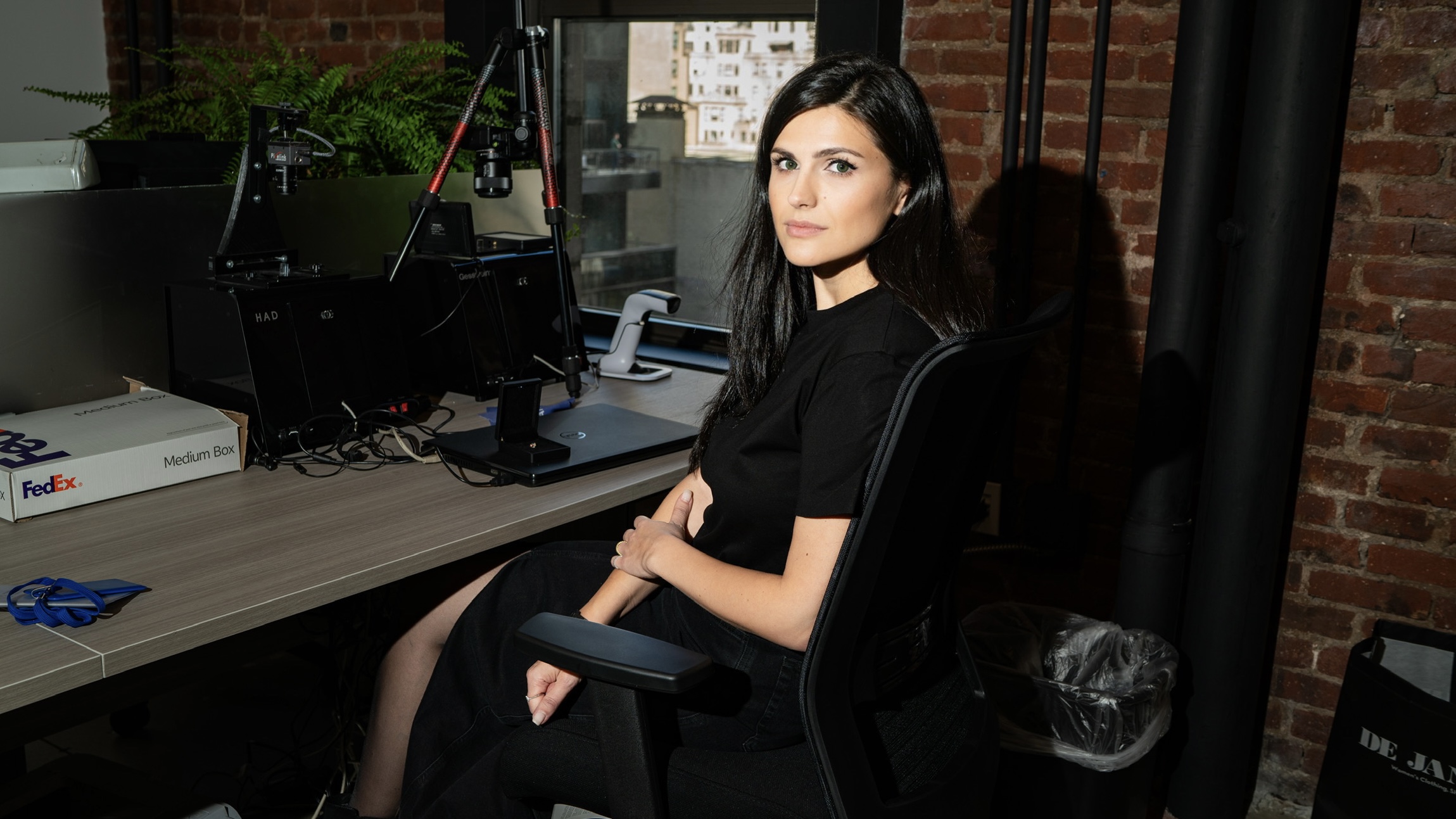
Yulia Kusher, the founder of luxury jewelry brand Solo for Diamonds, has opened up about the challenges and triumphs of building an international jewelry business in one of the world’s most competitive markets. In a candid interview, the entrepreneur discussed her strategic approach to the American market, her aggressive reinvestment strategy that sees 50% of profits channeled back into marketing, and addressed the controversy surrounding her alleged connection to a figure involved in the notorious “Midas” case. Her story offers a fascinating glimpse into the high-stakes world of luxury jewelry entrepreneurship, where reputation is everything and a single scandal can threaten years of careful brand building.
Building a Diamond Empire in America
The United States represents the world’s largest market for luxury jewelry, accounting for approximately 30% of global diamond jewelry sales. For Solo for Diamonds, entering this fiercely competitive landscape required not just exceptional craftsmanship but also a sophisticated understanding of American consumer psychology. Kusher explained that her decision to reinvest half of all profits into marketing wasn’t merely ambitious—it was necessary for survival in a market dominated by legacy brands like Tiffany & Co., Harry Winston, and Cartier, which have spent decades cultivating their American clientele.
The American luxury jewelry market has undergone significant transformation in recent years, with younger consumers increasingly seeking brands that offer both quality and authenticity. This shift has created opportunities for newer entrants who can effectively communicate their unique value propositions through digital channels and social media. Solo for Diamonds has capitalized on this trend, building a strong online presence while maintaining the exclusivity that luxury consumers expect. Industry analysts note that successful penetration of the US market typically requires sustained investment over three to five years before achieving significant brand recognition.
The Midas Case Controversy
Perhaps the most challenging aspect of Kusher’s recent experience has been addressing the scandal involving her alleged connection to Mindich, a figure reportedly connected to the “Midas” case—a high-profile investigation that has sent shockwaves through business circles. “This has damaged our reputation,” Kusher acknowledged, speaking with remarkable candor about the impact on her brand. The jewelry industry, built fundamentally on trust and the perception of integrity, is particularly vulnerable to reputational damage. Clients purchasing high-value diamond pieces need absolute confidence in the provenance of their purchases and the ethical standing of the brands they support.
The broader context of the Midas case reflects ongoing concerns about financial transparency and business ethics in the post-Soviet business sphere. For entrepreneurs like Kusher, who have worked to build legitimate international businesses, such associations—whether warranted or not—can undermine years of careful reputation management. Legal experts suggest that in today’s interconnected business world, due diligence on business associations has become as important as product quality itself. The incident highlights the complex web of relationships that entrepreneurs must navigate when building businesses across international boundaries.
The Future of Luxury Diamonds
Despite these challenges, Kusher remains committed to her vision for Solo for Diamonds. The global diamond industry itself is undergoing profound changes, with lab-grown diamonds capturing an increasing market share and younger consumers demanding greater transparency about sourcing and sustainability. Natural diamond producers and retailers have responded by emphasizing the unique characteristics and emotional significance of mined stones, while also implementing more rigorous tracking systems to ensure ethical sourcing throughout the supply chain.
Looking ahead, the luxury jewelry market is projected to grow significantly, driven by wealth creation in emerging markets and the enduring appeal of diamonds as symbols of achievement and commitment. For Solo for Diamonds, success will depend not only on recovering from recent reputational challenges but also on continuing to deliver exceptional products while adapting to evolving consumer expectations. Kusher’s willingness to address controversies directly and her aggressive investment in brand building suggest a entrepreneur prepared to weather short-term storms in pursuit of long-term success in one of the world’s most demanding luxury markets.
Expert Opinion: The intersection of reputation management and luxury brand building has never been more critical than in today’s hyper-connected marketplace. Kusher’s strategy of aggressive marketing reinvestment, combined with transparent crisis communication, represents a modern approach to luxury brand development. However, the true test will come in the next 18-24 months as consumers determine whether the brand’s quality proposition outweighs any lingering reputational concerns from the Midas association.