




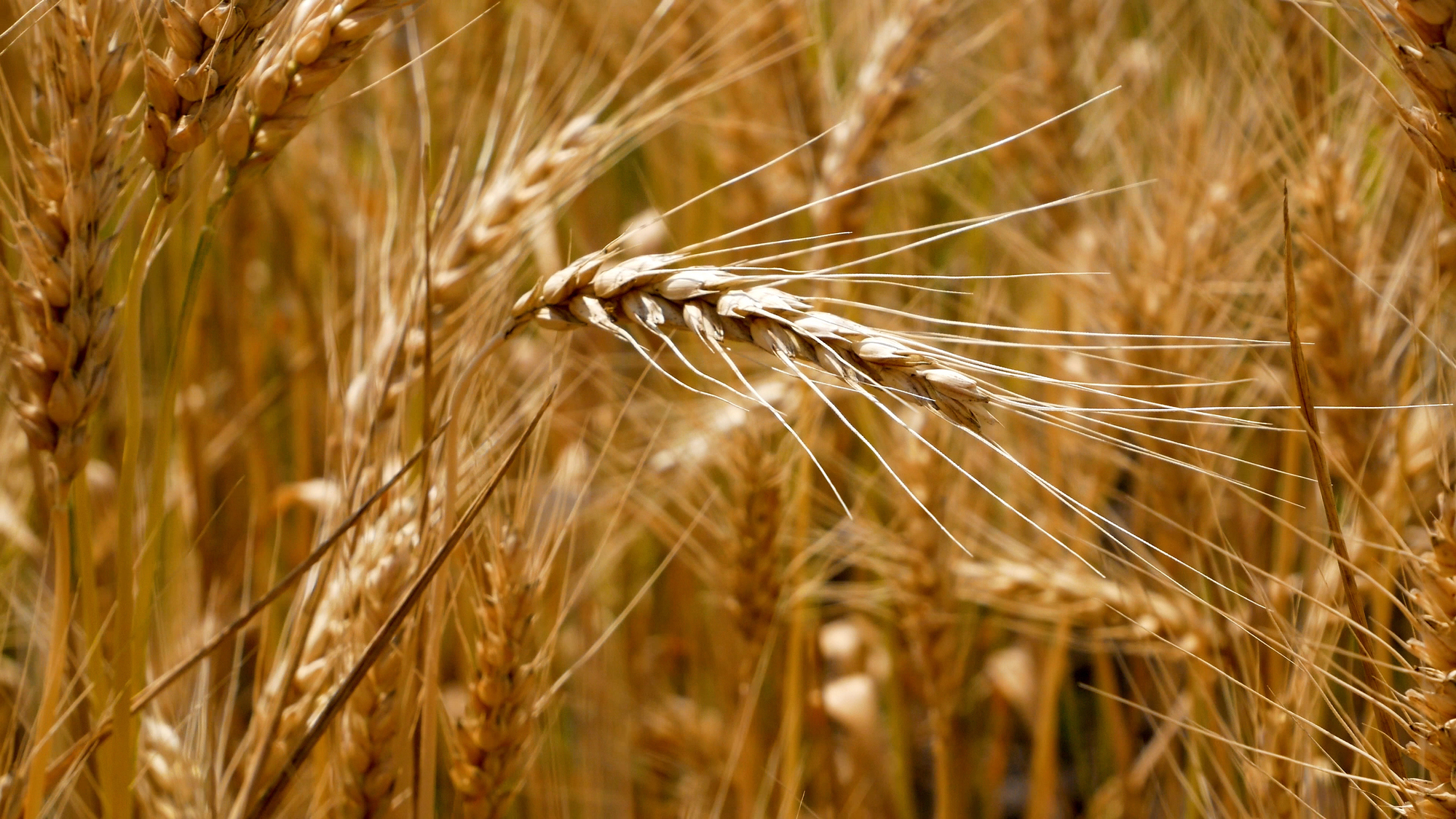
The United States Department of Agriculture (USDA) has announced an upward revision to its forecast for Ukrainian wheat exports, increasing the projection by 500,000 tons. This positive adjustment reflects improved expectations for Ukraine’s agricultural sector despite the ongoing challenges the country faces. The revised estimate signals growing confidence in Ukraine’s ability to maintain its position as a major player in global grain markets, providing crucial supplies to food-importing nations around the world.
Details of the USDA Forecast Revision
The USDA’s World Agricultural Supply and Demand Estimates (WASDE) report, which serves as a benchmark for global agricultural markets, now projects stronger Ukrainian wheat exports for the current marketing year. This 500,000-ton increase brings the total export forecast to a more optimistic level, suggesting that Ukrainian farmers and exporters have successfully navigated numerous logistical and operational challenges. The revision takes into account improved harvest conditions in certain regions and enhanced export corridor efficiency through Black Sea ports and alternative land routes through neighboring European Union countries.
Ukraine has historically been one of the world’s top wheat exporters, typically ranking among the top five global suppliers alongside Russia, the European Union, the United States, Canada, and Australia. Before 2022, Ukraine was responsible for approximately 10% of global wheat exports, playing a particularly vital role in supplying grain to Middle Eastern and African nations that depend heavily on affordable food imports. The country’s fertile black soil, known as chernozem, is considered among the most productive agricultural land in the world, enabling high yields of various grain crops including wheat, corn, and barley.
Impact on Global Food Security
The increased export forecast carries significant implications for global food security and international grain prices. As one of the world’s breadbaskets, Ukraine’s agricultural output directly affects food availability and affordability for millions of people in import-dependent countries. The Black Sea Grain Initiative, brokered by the United Nations and Turkey, previously facilitated the safe passage of grain shipments through the Black Sea, and alternative export routes through Romanian ports and Polish rail connections have helped maintain supply chains. Market analysts suggest that the improved Ukrainian export outlook could help stabilize wheat prices on international commodities exchanges, providing relief to countries struggling with food inflation.
The agricultural sector remains a cornerstone of the Ukrainian economy, contributing significantly to GDP and employment in rural areas. Despite operational difficulties, Ukrainian farmers have demonstrated remarkable resilience in maintaining production levels. Government support programs, international agricultural assistance, and the determination of local farming communities have all contributed to sustaining output. The spring planting season showed encouraging results in many regions, with adequate rainfall and favorable weather conditions supporting crop development throughout the growing period.
Market Outlook and Future Prospects
Looking ahead, market observers and agricultural economists are cautiously optimistic about Ukraine’s continued role in global grain markets. The USDA’s revised forecast aligns with reports from other agricultural monitoring organizations, including the International Grains Council and the Food and Agriculture Organization of the United Nations. These institutions have similarly noted the resilience of Ukrainian agriculture and its ongoing contribution to global food supplies. Traders on major commodities exchanges in Chicago, Paris, and other global hubs will closely monitor subsequent USDA reports for further adjustments to production and export estimates.
The wheat market remains sensitive to various factors including weather conditions in major producing regions, currency fluctuations, transportation costs, and geopolitical developments. For importing nations, the improved Ukrainian export outlook provides welcome news amid concerns about global food price volatility. Countries in North Africa and the Middle East, which import substantial quantities of Black Sea wheat, stand to benefit from increased supply availability. As the marketing year progresses, further revisions to production and export forecasts may occur based on actual harvest results and evolving market conditions.
Expert Opinion: The USDA’s upward revision reflects Ukraine’s extraordinary agricultural resilience and adaptability under challenging circumstances. This forecast increase of 500,000 tons, while modest in percentage terms, sends an important signal to global markets about supply stability and could help moderate price pressures in wheat-dependent economies. Looking forward, sustained investment in alternative export infrastructure and continued international support will be critical for Ukraine to maintain and potentially expand its role as a key global food supplier.