




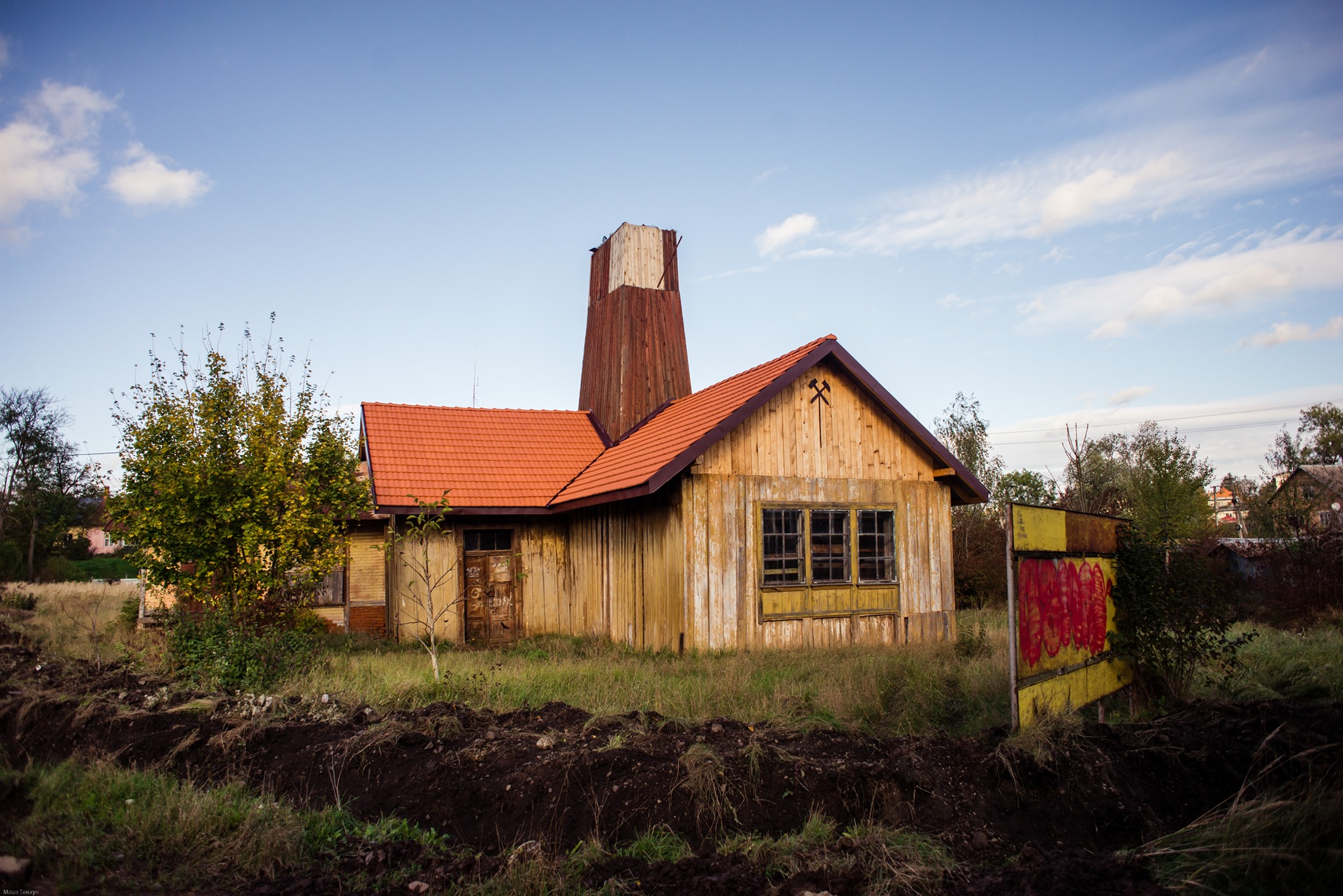
The State Property Fund of Ukraine has announced the second attempt to privatize the Drohobych Salt Works, marking another chapter in the long and complex history of this remarkable industrial facility. The salt production enterprise, widely recognized as the oldest continuously operating industrial facility in Ukraine, has been placed on the auction block once again after previous privatization efforts failed to attract suitable buyers. This development comes as Ukraine continues its broader economic reform agenda despite the ongoing challenges posed by the war with Russia.
The Drohobych Salt Works holds an extraordinary place in European industrial history. Located in the Lviv region of western Ukraine, the facility traces its origins back to the 13th century, making it one of the oldest industrial enterprises not just in Ukraine, but across the entire European continent. Salt production in the Drohobych area has been documented since medieval times, when salt was considered “white gold” and served as a crucial commodity for food preservation, trade, and even currency. The enterprise has survived numerous wars, political transitions, and economic upheavals over its roughly 800-year history, adapting to changing technologies and market conditions while maintaining continuous production.
Historical Significance and Economic Value
The strategic importance of salt in medieval and early modern Europe cannot be overstated. Control over salt production often determined the economic prosperity of entire regions, and the Drohobych area became a significant center of the salt trade in the Kingdom of Poland and later the Austro-Hungarian Empire. The facility’s survival through centuries of conflict, including both World Wars and the Soviet era, speaks to the enduring demand for this essential mineral and the resilience of the local workforce. During the Soviet period, the salt works was nationalized and operated as a state enterprise, producing salt for industrial and consumer use across the USSR.
Ukraine’s State Property Fund has been working to privatize numerous state-owned enterprises as part of broader economic reforms encouraged by international partners, including the International Monetary Fund and the European Union. The privatization of aging industrial assets is seen as essential for modernizing Ukraine’s economy, attracting investment, and reducing the burden on state finances. However, selling historic enterprises like the Drohobych Salt Works presents unique challenges, as potential buyers must balance commercial viability with the responsibility of maintaining a site of significant cultural and historical importance.
Challenges Facing the Privatization Process
The fact that this represents the second attempt at privatization suggests that finding suitable investors has proven difficult. Several factors may be contributing to this challenge. The ongoing conflict with Russia has created uncertainty for investors considering Ukrainian assets, while the enterprise itself may require significant capital investment for modernization. Additionally, potential buyers must navigate complex regulations surrounding historic industrial sites and demonstrate their commitment to preserving the facility’s heritage while making it economically sustainable. The salt production industry also faces global competition and changing market dynamics that potential investors must carefully evaluate.
Despite these challenges, the privatization of the Drohobych Salt Works could represent a significant opportunity for investors interested in Ukraine’s potential post-war economic recovery. Western Ukraine, where the facility is located, has been relatively less affected by the ongoing conflict compared to eastern regions, making it a more attractive destination for investment. The enterprise’s brand recognition, historical significance, and established production capabilities could provide a foundation for future growth if properly managed and modernized. International observers will be watching closely to see whether this second privatization attempt succeeds in finding a buyer capable of carrying forward nearly a millennium of salt production tradition.
Expert Opinion: The repeated privatization attempt for Drohobych Salt Works reflects the broader tension between Ukraine’s urgent need for economic modernization and the inherent risks that war-time conditions pose to potential investors. Success in this auction could serve as a bellwether for foreign investment confidence in Ukrainian state assets, while also demonstrating that privatization of heritage industrial sites can be achieved responsibly. Investors with long-term horizons and interest in EU market access following Ukraine’s candidacy status may find compelling value despite current uncertainties.