


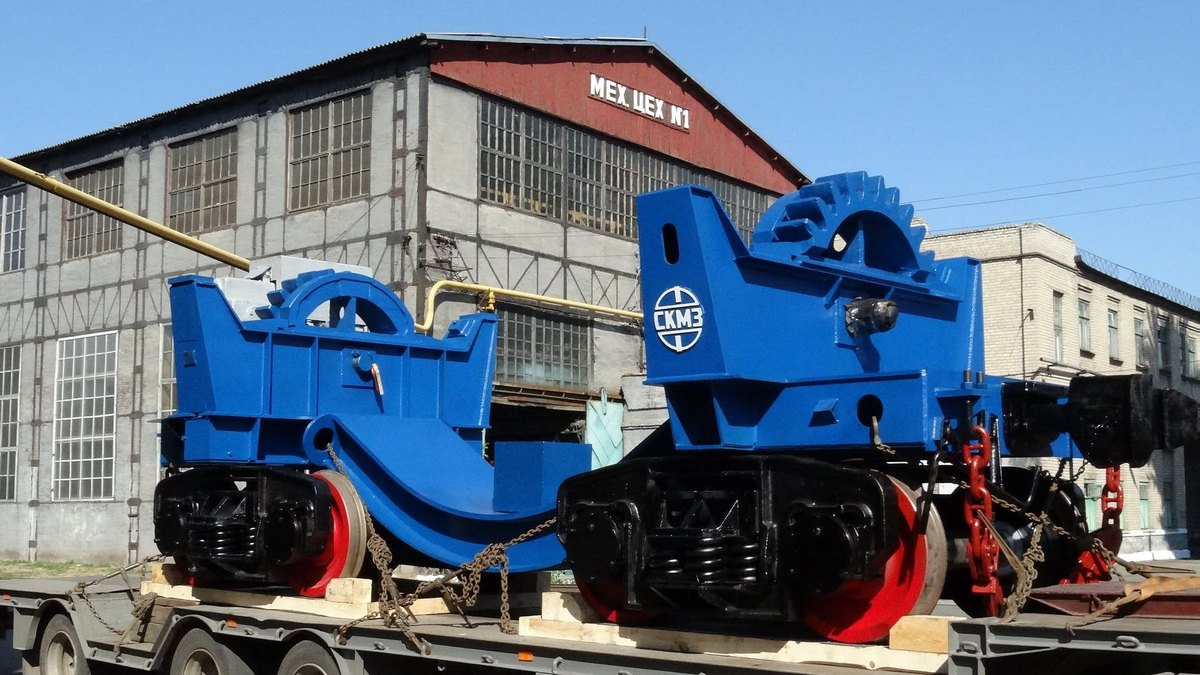
The Starokramatorsky Machine-Building Plant, one of Ukraine’s most historically significant industrial enterprises, has officially ceased to exist after being declared bankrupt. The liquidation procedure has now begun for this legendary factory that traced its origins back to 1896, marking the end of nearly 130 years of industrial heritage in the Donetsk region. This closure represents not just the loss of a single enterprise, but symbolizes the broader challenges facing Ukraine’s heavy industry sector amid ongoing conflict and economic transformation.
A Legacy Spanning Three Centuries of Industrial Development
The Starokramatorsky Machine-Building Plant, commonly known by its Ukrainian acronym SKMZ, was founded during the final years of the Russian Empire in 1896. The factory was established during a period of rapid industrialization in the Donbas region, which was becoming one of Europe’s most important centers for coal mining and metallurgy. Over the decades, the plant evolved from producing mining equipment to becoming a cornerstone of Soviet heavy industry, manufacturing everything from metallurgical machinery to components for major infrastructure projects across the USSR.
Throughout the 20th century, SKMZ survived two world wars, multiple economic crises, and the collapse of the Soviet Union. During World War II, the plant was evacuated and its equipment relocated to prevent capture by Nazi forces, only to be rebuilt and expanded in the postwar period. The factory became synonymous with Kramatorsk itself, providing employment to generations of families and establishing the city as a center of engineering excellence. At its peak during the Soviet era, the enterprise employed thousands of workers and was considered a flagship of socialist industrial achievement.
The Decline of Ukrainian Heavy Industry
The bankruptcy of SKMZ reflects broader trends affecting Ukraine’s industrial heartland. Following Ukraine’s independence in 1991, many Soviet-era enterprises struggled to adapt to market economics and find new customers for their specialized products. The situation worsened dramatically after 2014, when conflict erupted in eastern Ukraine, disrupting supply chains, displacing workers, and cutting off traditional markets. Kramatorsk, located in the Donetsk region, has been particularly affected by the ongoing war, with many businesses forced to relocate or cease operations entirely.
Economic analysts have long warned about the vulnerability of Ukraine’s heavy machinery sector, which was built primarily to serve Soviet-era needs that no longer exist. Many factories continued producing equipment for which demand had collapsed, while lacking the capital investment needed to modernize and compete internationally. The full-scale Russian invasion beginning in February 2022 accelerated these challenges, creating additional pressure on enterprises already struggling to survive. Energy costs, skilled labor shortages, and infrastructure damage have all contributed to the precarious situation facing industrial plants throughout eastern Ukraine.
Impact on Kramatorsk and the Regional Economy
The closure of SKMZ will have significant ramifications for Kramatorsk and the surrounding region. While exact current employment figures have not been disclosed, the factory historically represented a major source of jobs and economic activity for the city. The loss of such an enterprise affects not only direct employees but also the network of suppliers, service providers, and local businesses that depended on the plant’s operations. For a city already dealing with the challenges of proximity to active conflict zones, this bankruptcy adds another layer of economic hardship.
Local authorities and economic development experts will now face difficult questions about the future of the factory’s facilities and workforce. Industrial sites of this nature can sometimes be repurposed for new manufacturing ventures or other economic activities, though such transformations require significant investment and favorable conditions that may be difficult to achieve during wartime. The skilled workers who spent their careers at SKMZ possess valuable expertise that could potentially be redirected toward defense manufacturing or other priority sectors, though the practical challenges of such transitions remain substantial.
Expert Opinion: The bankruptcy of Starokramatorsky Machine-Building Plant underscores the urgent need for Ukraine to develop a comprehensive post-war industrial strategy that addresses both immediate economic survival and long-term modernization. While the loss of this historic enterprise is significant, Ukraine’s recovery will likely depend on attracting foreign investment to build new, technologically advanced manufacturing capabilities rather than attempting to revive Soviet-era industrial models that have become economically unviable.