




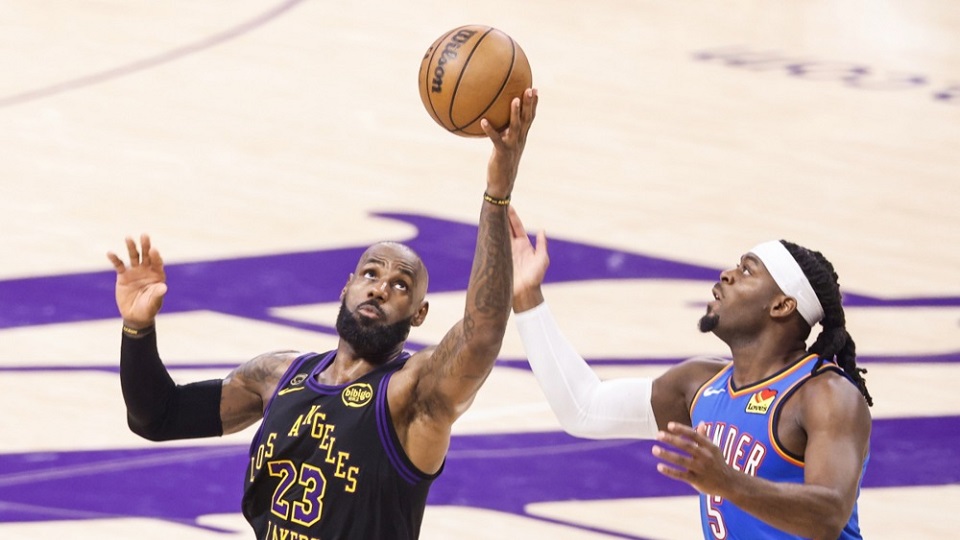
In what marks a watershed moment for professional sports, the Los Angeles Lakers have been sold for an unprecedented $12.5 billion, shattering all previous records for sports franchise valuations. The historic transaction sees former Disney CEO Bob Iger and Marc Mezvinsky, the brother-in-law of former President Donald Trump, acquiring one of the most storied and successful franchises in NBA history. This landmark deal not only underscores the explosive growth in sports team valuations but also signals a new era for one of basketball’s most iconic organizations.
The sale represents a staggering increase from the franchise’s previous valuation and far exceeds the $6.3 billion paid for the Washington Commanders in 2023, which held the previous record for the most expensive sports team purchase. The Lakers, with their 17 NBA championships tying them with the Boston Celtics for the most in league history, have long been considered one of the crown jewels of professional sports. The franchise’s combination of on-court success, global brand recognition, and prime Los Angeles market position made it an irresistible target for deep-pocketed investors seeking entry into the elite world of professional sports ownership.
The Buyers Behind the Historic Deal
Bob Iger, whose tenure at Disney transformed the entertainment giant into a global powerhouse through acquisitions of Pixar, Marvel, Lucasfilm, and 21st Century Fox, brings unparalleled media and entertainment expertise to the Lakers organization. His experience in building global brands and navigating complex media landscapes could prove invaluable as the NBA continues to negotiate lucrative broadcasting deals and expand its international footprint. Iger’s involvement signals that the new ownership group views the Lakers not merely as a basketball team but as a multimedia entertainment property with vast untapped potential.
Marc Mezvinsky, an investment banker who is married to Chelsea Clinton and whose brother is married to Ivanka Trump’s cousin, adds significant financial acumen to the ownership group. His connections spanning both sides of the political spectrum and his background in hedge fund management suggest a sophisticated approach to maximizing the franchise’s value. The diverse backgrounds of the principal buyers indicate a strategy that likely combines entertainment industry innovation with aggressive financial optimization.
The Buss Family Legacy Comes to an End
The sale marks the end of an era for the Buss family, who have owned the Lakers since Jerry Buss purchased the team in 1979 for $67.5 million. Under their stewardship, the Lakers won ten NBA championships and became synonymous with glamour, celebrity, and basketball excellence. The franchise’s “Showtime” era of the 1980s, featuring Magic Johnson and Kareem Abdul-Jabbar, and the dominant early 2000s teams led by Shaquille O’Neal and Kobe Bryant, cemented the Lakers’ status as a global sports phenomenon. The decision to sell, while surprising to many fans, reflects the astronomical valuations that have made sports team ownership increasingly attractive to billionaires and institutional investors alike.
Rising Valuations Transform Professional Sports
The Lakers sale is emblematic of a broader trend in professional sports, where franchise values have skyrocketed in recent years due to lucrative media rights deals, international expansion, and the scarcity of available teams. The NBA, in particular, has benefited from growing global popularity, with strong followings in China, Europe, and emerging markets. Recent league negotiations for broadcasting rights have resulted in deals worth tens of billions of dollars, with streaming platforms competing fiercely with traditional networks for content. These revenue streams, combined with the inherent value of owning irreplaceable assets in major markets, have transformed sports teams into sought-after investments that often outperform traditional asset classes.
Industry analysts suggest that this record-breaking sale could trigger a reassessment of valuations across professional sports. Franchises in major markets, particularly those with championship pedigrees and strong brand identities, may see their estimated worth increase significantly. The transaction also raises questions about the future accessibility of team ownership, as prices climb beyond the reach of all but the wealthiest individuals and investment groups. As the sports industry continues to evolve, the Lakers’ sale will likely be remembered as a pivotal moment that redefined what elite franchises are truly worth in the modern era.
Expert Opinion: This unprecedented $12.5 billion valuation reflects not just the Lakers’ historic success but the fundamental transformation of sports franchises into multimedia entertainment platforms. With streaming wars intensifying and global audiences expanding, we can expect other marquee franchises to command similar premiums, potentially pushing the next record-breaking sale above $15 billion within the next five years. The involvement of media-savvy executives like Bob Iger suggests ownership groups increasingly view sports teams as content engines rather than traditional athletic organizations.