


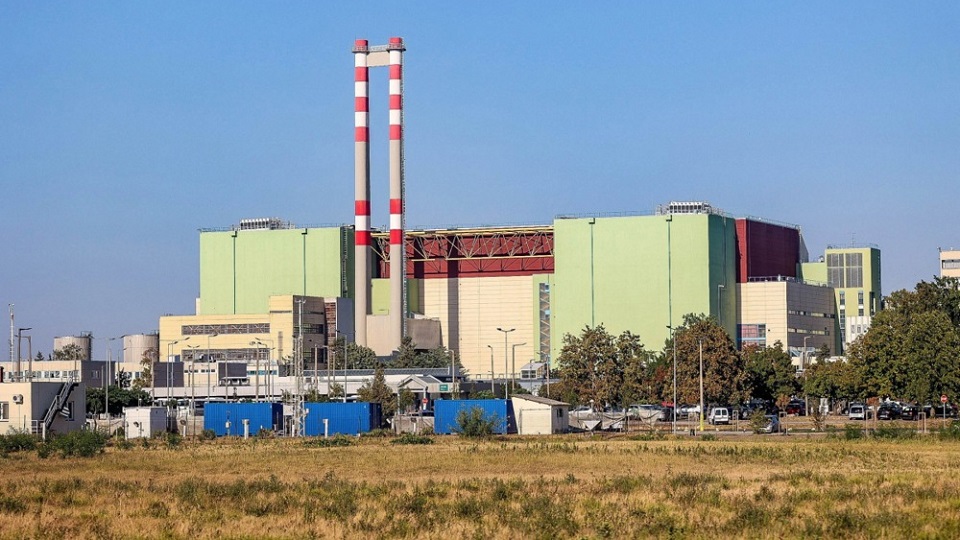
Hungary’s sole nuclear power facility, the Paks Nuclear Power Plant, has successfully restored approximately 75 percent of its generating capacity after experiencing operational disruptions caused by historically low water levels in the Danube River. According to recent reports, three of the plant’s four reactor units are now operating at full capacity, while the fourth unit is being reconnected to the grid following a carefully planned schedule. The restoration marks a significant recovery for Hungary’s energy infrastructure, which relies heavily on the Paks facility for its electricity needs.
The situation highlights the growing vulnerability of nuclear power plants to climate-related water scarcity issues. Nuclear facilities require substantial amounts of water for cooling purposes, and when river levels drop below critical thresholds, operators must reduce output or temporarily shut down reactors to prevent overheating and ensure safety. The Danube, Europe’s second-longest river, has experienced increasingly severe low-water episodes in recent years due to prolonged drought conditions affecting Central Europe.
The Critical Role of Paks in Hungary’s Energy Security
The Paks Nuclear Power Plant represents the backbone of Hungary’s electricity generation infrastructure, typically supplying between 45 and 50 percent of the country’s total power needs. Located along the banks of the Danube River approximately 100 kilometers south of Budapest, the facility has been operational since the 1980s and consists of four Soviet-designed VVER-440 pressurized water reactors. Each unit has a capacity of approximately 500 megawatts, giving the plant a combined output of roughly 2,000 megawatts when all reactors are functioning at full capacity.
The plant’s strategic importance has only grown in recent years as Hungary has faced energy security challenges stemming from geopolitical tensions and fluctuating fossil fuel prices. Nuclear power provides baseload electricity generation that is largely insulated from short-term market volatility, making Paks essential for grid stability. The Hungarian government has long emphasized the importance of maintaining and expanding nuclear capacity, with plans for the Paks II expansion project that would add two new Russian-built reactors to the site.
Climate Change and Water Stress Threatening European Nuclear Operations
The Danube low-water incident at Paks is part of a broader pattern affecting nuclear facilities across Europe. During the severe heat waves of 2022 and 2023, multiple French nuclear plants along the Rhône and Garonne rivers were forced to reduce output due to warm water temperatures and reduced river flows. Similarly, facilities in Germany and Switzerland have faced periodic constraints related to water availability. Climate scientists warn that such events are likely to become more frequent and severe as global temperatures continue to rise, presenting long-term challenges for the nuclear industry.
Water is essential for nuclear plant operations, primarily for cooling the reactor cores and condensing steam in the electricity generation process. Most nuclear facilities use either once-through cooling systems, which draw water directly from rivers or oceans, or closed-loop cooling towers that recirculate water but still require makeup water to replace losses from evaporation. When water temperatures rise too high or levels fall too low, plant operators must curtail operations to comply with environmental regulations and safety requirements.
Looking Ahead: Adaptation and Infrastructure Investment
Industry experts suggest that nuclear plant operators across Europe will need to invest in adaptive measures to cope with changing climate conditions. These may include upgrading cooling systems, implementing water storage solutions, or exploring alternative cooling technologies. For Hungary specifically, the successful restoration of Paks capacity provides temporary relief, but the underlying vulnerability remains. The government continues to pursue its nuclear expansion plans while also investing in renewable energy sources to diversify the national energy mix and reduce dependence on any single facility or fuel source.
The gradual reconnection of the fourth reactor unit at Paks demonstrates the careful procedures nuclear operators must follow when bringing systems back online after any disruption. Such processes typically involve extensive safety checks, gradual power increases, and continuous monitoring to ensure all systems function correctly before reaching full operational capacity.
Expert Opinion: The Paks incident serves as a critical reminder that even low-carbon energy sources face significant climate adaptation challenges. As European rivers experience more frequent and severe drought conditions, nuclear operators will need to implement substantial infrastructure upgrades or risk recurring capacity limitations during peak summer demand periods. Countries heavily dependent on river-cooled nuclear facilities should accelerate diversification strategies while investing in more resilient cooling technologies for existing plants.