


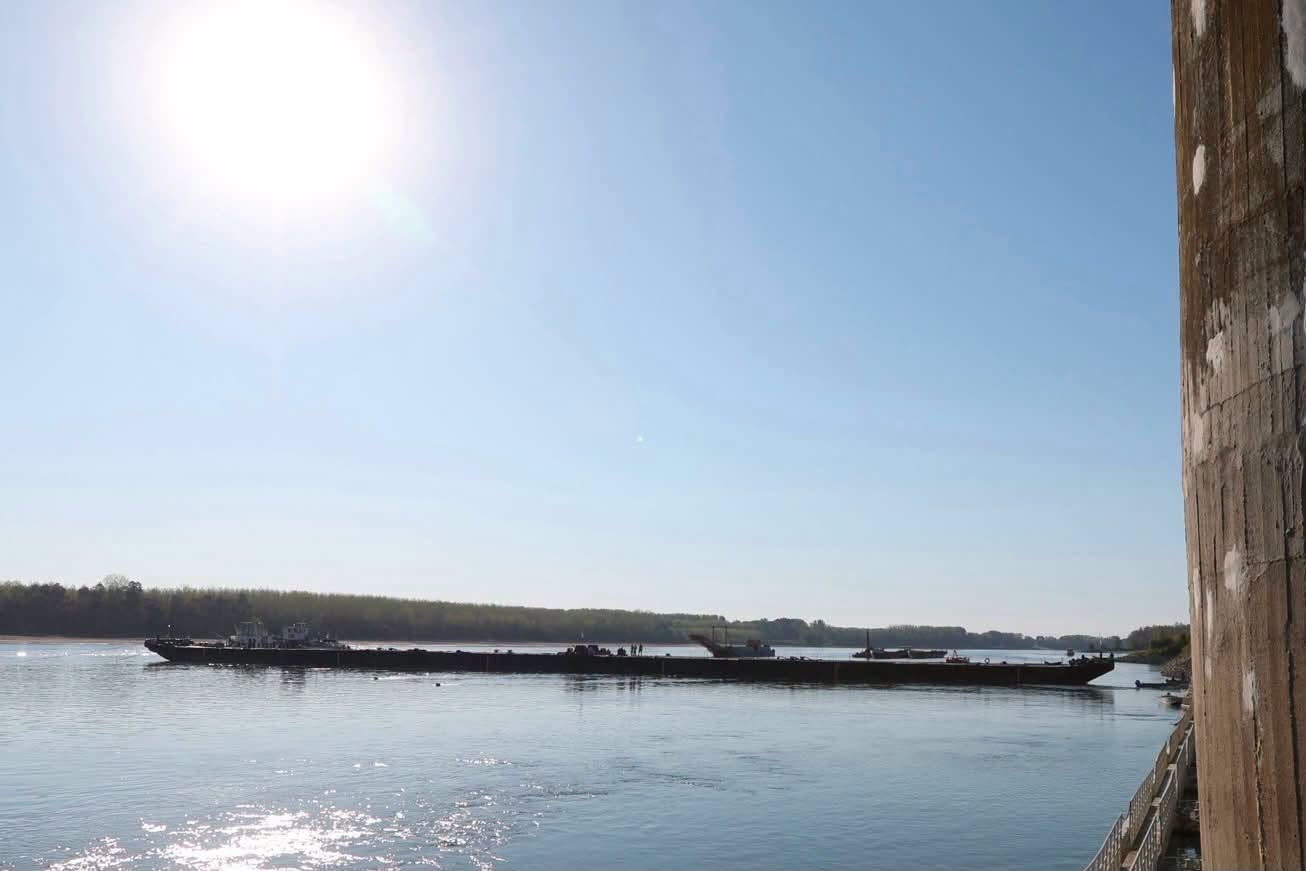
In an unprecedented move to prevent a potential energy crisis, Hungarian authorities have announced a dramatic decision to intentionally sink two barges in the Danube River. This extraordinary measure comes as the European Union’s largest river faces critical low water levels that threaten the continuous operation of the country’s vital nuclear power facility. The situation has highlighted the growing vulnerability of European energy infrastructure to climate change and extreme weather events.
The Paks Nuclear Power Plant, which provides approximately 50% of Hungary’s total electricity generation, relies heavily on Danube water for cooling its reactors. With water levels dropping to historically low points due to prolonged drought conditions across Central Europe, the facility faces the risk of reduced output or complete shutdown if adequate water supply cannot be maintained. Hungarian energy officials have determined that sinking loaded barges at strategic points could help redirect water flow and maintain sufficient depth near the plant’s water intake systems.
Europe’s Drought Crisis Threatens Energy Security
The current drought affecting the Danube is part of a broader pattern of extreme weather that has gripped much of Europe in recent years. The river, which flows through ten countries and serves as a critical transportation artery and water source for millions of people, has experienced repeated episodes of severe low water in the past decade. Climate scientists have warned that such events are becoming more frequent and intense due to global warming, with potentially catastrophic consequences for industries and communities that depend on stable river levels.
Eastern European nations are particularly vulnerable to disruptions in river-based cooling systems for power generation. The Paks facility, built during the Soviet era and expanded over subsequent decades, was designed assuming relatively stable hydrological conditions that no longer exist. Hungary has invested heavily in extending the plant’s operational life and even expanding its capacity, making the protection of this strategic asset a top national priority.
Emergency Engineering Solutions Under Consideration
The decision to sink barges represents one of several emergency measures being considered across the region. Engineers and water management experts have been working around the clock to develop solutions that can be implemented quickly enough to prevent power disruptions. Similar challenges have affected barge traffic throughout the Danube basin, with shipping companies forced to reduce cargo loads or halt operations entirely in some stretches of the river.
Historical records indicate that the Danube has experienced severe droughts before, but modern energy demands have dramatically increased the stakes. During the summer of 2022, low water levels across European rivers forced multiple power plants to reduce output, contributing to an energy crisis that sent electricity prices soaring. The current situation threatens to repeat or exceed those impacts, particularly as Hungary and neighboring countries face increasing demand amid their ongoing efforts to reduce dependence on Russian energy supplies.
Long-Term Infrastructure Adaptation Needed
Energy security experts emphasize that while emergency measures like sinking barges may provide temporary relief, fundamental changes to infrastructure design and water management will be necessary to ensure reliable power generation in an era of climate instability. Hungary and other Danube basin countries have begun discussions about coordinated approaches to managing water resources during drought conditions, though progress has been slow amid competing national interests and limited financial resources.
The situation also raises questions about the future of nuclear power in regions where water availability cannot be guaranteed. While nuclear energy is increasingly viewed as essential for meeting climate goals and ensuring energy independence, the technology’s dependence on abundant cooling water may require significant adaptation in coming decades. Alternative cooling technologies exist but would require substantial investment and modification of existing facilities.
Expert Opinion: The Hungarian government’s decision to sink barges demonstrates how climate change is forcing energy planners to adopt increasingly unconventional solutions to maintain grid stability. As droughts become more frequent across Europe, we can expect similar emergency measures to become routine rather than exceptional. Nations relying on river-cooled power plants will need to develop comprehensive adaptation strategies, potentially including dry cooling technologies, water storage facilities, and regional cooperation frameworks to manage shared water resources during crisis periods.