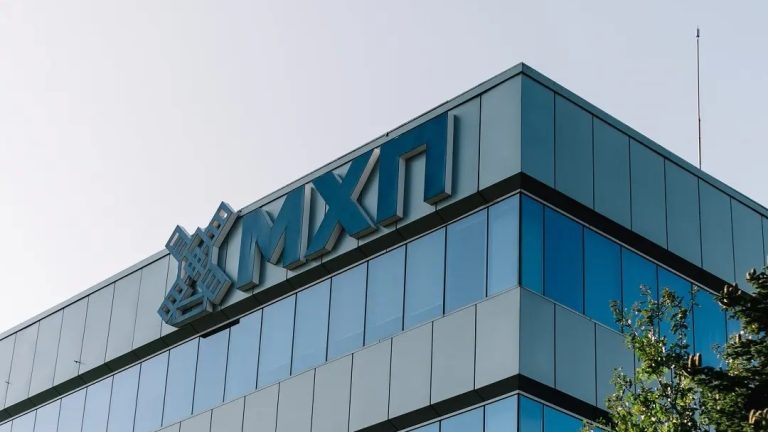




One of Ukraine’s largest pharmaceutical companies, Arterium Corporation, has reportedly been offered to potential buyers through intermediary channels, despite no official announcement of a sale. The identity of those who authorized these intermediaries to seek buyers remains unknown, adding an air of mystery to what could become one of the most significant pharmaceutical industry transactions in Ukraine’s recent history. The development has sparked considerable interest among industry observers and potential investors who see strategic value in the company’s established market position and manufacturing capabilities.
Background on Arterium Corporation
Arterium Corporation stands as one of the pillars of Ukraine’s pharmaceutical industry, with a history spanning several decades. The company has built a reputation for producing a wide range of medications, from cardiovascular drugs to antibiotics and pain relievers. With modern production facilities that meet international quality standards, including Good Manufacturing Practice (GMP) certification, Arterium has positioned itself as a competitive player not only in the domestic Ukrainian market but also in export markets across the former Soviet Union and beyond.
The corporation operates multiple manufacturing sites and employs thousands of workers, making it a significant contributor to Ukraine’s economy. Its product portfolio includes both generic medications and original formulations, serving millions of patients annually. The company has invested substantially in research and development capabilities, seeking to reduce Ukraine’s dependence on imported pharmaceuticals and strengthen domestic production capacity.
Market Context and Strategic Value
The pharmaceutical sector in Ukraine has undergone significant transformation in recent years, particularly following the country’s healthcare reforms and the challenges posed by ongoing geopolitical tensions. Companies with established distribution networks, regulatory approvals, and manufacturing infrastructure have become increasingly attractive targets for both domestic and international investors. Arterium’s position in this landscape makes it a potentially valuable acquisition target, especially for companies seeking to expand their presence in Eastern European markets.
Industry analysts note that pharmaceutical companies with proven track records in regulatory compliance and quality manufacturing are becoming scarcer commodities in the region. The Ukrainian pharmaceutical market, despite current challenges, represents significant long-term potential due to the country’s population size and the ongoing efforts to modernize its healthcare system. Any entity acquiring Arterium would gain immediate access to established supply chains, trained workforce, and existing customer relationships.
Questions Surrounding the Sale Process
The unofficial nature of the sale process has raised numerous questions within the business community. Without a formal announcement from Arterium’s ownership or management, potential buyers and industry observers are left to speculate about the motivations behind the sale and the terms being sought. This approach contrasts with typical corporate acquisition procedures, where transparency and formal processes are usually employed to maximize value and ensure proper due diligence.
Such informal approaches to major corporate transactions are not unprecedented in emerging markets, where ownership structures can be complex and decision-making may involve multiple stakeholders with varying interests. However, the lack of clarity creates uncertainty for potential acquirers who must assess risks without full access to corporate information. Legal and financial experts caution that any serious buyer would need to conduct extensive due diligence before committing to such a significant transaction.
Implications for Ukraine’s Pharmaceutical Sector
The potential sale of Arterium carries broader implications for Ukraine’s pharmaceutical industry and its strategic goal of maintaining domestic drug production capacity. As one of the country’s flagship pharmaceutical manufacturers, any change in ownership could affect everything from employment levels to drug availability and pricing. Regulators and policymakers will likely monitor developments closely, given the strategic importance of pharmaceutical manufacturing to national health security. The outcome of this situation could set precedents for future transactions in the sector and influence investor confidence in Ukraine’s pharmaceutical industry as a whole.
Expert Opinion: The informal approach to selling a major pharmaceutical asset like Arterium suggests either urgency on the part of current owners or a desire to test market appetite before committing to a formal sale process. Potential acquirers should proceed with caution given the lack of transparency, but those with strategic interest in Eastern European pharmaceutical markets may find compelling value if proper due diligence can be conducted. The coming months will reveal whether this represents a genuine opportunity or merely exploratory market positioning.