


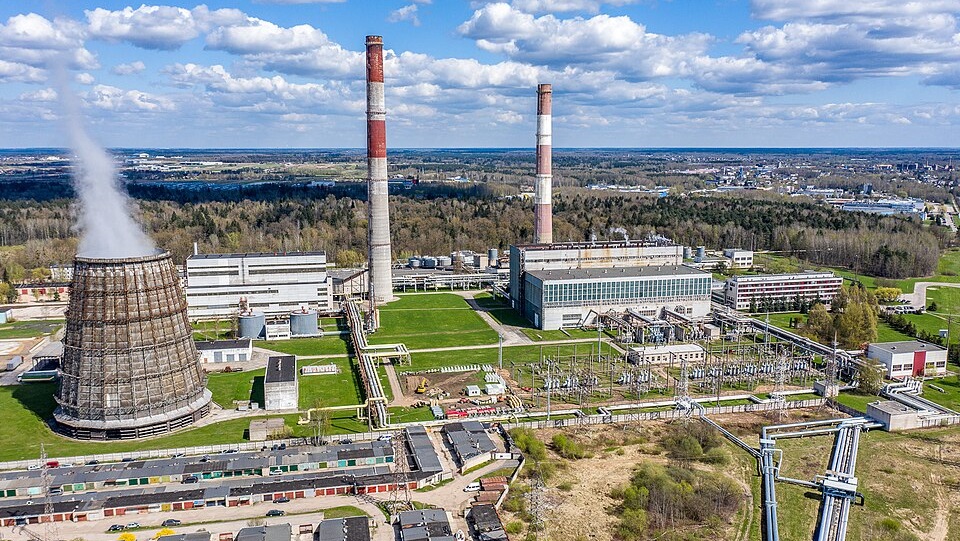
Ukraine and Lithuania have signed a landmark declaration outlining priority areas for cooperation in the energy sector, marking another significant step in international support for Ukraine’s battered energy infrastructure. The agreement includes a commitment from Lithuania to transfer equipment from the Kaunas Thermal Power Plant to help Ukraine restore and strengthen its power generation capabilities, which have been severely damaged by ongoing military attacks targeting critical infrastructure.
This bilateral energy cooperation deal comes at a crucial time for Ukraine, which has faced relentless attacks on its power grid throughout the conflict with Russia. Since late 2022, Russian forces have systematically targeted Ukrainian power stations, substations, and transmission lines, causing widespread blackouts and leaving millions of civilians without electricity, heating, and hot water during harsh winter months. The deliberate destruction of energy infrastructure has become one of the most devastating aspects of the war’s impact on Ukrainian civilians.
Strategic Importance of International Energy Support
The Lithuanian contribution represents part of a broader European effort to help Ukraine maintain basic energy services for its population. Multiple European nations have stepped forward with emergency generators, transformers, and other electrical equipment since Russia began targeting Ukraine’s energy grid. Lithuania, despite being a small Baltic nation, has consistently been among the most vocal and active supporters of Ukraine, providing military, humanitarian, and now energy assistance far exceeding what might be expected relative to its size.
The Kaunas Thermal Power Plant, located in Lithuania’s second-largest city, has historically been an important component of the Baltic nation’s energy system. As Lithuania has modernized its energy infrastructure and moved toward renewable energy sources in line with European Union green energy goals, some equipment from older facilities has become available for transfer. Rather than simply decommissioning this equipment, Lithuanian authorities have opted to give it new purpose in helping Ukraine address its energy crisis.
Ukraine’s Energy Infrastructure Crisis
Ukraine’s energy sector has faced unprecedented challenges since the full-scale invasion began in February 2022. According to Ukrainian government estimates, approximately half of the country’s energy infrastructure has been damaged or destroyed at various points during the conflict. The systematic nature of these attacks has required constant repair work, often under dangerous conditions, with Ukrainian energy workers risking their lives to restore power to hospitals, schools, and residential areas.
International energy experts have emphasized that Ukraine’s ability to maintain basic energy services throughout the conflict represents a remarkable feat of engineering and logistics. The country has benefited from emergency supplies from dozens of partner nations, rapid repair capabilities developed under wartime conditions, and the resilience of its energy workforce. However, the ongoing attacks mean that Ukraine continues to need substantial international support to keep the lights on and heating systems operational, particularly during winter months when energy demand peaks.
Lithuania’s Continued Leadership in Supporting Ukraine
Lithuania has distinguished itself among European nations for its unwavering support of Ukraine since the conflict began. The Baltic state, which shares historical experience of Soviet occupation, has provided military equipment, humanitarian aid, and diplomatic support consistently throughout the war. Lithuanian officials have frequently called for stronger European responses to Russian aggression and have advocated for Ukraine’s expedited membership in both the European Union and NATO. This energy cooperation agreement builds upon an already robust bilateral relationship and demonstrates Lithuania’s commitment to practical assistance that directly benefits Ukrainian civilians.
Expert Opinion: The transfer of thermal power equipment from Lithuania to Ukraine represents a model for how European nations can leverage their own infrastructure transitions to support Ukraine’s immediate needs. As Western European countries continue modernizing toward renewable energy, significant quantities of conventional power generation equipment may become available for similar transfers. This practical approach to energy solidarity could prove crucial in helping Ukraine survive continued infrastructure attacks while simultaneously advancing European energy integration goals.