


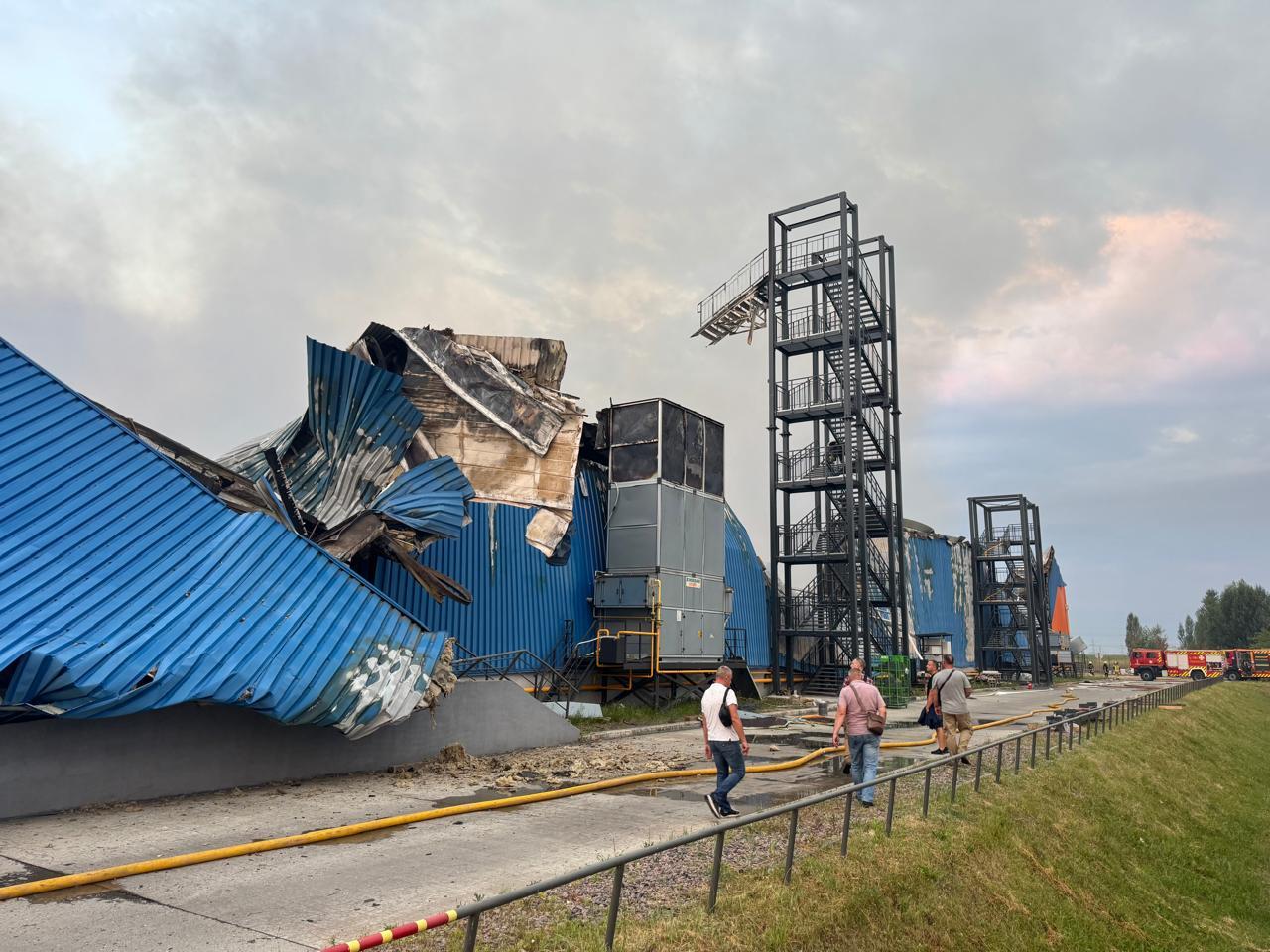
Ukraine’s largest e-commerce platform Rozetka has announced significant workforce reductions following the destruction of its major logistics hub in Brovary, a city located just northeast of Kyiv. The facility, which employed more than 1,000 workers, was destroyed in what appears to be a wartime attack, forcing the company to fundamentally restructure its business operations and shift its strategic focus away from direct retail sales toward a marketplace model.
The company has indicated plans to substantially reduce its share of proprietary sales while accelerating the development of its third-party marketplace platform. This strategic pivot represents one of the most significant operational changes in Rozetka’s history and reflects the harsh realities facing Ukrainian businesses as they navigate ongoing conflict conditions while attempting to maintain commercial viability.
Impact on Operations and Workforce
The Brovary warehouse served as a critical nerve center for Rozetka’s nationwide distribution network, handling millions of packages annually and serving customers across Ukraine. The loss of this facility represents not only a devastating blow to the company’s logistics capabilities but also a profound human impact, as over a thousand employees now face uncertain employment futures. Many of these workers were involved in essential operations including order fulfillment, inventory management, quality control, and shipping coordination.
Rozetka, founded in 2005, grew from a small online electronics retailer into Ukraine’s dominant e-commerce player, often compared to Amazon in terms of its market position within the country. At its peak, the company offered millions of products across virtually every consumer category and had become an integral part of daily life for millions of Ukrainian consumers. The company’s infrastructure investments over the years included multiple fulfillment centers, sophisticated inventory systems, and an extensive delivery network.
Strategic Shift Toward Marketplace Model
The decision to pivot more aggressively toward a marketplace model represents a fundamental change in Rozetka’s business philosophy. Under this approach, the company would increasingly serve as a platform connecting third-party sellers with consumers, rather than maintaining its own massive inventory and fulfillment operations. This model, successfully employed by global giants like Amazon and Alibaba, reduces capital requirements and operational risk while generating revenue through seller fees and commissions.
Industry analysts note that this transition, while accelerated by the warehouse destruction, may ultimately position Rozetka for greater resilience in an uncertain environment. By reducing its reliance on physical infrastructure and shifting inventory risk to independent merchants, the company can potentially maintain operations even as the conflict continues to threaten traditional retail logistics. However, this transformation comes with significant challenges, including the need to attract and retain quality sellers, maintain product standards, and ensure customer satisfaction without direct control over inventory.
Broader Context for Ukrainian E-Commerce
The situation at Rozetka reflects the broader challenges facing Ukraine’s business sector, which has demonstrated remarkable resilience despite ongoing hostilities. E-commerce in particular experienced significant growth during the conflict as traditional retail faced disruptions and consumers increasingly relied on online shopping for essential goods. However, the destruction of key infrastructure continues to pose existential threats to even the most established companies.
Ukrainian businesses have shown extraordinary adaptability, with many relocating operations westward, implementing distributed logistics networks, and developing contingency plans for various scenarios. Rozetka’s marketplace strategy aligns with this trend toward operational flexibility and reduced dependence on any single physical location. The coming months will reveal whether this strategic shift can preserve jobs in some capacity and maintain the company’s position as Ukraine’s e-commerce leader.
Expert Opinion: The forced transition to a marketplace-heavy model may paradoxically strengthen Rozetka’s long-term competitive position by reducing operational overhead and infrastructure vulnerability. However, the immediate human cost remains severe, and the company’s ability to retain customer trust during this transition will be critical. Expect other Ukrainian retailers to accelerate similar platform-based strategies as a hedge against infrastructure risks in the current environment.