


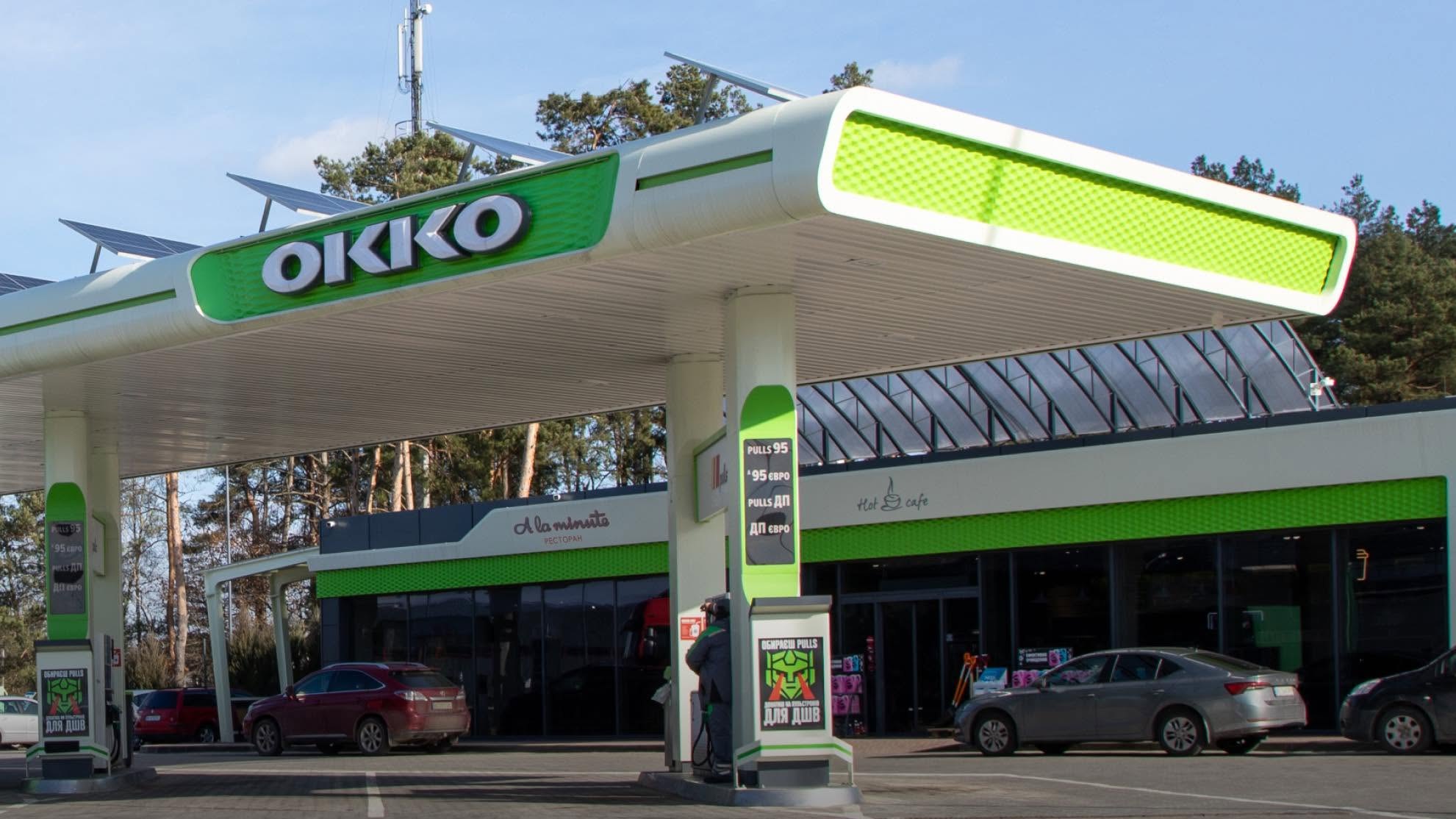
In a revealing interview, Vasyl Danylyak, the CEO of OKKO, one of Ukraine’s largest fuel retail networks, has shed light on the company’s unsuccessful attempts to acquire several major gas station chains in the country. The executive explained that while negotiations with Klo had progressed “quite far,” the deal ultimately fell through, and the agreement terms offered by Shell were described as “specific” and apparently unsuitable for OKKO’s strategic interests. These revelations provide a rare glimpse into the competitive dynamics of Ukraine’s fuel retail sector and the complex negotiations that shape the industry landscape.
OKKO, which operates one of the most extensive networks of fuel stations across Ukraine, has been actively seeking expansion opportunities in recent years. The company, headquartered in Lviv, has built its reputation on quality service and modern facilities, becoming a household name among Ukrainian motorists. The failed acquisitions of Klo, Avias, and Shell stations represent significant missed opportunities that could have dramatically expanded OKKO’s market presence and solidified its position as the dominant player in the Ukrainian fuel retail market.
The Klo Negotiations: Close But Not Close Enough
According to Danylyak, the negotiations with Klo had advanced to a serious stage, suggesting that both parties saw potential value in the transaction. Klo, a well-established fuel retail brand in Ukraine, operates a significant network of stations that would have complemented OKKO’s existing infrastructure. However, despite the progress made during discussions, the two companies were unable to reach a final agreement. Industry analysts suggest that disagreements over valuation, operational integration challenges, or strategic differences may have contributed to the breakdown in talks. The fuel retail sector is notoriously complex, with factors such as real estate ownership, supply contracts, and brand licensing all playing crucial roles in determining the viability of such acquisitions.
The Ukrainian fuel market has undergone significant transformation in recent years, particularly following the full-scale Russian invasion in February 2022. The war disrupted supply chains, destroyed infrastructure, and fundamentally altered consumer behavior patterns. In this context, consolidation within the industry has become both more attractive and more challenging, as companies seek to build resilience through scale while navigating unprecedented operational uncertainties.
Shell’s “Specific” Terms Prove Incompatible
Danylyak’s characterization of the Shell agreement as “specific” suggests that the international oil giant’s terms did not align with OKKO’s business model or strategic objectives. Shell, like other major international energy companies, typically structures its franchise and licensing agreements with stringent requirements regarding branding, operational standards, and supply arrangements. These terms may have proven too restrictive for OKKO, which has built its success on maintaining operational flexibility and a strong Ukrainian brand identity. The decision to walk away from Shell stations indicates that OKKO prioritizes strategic independence over rapid expansion at any cost.
The Avias network, another potential acquisition target, has its own complex history in the Ukrainian market. Founded in the early 1990s, Avias grew to become one of the largest fuel retailers in Ukraine before facing various business challenges. The reasons behind the failed OKKO-Avias deal were not elaborated upon by Danylyak, but industry observers note that legacy issues, including infrastructure age and contractual obligations, often complicate such transactions.
Strategic Implications for Ukraine’s Fuel Market
These failed acquisitions reflect broader trends in Ukraine’s fuel retail sector, where companies must balance growth ambitions against financial prudence and operational realities. OKKO’s cautious approach to M&A activity demonstrates a disciplined strategy that prioritizes sustainable growth over aggressive expansion. As Ukraine continues to navigate wartime conditions while planning for eventual reconstruction, the fuel retail sector will play a crucial role in supporting economic recovery and mobility. Companies like OKKO that maintain strong balance sheets and operational efficiency will be well-positioned to capitalize on future opportunities, whether through organic growth or more favorable acquisition terms.
Expert Opinion: OKKO’s decision to walk away from these acquisition opportunities, despite advanced negotiations, signals mature corporate governance and strategic discipline that will serve the company well in the long term. As Ukraine’s post-war reconstruction phase approaches, fuel retailers with strong financial positions and operational flexibility will likely find more attractive acquisition targets at better valuations, making patience a potentially valuable competitive advantage in this sector.