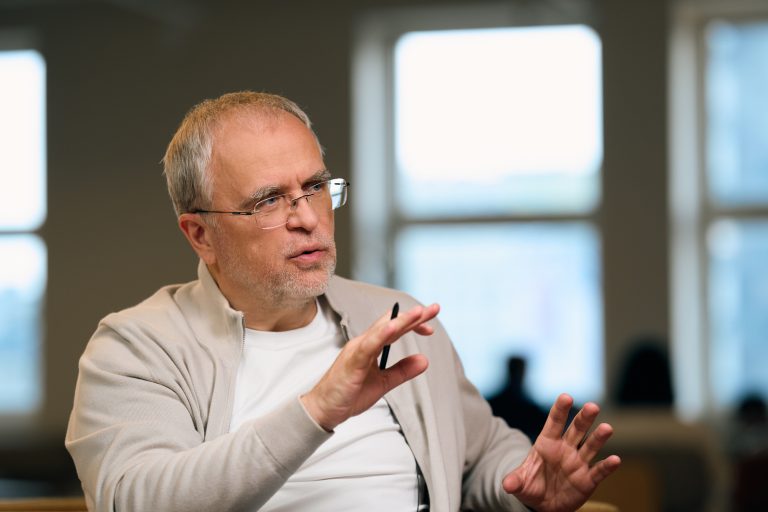



In a revealing look at Ukraine’s wartime labor market, Anastasia Gromova, Human Resources Director at MHP, one of Ukraine’s largest agricultural and food production conglomerates, has shared insights into the company’s ambitious recruitment efforts. The company successfully hired 8,000 new employees in 2025 alone, navigating the complex challenges of a workforce depleted by military mobilization and mass migration. The cost of attracting a single candidate now averages 4,500 Ukrainian hryvnias nationally, though this figure drops to approximately 2,000 hryvnias in regions closer to the front lines, where employment opportunities remain scarce and competition for workers is less intense.
MHP, which stands for Myronivsky Hliboproduct, is a vertically integrated agricultural holding company that ranks among the largest poultry producers in Europe. The company operates numerous facilities across Ukraine, including poultry farms, feed mills, and processing plants, employing tens of thousands of workers. The firm’s ability to maintain operations and even expand its workforce during wartime speaks to both its strategic importance to Ukraine’s food security and its adaptive human resources strategies.
The Economics of Wartime Recruitment
The significant disparity in recruitment costs between different regions of Ukraine reflects the stark economic realities shaped by the ongoing conflict. In areas closer to active combat zones, many businesses have closed or scaled back operations, leaving a larger pool of available workers seeking employment. This surplus of labor naturally reduces the marketing and outreach expenses required to attract candidates. Conversely, in safer western and central regions, competition for workers has intensified dramatically as businesses vie for a shrinking labor pool, driving up recruitment advertising costs, signing bonuses, and overall hiring expenses.
The 4,500 hryvnia figure encompasses various recruitment channels including job posting platforms, social media advertising, recruitment agency fees, and internal referral bonuses. Industry analysts note that these costs have increased by approximately 40-60 percent since the beginning of the full-scale invasion in February 2022. Companies across Ukraine have been forced to become more creative and aggressive in their hiring approaches, often offering transportation, housing assistance, and other benefits that were uncommon in the pre-war labor market.
Foreign Workers and Workforce Diversification
Gromova also addressed MHP’s approach to hiring foreign nationals, a topic that has gained increased attention as Ukraine faces severe labor shortages. While the company has explored international recruitment, the HR director emphasized that integrating foreign workers presents unique challenges including language barriers, documentation requirements, and cultural adaptation. Nevertheless, as Ukraine’s working-age population continues to decline due to emigration and military service, companies like MHP are increasingly looking beyond national borders for solutions.
The motivation strategies employed by MHP have evolved significantly during wartime. Beyond competitive salaries, which Gromova indicated have risen substantially to keep pace with inflation and market demands, the company has implemented psychological support programs, flexible scheduling for employees with family members in military service, and enhanced safety protocols for facilities in vulnerable areas. These comprehensive approaches to employee welfare have become essential tools in both recruitment and retention.
Industry-Wide Implications and Future Outlook
The agricultural sector’s workforce challenges mirror broader trends across Ukraine’s economy. According to recent estimates, Ukraine has lost access to between 5 and 7 million working-age individuals since 2022, either through emigration, military service, or displacement to occupied territories. This demographic shift has forced fundamental changes in how Ukrainian businesses approach human capital. Automation investments have accelerated, training programs have expanded to help workers transition into new roles, and wage competition has become increasingly fierce across all sectors.
For MHP specifically, maintaining a robust workforce is critical not only for corporate operations but for Ukraine’s food security infrastructure. The company’s products feed millions of Ukrainians daily, and its export operations generate crucial foreign currency revenue for the wartime economy. The successful hiring of 8,000 employees in 2025 demonstrates that despite enormous challenges, Ukrainian businesses continue to adapt and persevere, finding innovative solutions to seemingly intractable problems.
Expert Opinion: The widening gap in recruitment costs between frontline and rear regions signals an emerging two-tier labor market in Ukraine that may persist long after the conflict ends. Companies that establish strong employer brands and comprehensive benefits packages now will likely maintain competitive advantages in the post-war reconstruction period, when labor demand is expected to surge dramatically across all sectors.