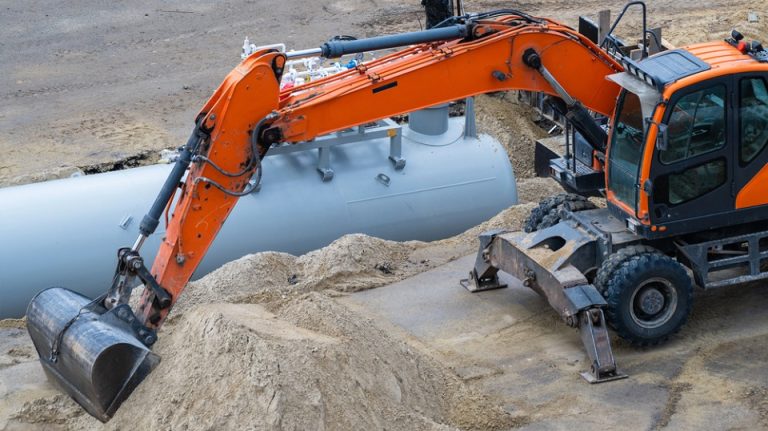




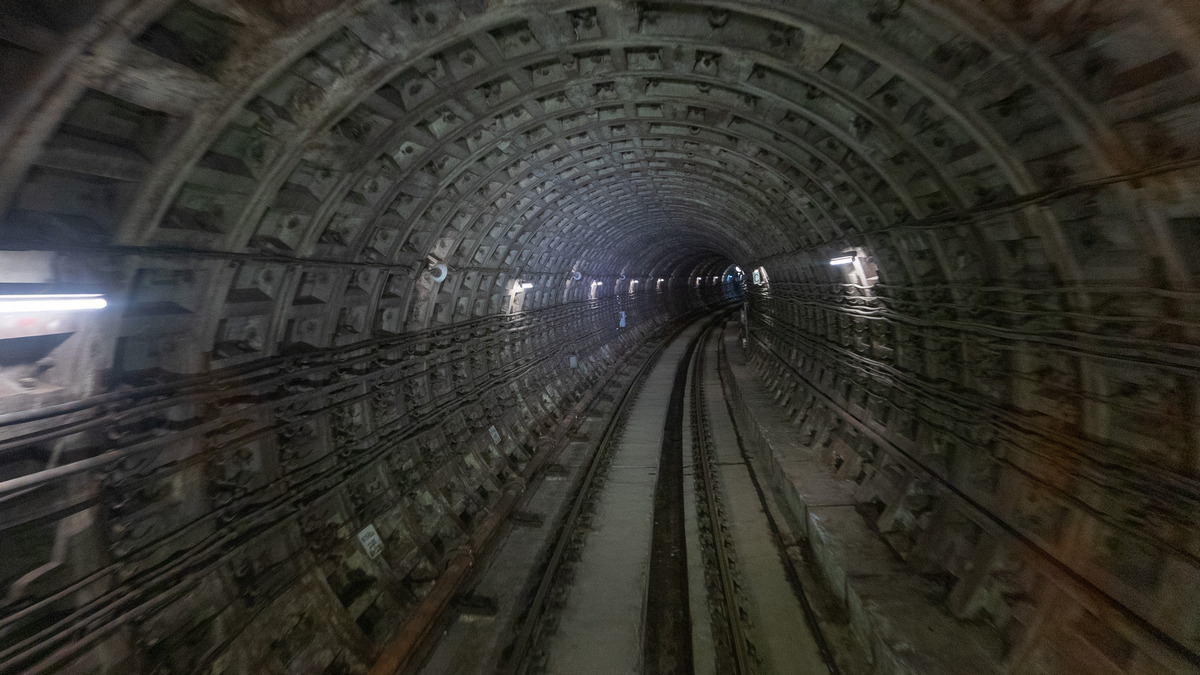
The Kyiv city authorities have officially announced a public tender for capital repairs of an underground metro tunnel connecting two stations in the Ukrainian capital. The repair work has become necessary due to significant ground subsidence affecting the section of the metropolitan railway system between Taras Shevchenko and Pochayna stations. This infrastructure project comes at a critical time when Ukraine continues to maintain essential urban services despite the ongoing challenges posed by the conflict with Russia.
The ground subsidence issue, which has been monitored by city engineers for some time, poses potential safety risks to the daily operation of one of Kyiv’s busiest public transportation networks. Metro authorities have emphasized that while services continue to operate, the structural integrity of the tunnel requires immediate attention to prevent any escalation of the problem. The tender process will allow qualified construction companies to submit bids for what is expected to be a complex and technically demanding engineering project.
Understanding the Technical Challenge
Ground subsidence beneath metro tunnels is a common challenge faced by urban transit systems worldwide, particularly in cities with complex geological conditions. Kyiv, situated along the Dnipro River, has soil compositions that include various layers of sand, clay, and sediment that can shift over time due to water table fluctuations, vibrations from train traffic, and natural geological processes. When the ground above or around a tunnel settles unevenly, it can create stress on the tunnel lining, potentially leading to cracks, water infiltration, and in severe cases, structural failure.
The Taras Shevchenko and Pochayna stations are located on the Obolonsko-Teremkivska Line, one of the three main lines of the Kyiv Metro system. This particular section of the network serves densely populated residential areas in the northern part of the city, making its continuous operation essential for hundreds of thousands of daily commuters. Engineers typically address such subsidence issues through a combination of tunnel reinforcement, ground stabilization techniques such as grouting, and in some cases, partial reconstruction of affected segments.
Historical Context of Kyiv’s Metro System
The Kyiv Metro, which opened its first stations in 1960, has grown to become one of the deepest and most heavily utilized metro systems in the world. With three operational lines spanning approximately 70 kilometers and serving 52 stations, the system transports an estimated 1.3 million passengers daily during normal operations. Many of Kyiv’s metro stations were constructed during the Soviet era using techniques designed to create deep-level tunnels that could serve dual purposes as bomb shelters—a feature that has proven tragically relevant during the current conflict.
The section requiring repairs was built as part of the system’s expansion during the late Soviet period and early Ukrainian independence era. Like much urban infrastructure from that period, these tunnels are now reaching an age where significant maintenance and rehabilitation work becomes necessary. Ukrainian authorities have consistently prioritized keeping the metro operational, recognizing its critical role in urban mobility and, more recently, as a refuge for civilians during air raid alerts.
Funding and Implementation Challenges
The tender announcement comes amid broader challenges facing Ukrainian municipal budgets, which must balance wartime necessities with essential infrastructure maintenance. Kyiv city officials have indicated that funding for the tunnel repairs has been secured through a combination of municipal funds and potentially international assistance programs supporting Ukrainian infrastructure resilience. The exact budget for the project has not been publicly disclosed, though capital repairs of metro tunnels typically involve substantial investments due to the specialized equipment and expertise required.
Construction companies participating in the tender will need to demonstrate experience with underground infrastructure work and the ability to conduct repairs while minimizing disruption to metro services. Similar projects in other cities have employed various strategies, including conducting work during overnight hours when trains are not running, or implementing temporary service modifications on affected sections. The timeline for completing the repairs will depend on the extent of damage discovered during detailed inspections and the technical approach selected by the winning contractor.
Expert Opinion: Urban infrastructure experts note that Kyiv’s proactive approach to addressing tunnel subsidence reflects sound engineering priorities, as delayed repairs in such situations typically result in exponentially higher costs and greater service disruptions. The successful completion of this project will be an important indicator of Ukraine’s capacity to maintain critical urban systems during wartime, potentially serving as a model for other infrastructure rehabilitation efforts across the country.