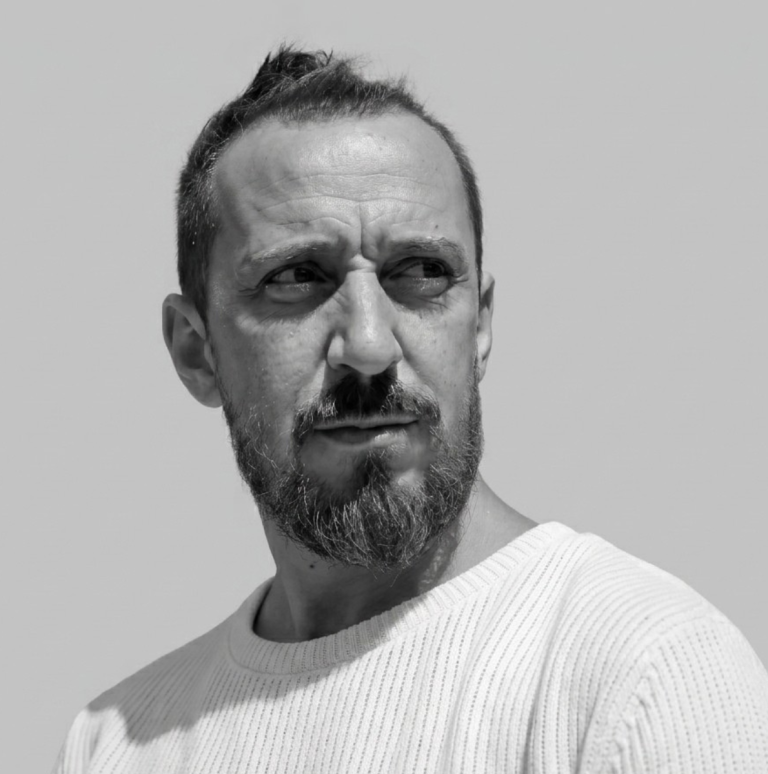
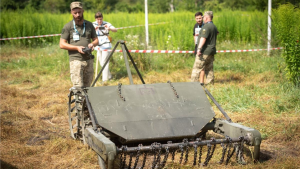

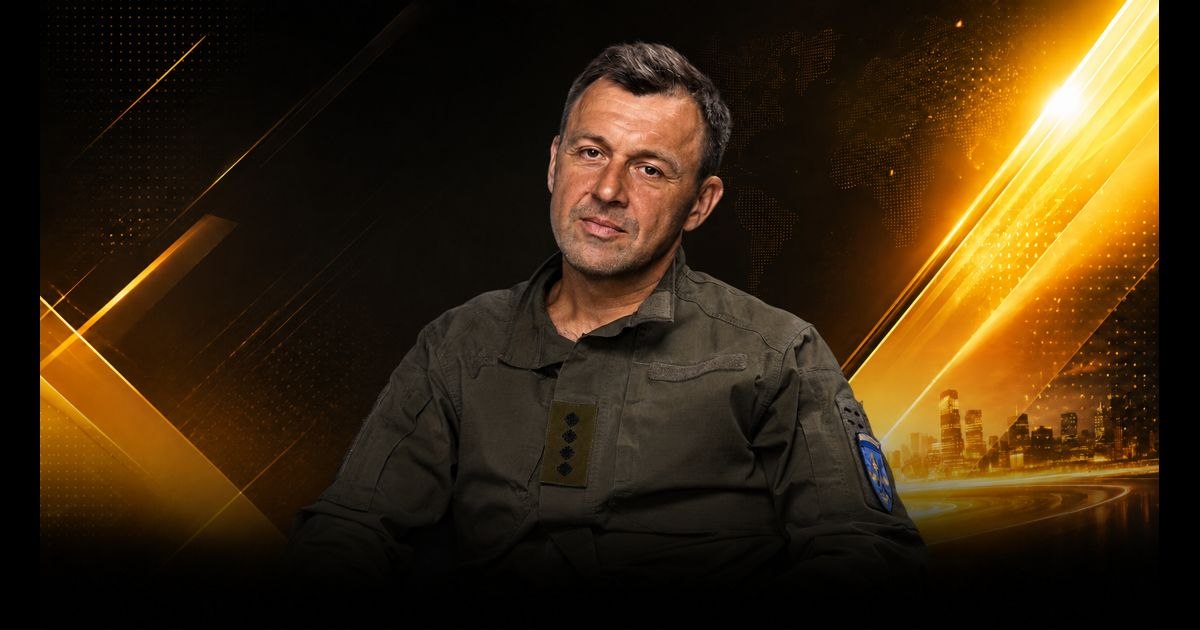
Ukrainian military and political landscape continues to evolve amid ongoing wartime pressures, with significant personnel changes expected at the highest levels of government and military command. Recent discussions among Ukrainian analysts and military experts have centered on the potential reshuffling of key positions, including the fate of former Digital Transformation Minister Mykhailo Fedorov and the challenges facing any new commander-in-chief who may be appointed. Military expert Onistrat has provided sharp analysis on these matters, warning that institutional resistance to change remains a significant factor in Ukraine’s governance during wartime.
Fedorov’s Future and the Ministry of Defense Question
According to expert analysis, former Minister Mykhailo Fedorov should not expect a return to the Ministry of Defense despite speculation about potential cabinet reshuffles. Fedorov, who gained international recognition for his work in digital transformation and his innovative approaches to crowdfunding military equipment through digital platforms, has been a prominent figure in Ukraine’s wartime governance. His ministry was instrumental in developing the Diia application and coordinating drone procurement programs that became models for modern warfare logistics. However, the political dynamics within the current administration suggest that his path back to defense-related portfolios remains blocked by various institutional and personal factors that have developed over the past months of conflict.
The Ministry of Defense has undergone significant transformations since the full-scale Russian invasion began in February 2022. Multiple leadership changes have reflected both the extraordinary pressures of wartime administration and the ongoing efforts to combat corruption and inefficiency within military procurement systems. Western partners have closely monitored these changes, as the ministry serves as the primary interface for billions of dollars in military assistance flowing into Ukraine from NATO allies and other supporting nations.
Challenges Facing the New Commander-in-Chief
Perhaps the most striking assessment from military expert Onistrat concerns the inevitable resistance that any new commander-in-chief will face upon assuming the position. The phrase “fierce resistance will be inevitable” captures the complex web of institutional interests, established command relationships, and competing power centers that characterize Ukraine’s military establishment. This resistance is not necessarily political opposition but rather the natural friction that occurs when new leadership attempts to implement changes within deeply entrenched military structures that have developed their own operational cultures and command philosophies during more than three years of intense combat operations.
The position of Commander-in-Chief of the Armed Forces of Ukraine carries enormous weight and responsibility, particularly during an existential conflict against a numerically superior adversary. Previous transitions in this role have demonstrated the difficulties of maintaining operational continuity while implementing necessary reforms. The relationship between military command and civilian political leadership remains a delicate balance that requires constant calibration, especially when strategic decisions must be made rapidly in response to battlefield developments. International military advisors have noted that Ukraine’s command structure has shown remarkable adaptability, but each leadership change creates periods of adjustment that can affect operational effectiveness.
Political Implications and Government Stability
The broader context of these personnel discussions reflects ongoing tensions within Ukraine’s wartime government structure. The selection of a new prime minister and potential changes to the military command chain represent critical decisions that will shape Ukraine’s capacity to sustain its defense efforts and maintain Western support. Coalition politics, even in wartime, require careful management of various stakeholder interests, from parliamentary factions to regional power bases to international partners who have their own preferences regarding Ukrainian governance. The ability to navigate these competing pressures while maintaining focus on the primary objective of national defense represents the central challenge facing Ukrainian leadership.
Historical precedent from other nations fighting extended conflicts suggests that personnel stability in key positions contributes significantly to military effectiveness and alliance management. However, the need for accountability and the removal of underperforming officials creates a constant tension with stability considerations. Ukraine’s Western partners have generally supported the principle that Ukrainian leaders must make their own personnel decisions while occasionally expressing preferences through diplomatic channels about the importance of continuity and anti-corruption measures.
Expert Opinion: The coming months will likely see continued institutional turbulence as Ukraine balances wartime necessity against political pressures and reform demands. Any new commander-in-chief will need to rapidly establish credibility with both frontline commanders and Western military partners, a process that typically requires six to twelve months of intensive relationship-building. The key indicator to watch will be whether personnel changes result in improved military procurement efficiency and battlefield coordination, or whether they primarily reflect political positioning ahead of eventual post-war transitions.