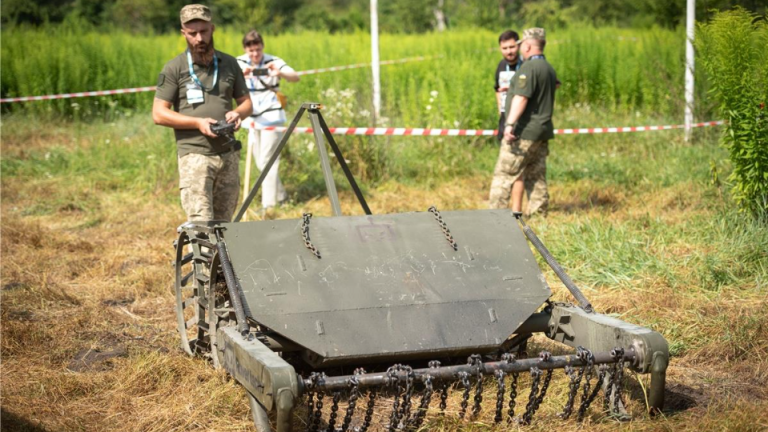



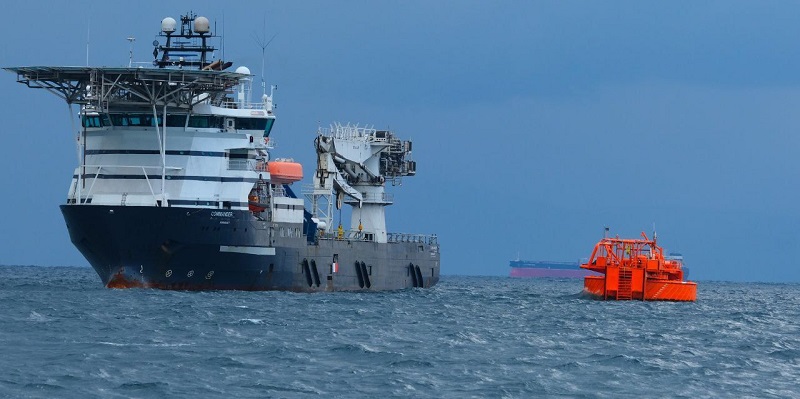
In a significant escalation of naval warfare in the Black Sea region, Ukrainian Unmanned Systems Forces have successfully attacked four tankers, marking another chapter in the ongoing “MoLoChKa” operation. According to military reports, this latest strike brings the total number of vessels targeted since the beginning of July to an impressive 205, demonstrating the growing effectiveness of drone-based naval operations in modern conflict.
The attacks underscore Ukraine’s increasing reliance on unmanned systems as a strategic tool to disrupt Russian maritime logistics and supply chains. These operations have fundamentally altered the balance of power in the Black Sea, forcing Russian naval assets to operate with extreme caution and significantly limiting their operational capabilities in waters they once dominated.
The Evolution of Unmanned Naval Warfare
The “MoLoChKa” operation represents a paradigm shift in modern naval warfare. Since its inception in early July, Ukrainian forces have systematically targeted vessels supporting Russian military logistics, using a combination of aerial and maritime drones. This approach has proven remarkably cost-effective, with relatively inexpensive unmanned systems capable of neutralizing or damaging vessels worth millions of dollars.
Ukraine’s development of indigenous drone technology has accelerated dramatically since the full-scale invasion began in February 2022. What started as improvised solutions has evolved into sophisticated unmanned systems capable of coordinated attacks across vast distances. The Black Sea, once considered a Russian stronghold, has become a proving ground for these innovative tactics, with Ukrainian forces demonstrating that even a nation without a traditional blue-water navy can project significant power through asymmetric means.
Strategic Impact on Russian Maritime Operations
The sustained campaign against Russian-affiliated vessels has had far-reaching consequences for Moscow’s military logistics. Tankers carrying fuel and other essential supplies have become prime targets, as disrupting energy transportation directly impacts the operational capacity of Russian forces. Military analysts note that even vessels that survive attacks often require extensive repairs, further straining Russian maritime resources and port facilities.
The psychological impact of these operations should not be underestimated. Commercial vessels operating in the region now face unprecedented risks, with insurance costs skyrocketing and some shipping companies refusing to operate in contested waters. This has created a de facto maritime exclusion zone that benefits Ukrainian strategic objectives, even when individual attacks do not result in vessel destruction.
International Implications and Future Outlook
The success of Ukraine’s unmanned systems campaign has attracted significant attention from military planners worldwide. Naval strategists are closely studying these operations as a blueprint for future conflicts, recognizing that the era of unchallenged surface fleet dominance may be ending. Countries with limited naval budgets are particularly interested in how Ukraine has leveraged drone technology to challenge a much larger adversary.
As the operation continues, questions remain about Russia’s ability to develop effective countermeasures. Traditional naval defenses were not designed with swarm drone attacks in mind, and adapting to this new threat requires significant investment in detection systems, electronic warfare capabilities, and rapid-response protocols. The ongoing “MoLoChKa” operation suggests that Ukraine maintains the initiative in this technological race, with no indication that the pace of attacks will diminish in the near future.
Expert Opinion: The sustained success of Ukraine’s unmanned naval campaign signals a fundamental transformation in maritime warfare doctrine. Nations worldwide will likely accelerate investment in both drone capabilities and counter-drone technologies, potentially rendering traditional surface fleets increasingly vulnerable without significant adaptation. The Black Sea conflict may ultimately be remembered as the proving ground where unmanned systems definitively established themselves as decisive instruments of naval power.