



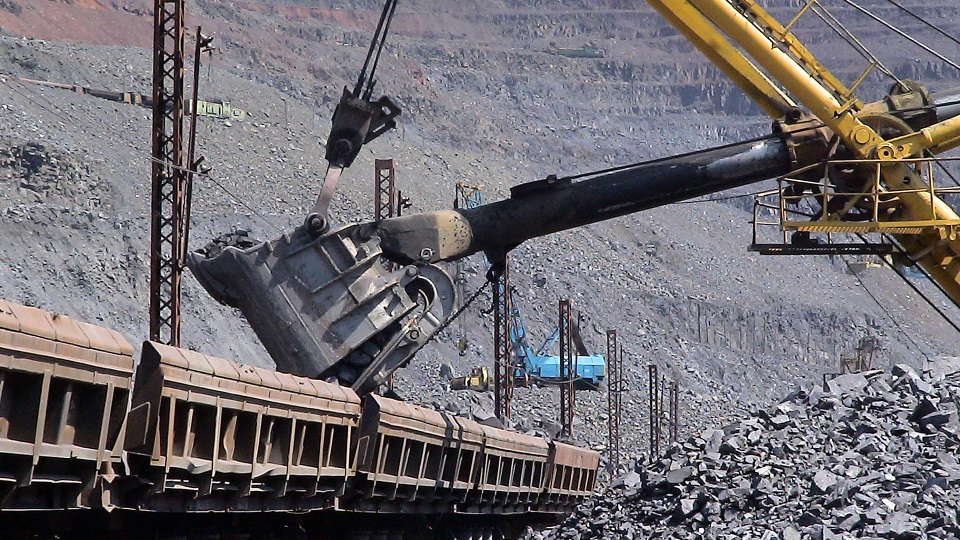
Ukraine’s Southern Mining and Processing Complex (Pivdennyi GOK), one of the country’s largest iron ore producers, has been forced to suspend operations due to the accumulation of export shipments that cannot be transported by sea. The facility, located in the Kryvyi Rih region, has become the latest casualty of Russia’s intensified campaign against commercial shipping in the Black Sea, which has effectively strangled Ukraine’s vital maritime export routes. This development represents a significant blow to Ukraine’s mining industry and highlights the broader economic warfare being waged alongside the military conflict.
Export Blockade Paralyzes Mining Operations
The Southern Mining Complex has accumulated substantial quantities of iron ore destined for international markets, but the ongoing Russian attacks on civilian cargo vessels have made sea transportation impossible. The company, which typically exports millions of tons of iron ore annually to customers across Europe, Asia, and the Middle East, found itself with no viable options for moving its stockpiled materials. When storage capacity reaches its limits and export channels remain blocked, mining operations simply cannot continue, forcing management to make the difficult decision to halt production entirely.
The situation at Pivdennyi GOK reflects a broader crisis affecting Ukraine’s entire export-dependent economy. Before the full-scale invasion in February 2022, Ukraine was one of the world’s leading exporters of iron ore, grain, and other commodities, with the vast majority of these goods moving through Black Sea ports such as Odesa, Mykolaiv, and Chornomorsk. The strategic importance of these maritime routes cannot be overstated, as they historically handled approximately 90 percent of Ukraine’s grain exports and a significant portion of its mineral exports.
Russian Maritime Strategy and International Response
Russia’s campaign against commercial shipping in the Black Sea has intensified significantly in recent months, with drone and missile attacks targeting civilian cargo vessels attempting to use the Ukrainian grain corridor. This corridor was established as an alternative route after Russia withdrew from the Black Sea Grain Initiative in July 2023, an agreement that had been brokered by Turkey and the United Nations to allow safe passage for Ukrainian agricultural exports. Since then, Ukraine has attempted to maintain its own shipping corridor hugging the western Black Sea coastline near Romania and Bulgaria, but Russian forces have repeatedly targeted vessels using this route.
The attacks on commercial shipping have drawn international condemnation, with maritime insurance costs skyrocketing and many shipping companies becoming reluctant to risk their vessels in what has become an active war zone. The International Maritime Organization and various shipping industry groups have called for protections for civilian vessels, but enforcement remains challenging given the ongoing conflict. Some analysts suggest that Russia’s maritime campaign is designed specifically to inflict maximum economic damage on Ukraine while avoiding direct confrontation with NATO member states whose territorial waters border the shipping lanes.
Economic Impact and Industry Outlook
The suspension of operations at Pivdennyi GOK carries significant implications for Ukraine’s already war-battered economy. The mining sector has historically been one of the country’s most important industries, contributing billions of dollars to GDP and employing tens of thousands of workers in the Dnipropetrovsk region. Iron ore exports generated crucial foreign currency revenues that help support the wartime economy and fund essential government services. Each day of suspended operations translates into substantial financial losses for both the company and the national treasury.
Industry experts note that the situation at the Southern Mining Complex could set a troubling precedent for other Ukrainian exporters. If Russian attacks continue to effectively blockade maritime commerce, additional industrial facilities may be forced to reduce or cease operations, creating a cascading effect throughout the economy. Alternative export routes through rail to European Union countries exist but have limited capacity and face their own logistical challenges, including bottlenecks at border crossings and incompatible rail gauges between Ukrainian and European systems. The international community continues to seek solutions, but for now, companies like Pivdennyi GOK remain caught between Russian military pressure and the practical impossibility of conducting normal business operations.
Expert Opinion: The forced shutdown of major industrial facilities like Pivdennyi GOK demonstrates that Russia is increasingly weaponizing maritime access as a tool of economic warfare, potentially causing more long-term damage to Ukraine than direct military strikes on infrastructure. If international shipping insurance costs and security concerns continue to escalate, Ukraine may need to fundamentally restructure its export economy around land-based European routes, a transformation that would require years of infrastructure investment and significantly reduce export capacity in the interim.