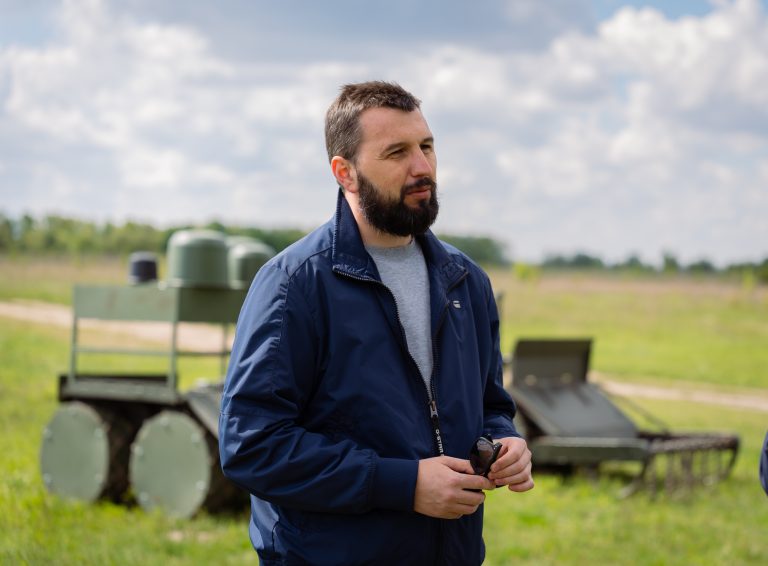

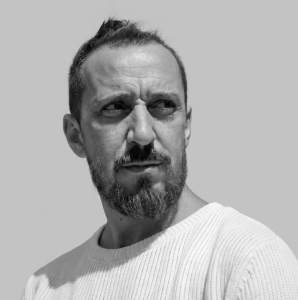


Dmytro Skornyakov, the head of HarvEast, one of Ukraine’s major agricultural holdings owned by businessman Rinat Akhmetov, has shared his insights on how military doctrine principles can be effectively applied to agribusiness management. In a revealing interview, the CEO discussed the company’s approach to workforce management, competitive wages, and the broader challenges facing Ukrainian agriculture during wartime conditions. His comments come at a critical time when Ukraine’s agricultural sector continues to serve as a vital pillar of the national economy despite ongoing conflict.
Competitive Wages as a Solution to Labor Shortages
One of the most striking statements from Skornyakov addressed the ongoing debate about labor migration and workforce availability in Ukraine’s agricultural sector. The CEO firmly stated that if Ukrainian agricultural workers are paid adequately — around $1,000 per month — there would be no need to rely on migrant labor. This perspective challenges the common narrative that Ukraine faces an insurmountable labor shortage requiring foreign workers. Instead, Skornyakov suggests that competitive compensation can attract and retain domestic talent, even amid the challenges of wartime displacement and military mobilization.
The labor situation in Ukrainian agriculture has become increasingly complex since the full-scale Russian invasion began in February 2022. Millions of Ukrainians have fled abroad, while many working-age men have joined the armed forces. Agricultural enterprises across the country have struggled to maintain adequate staffing levels during critical planting and harvesting seasons. However, Skornyakov’s approach demonstrates that strategic wage policies can help mitigate these challenges. By offering salaries that significantly exceed the national average, HarvEast has managed to maintain operational stability in regions where it operates.
Military Doctrine Applied to Agribusiness
Perhaps the most intriguing aspect of the interview was Skornyakov’s discussion of how military strategic thinking has influenced his management approach at HarvEast. The CEO explained that principles derived from military doctrine — including strategic planning, resource allocation, rapid decision-making under pressure, and maintaining operational flexibility — have proven remarkably applicable to running a large-scale agricultural operation during wartime. This cross-disciplinary approach reflects the unique circumstances Ukrainian businesses face, where adapting to unpredictable conditions has become essential for survival.
HarvEast, as part of Rinat Akhmetov’s SCM Holdings, manages significant agricultural assets across Ukraine. The company has faced extraordinary challenges, particularly given that some of its operations were located in eastern regions directly affected by military activities. The application of military-style strategic thinking has helped the company navigate supply chain disruptions, equipment relocations, and the constant need to reassess operational priorities based on the security situation. This adaptive management style has become a model for other Ukrainian agricultural enterprises seeking to maintain productivity under difficult circumstances.
The Broader Context of Ukrainian Agriculture
Ukraine has long been known as the “breadbasket of Europe,” with its fertile black soil producing significant quantities of wheat, corn, sunflower oil, and other agricultural commodities. Before the war, Ukraine was among the world’s top exporters of grain, playing a crucial role in global food security. The agricultural sector contributed approximately 10% of Ukraine’s GDP and employed millions of workers directly and indirectly. Despite the ongoing conflict, Ukrainian farmers have demonstrated remarkable resilience, continuing to plant and harvest crops even in challenging conditions. Companies like HarvEast play a vital role in maintaining this agricultural output, which remains essential both for Ukraine’s economy and for global food supplies.
The interview with Skornyakov highlights the innovative approaches Ukrainian business leaders are adopting to maintain operations during unprecedented challenges. By combining competitive compensation strategies with strategic management principles borrowed from military thinking, companies like HarvEast are finding ways to remain productive and profitable. As Ukraine continues to navigate the complexities of wartime economics, such adaptive strategies may serve as blueprints for businesses across various sectors seeking to thrive despite adversity.
Expert Opinion: The approach outlined by HarvEast’s CEO represents a significant shift in thinking about labor economics in conflict zones. By demonstrating that adequate wages can solve perceived labor shortages, Ukrainian agricultural holdings may be pioneering a model that challenges assumptions about workforce migration patterns. This strategy could have lasting implications for post-war reconstruction, as competitive domestic wages might encourage displaced Ukrainians to return home rather than permanently settling abroad.