



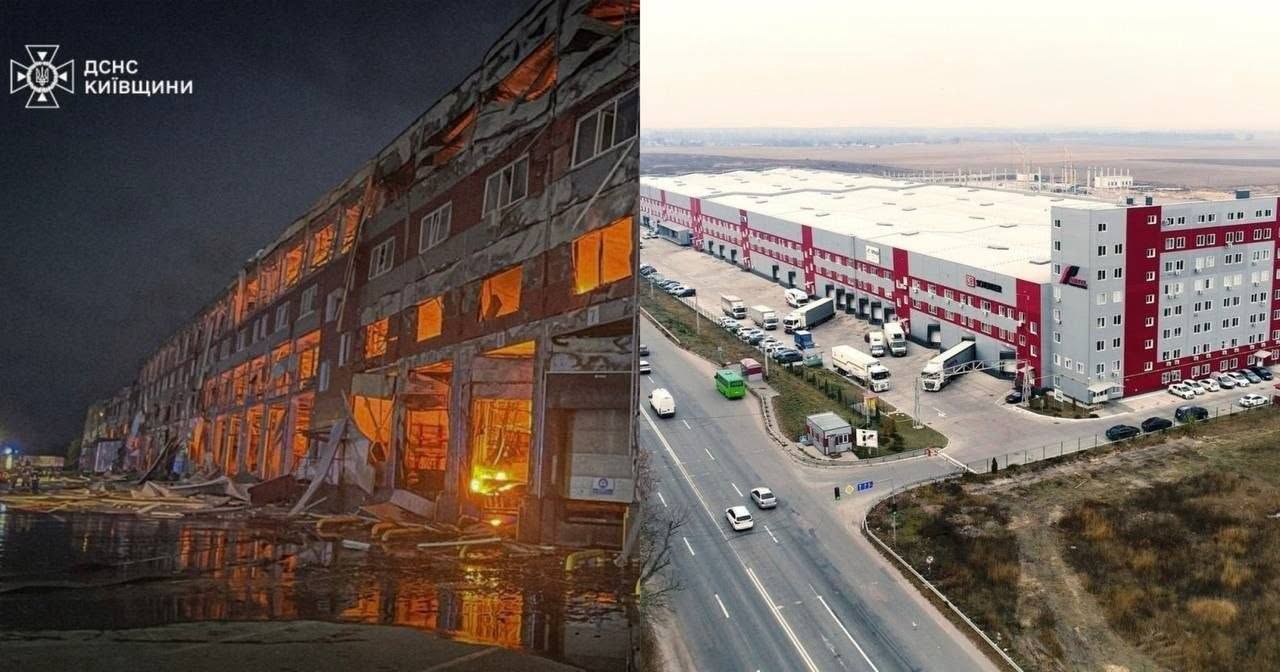
A devastating strike has destroyed the Amtel warehouse complex located near Kyiv, eliminating approximately 100,000 square meters of storage and logistics infrastructure. The facility, which served as a critical hub for major international logistics operators and commercial enterprises, represents one of the most significant losses to Ukraine’s supply chain infrastructure in recent months. The attack underscores the continued vulnerability of civilian commercial facilities in the ongoing conflict zone.
Strategic Importance of the Amtel Complex
The Amtel warehouse complex had established itself as one of the premier logistics centers in the Kyiv metropolitan region, spanning an impressive 100,000 square meters of operational space. The facility housed numerous international logistics operators who relied on its strategic location near Ukraine’s capital to manage distribution networks across the country and facilitate cross-border trade with European partners. Companies operating from the complex included freight forwarding services, e-commerce fulfillment centers, and temperature-controlled storage facilities essential for food and pharmaceutical distribution.
Before the conflict escalated in 2022, Ukraine had been rapidly developing its logistics infrastructure to meet growing demands from international trade and the expanding e-commerce sector. The Kyiv region, in particular, had become a magnet for major logistics investments due to its central location, relatively developed transportation networks, and proximity to major consumer markets. The Amtel complex represented years of investment and development in creating modern, European-standard warehouse facilities that could compete with logistics hubs in neighboring Poland and other EU countries.
Impact on Supply Chain Operations
The destruction of such a large-scale facility will have cascading effects on supply chains throughout Ukraine. Logistics experts estimate that relocating operations of this magnitude could take months, if not years, and will require significant capital investment at a time when many businesses are already struggling with war-related disruptions. The loss affects not only the companies directly operating from the complex but also thousands of businesses that relied on these logistics services for their own operations, from retail chains to manufacturing enterprises dependent on just-in-time delivery systems.
International logistics companies operating in Ukraine have faced increasingly difficult decisions about maintaining their presence in the country since the conflict began. While many have shown remarkable resilience and commitment to supporting Ukraine’s economy, incidents like the Amtel destruction force painful reassessments of risk exposure and operational continuity. Insurance costs for commercial facilities in Ukraine have skyrocketed, and some international insurers have withdrawn coverage entirely for assets located in high-risk zones, further complicating business operations.
Broader Context of Infrastructure Targeting
The attack on the Amtel complex fits into a broader pattern of strikes targeting Ukraine’s civilian infrastructure, including energy facilities, transportation hubs, and commercial centers. According to various monitoring organizations, thousands of civilian infrastructure objects have been damaged or destroyed since February 2022, with economic losses running into hundreds of billions of dollars. The systematic targeting of logistics and storage facilities has been particularly impactful, as these sites form the backbone of both civilian supply chains and humanitarian aid distribution networks.
Ukrainian authorities and international partners have been working to develop more resilient and dispersed logistics networks that can better withstand such attacks. This includes creating smaller, more distributed warehouse facilities rather than concentrating operations in large complexes, as well as developing underground or hardened storage options for critical supplies. However, these adaptations require substantial investment and time to implement, leaving existing infrastructure vulnerable in the interim. The international community continues to provide support for Ukraine’s economic resilience, including assistance for rebuilding damaged commercial infrastructure and developing new logistics capabilities.
Expert Opinion: The destruction of major logistics hubs like the Amtel complex represents a strategic attempt to undermine Ukraine’s economic capacity and complicate Western supply routes for both commercial and humanitarian goods. Moving forward, we can expect Ukrainian authorities and international partners to accelerate investments in decentralized logistics networks and hardened infrastructure, though rebuilding the full capacity lost will require years of sustained effort and billions in investment once conditions permit.