


Russian forces have conducted an intensive and sustained attack on Ukrainian energy giant Naftogaz throughout the day, deploying various types of drones including jet-powered unmanned aerial vehicles. The assault has resulted in significant destruction of critical energy infrastructure, forcing the company to halt operations at multiple facilities. This latest strike represents a continuation of Russia’s systematic campaign to cripple Ukraine’s energy sector as the conflict approaches its fourth year.
Scale and Nature of the Attack
The attack on Naftogaz assets involved multiple waves of drone strikes using different types of unmanned aerial vehicles. According to reports, Russian forces employed jet-powered drones, which are known for their higher speed and payload capacity compared to conventional propeller-driven variants. These sophisticated weapons systems have become increasingly prevalent in Russian attacks on Ukrainian infrastructure, demonstrating Moscow’s continued investment in drone warfare technology. The sustained nature of the assault, lasting throughout the entire day, suggests a coordinated effort to maximize damage to Ukraine’s largest national oil and gas company.
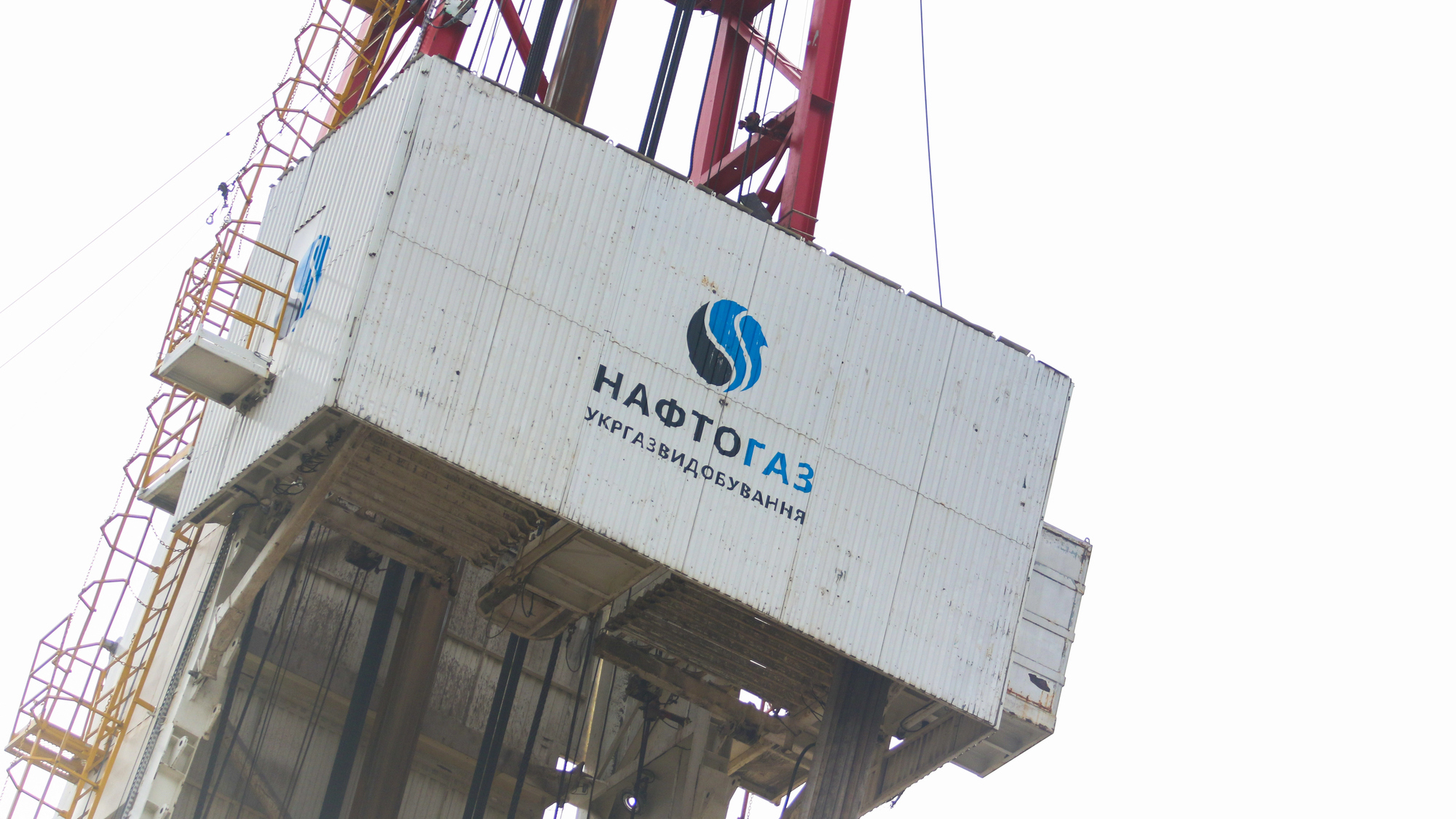
Naftogaz, which serves as the backbone of Ukraine’s energy sector, manages the country’s natural gas extraction, processing, and distribution network. The company also operates the strategic gas transit system that historically transported Russian gas to European markets. The significant destruction reported at company facilities raises serious concerns about Ukraine’s energy security, particularly as the country prepares for the winter heating season when demand for natural gas peaks dramatically.
Strategic Implications for Ukraine’s Energy Sector
The targeting of Naftogaz represents a calculated strategy by Russian military planners to undermine Ukraine’s economic resilience and civilian morale. Since the beginning of the full-scale invasion in February 2022, Russia has repeatedly attacked Ukraine’s energy infrastructure, causing widespread blackouts and heating disruptions that have affected millions of civilians. Energy experts estimate that Ukraine has lost approximately 50% of its power generation capacity due to Russian strikes, forcing the government to implement rolling blackouts and energy rationing measures.
The halt in operations at Naftogaz facilities could have cascading effects throughout Ukraine’s economy. The company not only supplies natural gas for domestic heating and industrial use but also generates significant revenue through transit fees for gas flowing to European countries. Although European dependence on Russian gas has decreased substantially since 2022, the transit infrastructure remains an important strategic and economic asset for Ukraine. International energy analysts have warned that continued attacks on such facilities could lead to long-term damage that may take years and billions of dollars to repair.
International Response and Humanitarian Concerns
The international community has consistently condemned Russian attacks on civilian infrastructure as potential war crimes under international humanitarian law. The Geneva Conventions and their Additional Protocols prohibit attacks on objects indispensable to the survival of the civilian population, which many legal experts argue includes energy infrastructure during winter months. Human rights organizations have documented thousands of civilian casualties resulting from infrastructure attacks, with vulnerable populations including the elderly, children, and those with medical conditions being disproportionately affected.
Ukraine has repeatedly called for additional air defense systems from Western allies to protect critical infrastructure from drone and missile attacks. While partners including the United States, Germany, and other NATO members have provided various air defense platforms, Ukrainian officials maintain that current capabilities remain insufficient to counter the volume and variety of Russian aerial threats. The use of relatively inexpensive drones to attack high-value targets represents an asymmetric warfare approach that strains Ukraine’s defensive resources and forces difficult allocation decisions.
Expert Opinion: The systematic targeting of Naftogaz infrastructure indicates Russia’s strategic pivot toward economic warfare as military gains remain limited on the battlefield. This approach aims to exhaust Ukraine’s resources and test Western resolve by creating humanitarian crises that could pressure Kyiv toward negotiations on unfavorable terms. The coming winter months will likely see an intensification of such attacks, making enhanced air defense capabilities and rapid infrastructure repair mechanisms critical priorities for Ukraine and its international partners.