




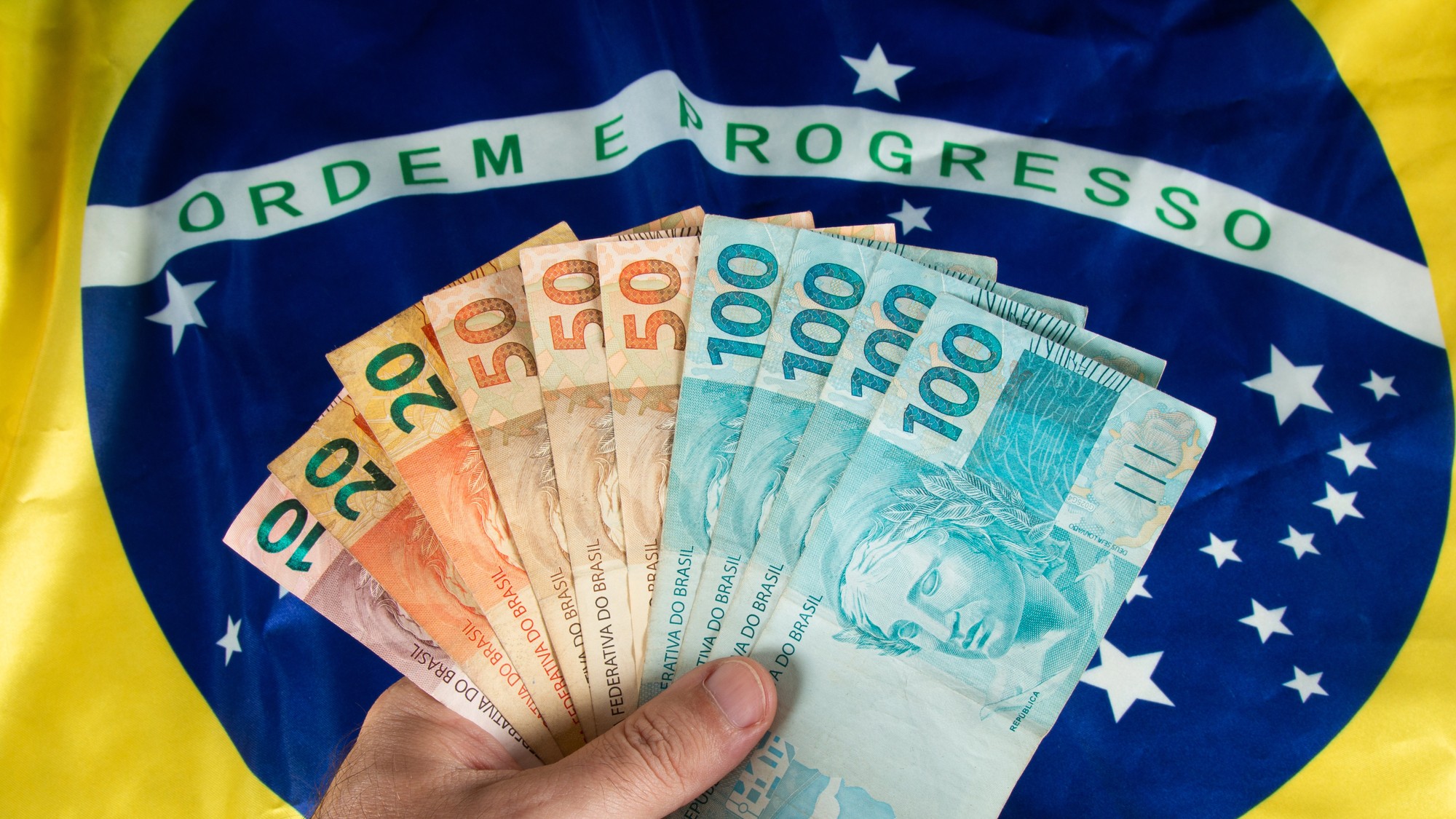
Brazil has implemented sweeping new regulations targeting its rapidly expanding online gambling industry, introducing restrictions that prevent recipients of social assistance programs from placing bets on licensed platforms. This groundbreaking policy move represents one of the most aggressive approaches any country has taken to protect vulnerable populations from the potential harms of gambling addiction, while simultaneously conducting a massive purge of illegal operators from the market.
The South American nation has already blocked approximately 54,000 unlicensed betting websites as part of this comprehensive regulatory overhaul. The crackdown signals a dramatic shift in Brazil’s approach to gambling oversight, moving from a relatively permissive environment to one of strict governmental control. Officials have emphasized that protecting low-income families who depend on government support programs is a central priority of the new framework.
Protecting Vulnerable Populations from Gambling Harm
The decision to restrict betting access for social welfare beneficiaries stems from growing concerns about the impact of gambling on Brazil’s most economically vulnerable citizens. The country’s flagship social program, Bolsa Família, provides monthly cash transfers to approximately 21 million families living in poverty. Government data had revealed alarming trends showing that significant portions of these welfare payments were being diverted to online betting platforms, undermining the program’s core mission of ensuring basic needs are met.
Research conducted by Brazilian financial authorities found that billions of reais from social assistance accounts were flowing into gambling platforms each month. This discovery prompted urgent action from policymakers who recognized that without intervention, the expansion of legal gambling could exacerbate poverty rather than generate the tax revenues officials had hoped for. The new restrictions require betting platforms to verify users against social welfare databases and block transactions from registered beneficiaries.
The Rapid Rise and Regulation of Brazilian Gambling
Brazil’s gambling landscape has transformed dramatically in recent years. Until 2018, most forms of gambling were prohibited under laws dating back to 1946, with exceptions only for state-run lotteries and horse racing. The legalization of sports betting in 2018 opened the floodgates, and the market experienced explosive growth, particularly during and after the COVID-19 pandemic when online entertainment consumption surged. Industry estimates suggest the Brazilian online betting market now generates revenues exceeding 100 billion reais annually, making it one of the largest in the world.
However, this rapid expansion occurred largely in a regulatory vacuum. Hundreds of international operators rushed to serve Brazilian customers without proper licensing or oversight. The blocking of 54,000 websites represents the government’s effort to establish order in this chaotic marketplace. Only operators that successfully complete Brazil’s new licensing process will be permitted to continue serving customers. The National Telecommunications Agency has been working around the clock to identify and block non-compliant platforms, using sophisticated technology to stay ahead of operators who attempt to circumvent restrictions.
International Context and Future Implications
Brazil’s approach places it at the forefront of a global conversation about gambling regulation and social responsibility. While many countries have implemented self-exclusion programs and responsible gambling measures, the direct linking of gambling restrictions to social welfare status represents an innovative policy tool. Some international observers have praised the measure as a model for protecting vulnerable populations, while others have raised concerns about potential privacy implications and the paternalistic nature of restricting legal activities based on income status.
Looking ahead, Brazilian authorities have indicated that the current measures are just the beginning of a comprehensive regulatory framework. Plans include mandatory spending limits for all users, required cooling-off periods between bets, and aggressive advertising restrictions particularly during sports broadcasts. The government expects to generate significant tax revenue from the regulated market while minimizing social harms. Industry analysts suggest that once the regulatory dust settles, Brazil could become one of the world’s most lucrative yet strictly controlled gambling markets, potentially serving as a template for other developing nations grappling with similar challenges.
Expert Opinion: Brazil’s decision to link gambling restrictions directly to social welfare databases represents a paradigm shift in regulatory thinking that other nations will closely monitor. While the policy raises complex questions about individual autonomy versus state protection, the underlying data showing welfare funds flowing to betting platforms made action politically inevitable. The coming months will reveal whether this approach effectively reduces gambling harm among vulnerable populations or simply pushes them toward remaining black-market operators.